REVIEW · SEOUL
Seoul: Soju Tasting at Distillery
Book on GetYourGuide →Operated by environment design lab · Bookable on GetYourGuide
Soju can be a party drink, or it can be a craft. This tasting at Samhae Soju turns it into a small lesson in alcohol, culture, and process, right in the Hongdae area with expert-led samples. You’ll taste legendary 3 pig soju while learning why Korean spirits aren’t just the green-bottle stereotype.
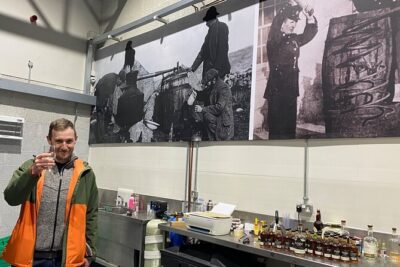
I especially like that Sam (your English-speaking rice wine expert) keeps it practical: you get at least 7 samples and you also hear how different styles fit together. The other big win for me is the human angle—Sam connects the tasting to Joseon-era nobility and to today’s master, Hyeonjong Kim, who trained for 10+ years under master Taeksang Kim. One consideration: the premium soju you’ll taste is often 45–50%, so if strong liquors like tequila or whisky are not your thing, you may want a lighter-alcohol option instead.
In This Review
- Key things to know before you go
- Seoul soju tasting in the middle of Hongdae
- Where to meet Sam: parking lot instructions near Hongik University
- What you’ll taste: Takju, Cheongju, and soju at 45–50%
- The Joseon-era Samhae soju story (and the recipe line)
- Sam’s English-led pacing: fun, questions, and making-of moments
- Managing the strength: how to drink smart in 80 minutes
- Price and value: what $47 buys you in Hongdae
- Who should book this Seoul soju tasting?
- Should you book Samhae Soju at Hongdae?
- FAQ
- How long is the Soju tasting at Samhae Soju?
- Where do I meet for the tasting near Hongdae?
- What if I’m late?
- What languages are offered?
- What alcohol will I try?
- How strong is the premium soju?
- Who can join the tasting?
- Is the experience accessible?
Key things to know before you go
- Hongdae location, small-group pace: limited to 10 participants, and it runs about 80 minutes.
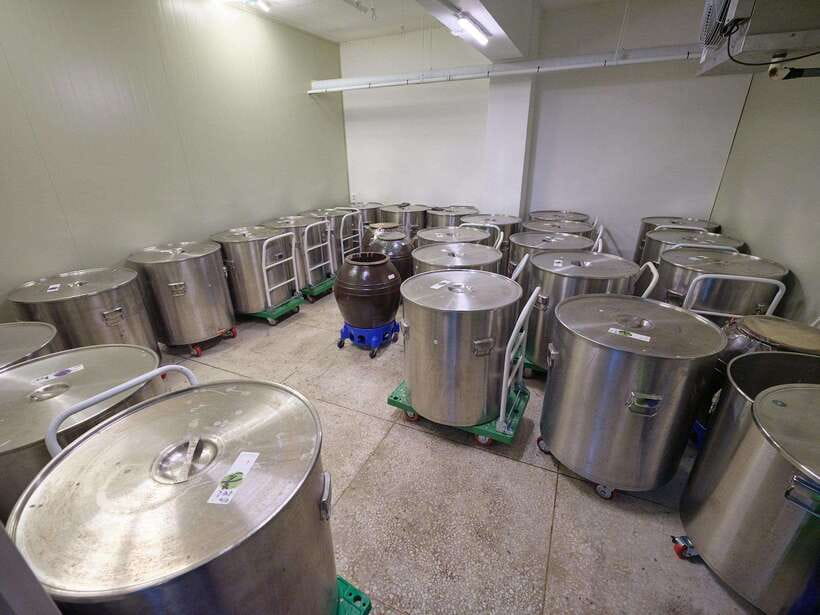
- Real distillery tasting, not just bottle-sipping: you’ll taste multiple Korean alcohol categories.
- 7+ total pours with a spirits-heavy focus, and variety can shift based on availability.
- Joseon-era lineage: the tasting ties Samhae soju to noble-class Joseon (1392–1894).
- English guide Sam: easy to follow explanations, plus he’s friendly and engaging.
- Strong soju strength (45–50%): plan your pace if you’re sensitive to higher-proof liquor.
Seoul soju tasting in the middle of Hongdae
This experience works because it fits real Seoul life. You’re not getting whisked away to a themed showroom at the edge of town—you’re meeting near Hongik University, then tasting in a setting that feels connected to the city. That matters because Korean alcohol culture is part of everyday dining, so learning it where people actually go out helps it click.
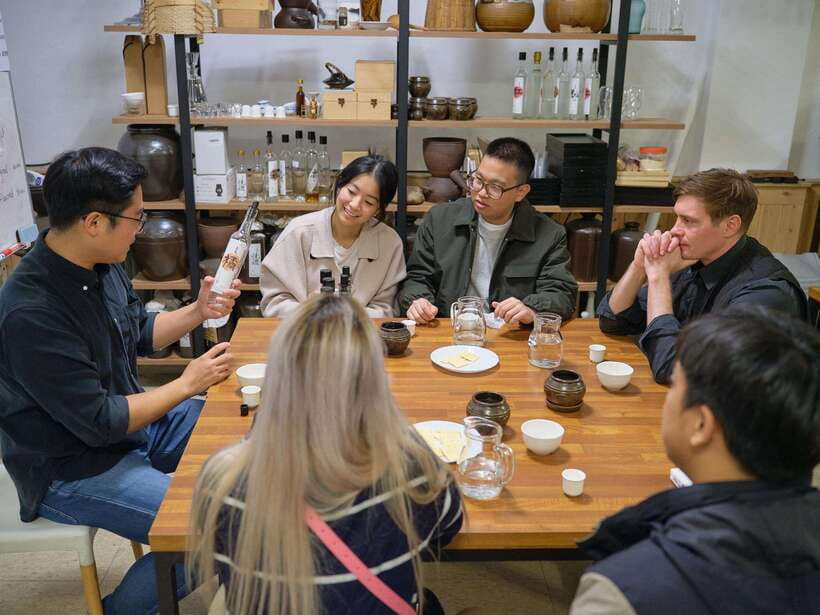
The group size stays tight (up to 10), which changes the vibe. You can ask questions, you don’t lose track of what you’re tasting, and the tasting stays conversational instead of rushed. The whole session runs 80 minutes, long enough to learn the basics and taste your way through the styles, but short enough that you can still enjoy the rest of your evening in Hongdae.
One more practical detail I like: it’s run by an instructor who speaks English. If you’ve ever tried to decode Korean alcohol menus without context, you know how frustrating that can be. Here, you get structure—what you’re drinking, how it’s made, and why different types taste the way they do.
You can also read our reviews of more tours and experiences in Seoul.
Where to meet Sam: parking lot instructions near Hongik University
Logistics are easy if you follow the meeting-point details closely. The start is back at the meeting location after your tasting ends, so you’re not stuck figuring out a new pickup later.
You’ll meet at the parking lot next to Dog&Cat Food House. Two tips make this smoother:
- Don’t sit in front of the store entrance; the staff has been getting upset about blocked access.
- Don’t search Dog&Cat Food House inside a map app. Use the provided map links (or search the name Samhaesoju in Naver/Google Maps).
If you need the address for taxi navigation, it’s:
109 world cup buk-ro, mapo-gu (서울특별시 마포구 월드컵북로 109)
Getting there is straightforward from Hongik University Station:
- About 1.3 km (1 mile) walk from Hongik University Station Exit 1, or
- Around a 5-minute bus ride
Timing matters. You can’t join if you’re late more than 20 minutes, and you should arrive at the meeting spot at least 5 minutes early. That sounds strict, but it’s normal for small-group tastings where the schedule is tied to serving and explanation.
What you’ll taste: Takju, Cheongju, and soju at 45–50%
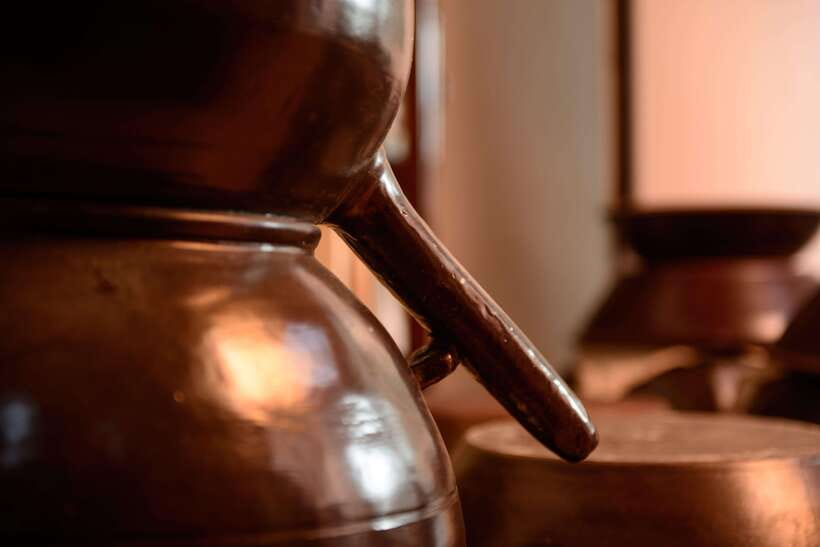
Let’s talk about the drink lineup, because this tasting isn’t only about one bottle. You’ll sample Korean alcohol categories to understand the differences, then you’ll focus heavily on soju.
Here’s the useful framework you’ll hear during the session:
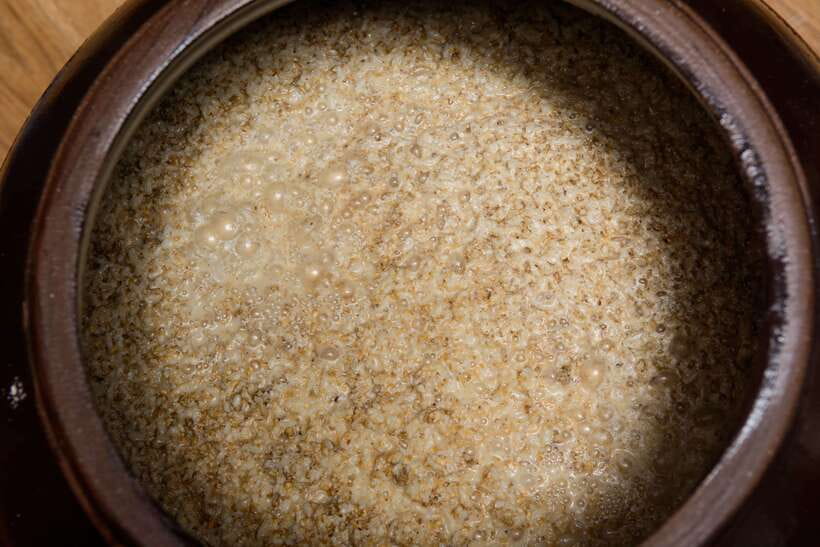
- Tak-ju: unfiltered rice wine (often described like Makgeolli style)
- Cheong-ju: filtered rice wine
- So-ju: distilled spirit
The tasting includes unfiltered and/or filtered rice wine depending on what’s available, plus samples of distilled rice spirit (soju). What you can count on is the total number: at least 7 samples, with a spirits-heavy focus. Variety can change, but the overall structure stays the same—learn the categories, then taste the spirits.
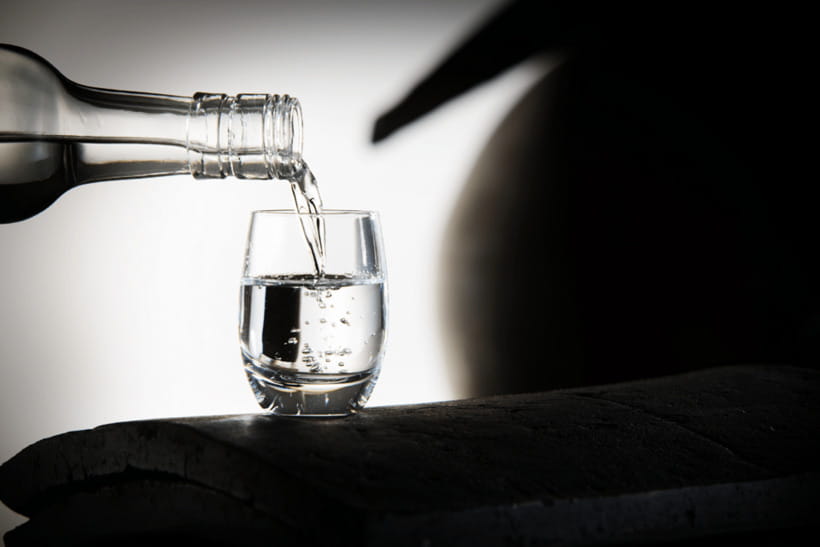
The premium soju you’ll try is described as having a strength between 45–50%. This is why your first sip may feel different than what most people expect from the popular idea of soju as something mild or sweet. Think of it more like a higher-proof rice spirit than a casual mixer.
And yes, there’s a standout focus: the tasting features a legendary 3 pig soju. Even if you don’t remember every detail of the story, tasting a specific named product helps you anchor the learning. It turns the experience from generic alcohol education into something you can actually recall.
The Joseon-era Samhae soju story (and the recipe line)
A big reason this tasting feels worth it is that it doesn’t treat soju like a novelty. The session connects Samhae soju to Joseon dynasty tradition, where it was beloved among the noble class during 1392–1894. That’s not just trivia. Hearing it in context helps you understand why people still talk about certain spirits like they have a lineage, not just a flavor profile.
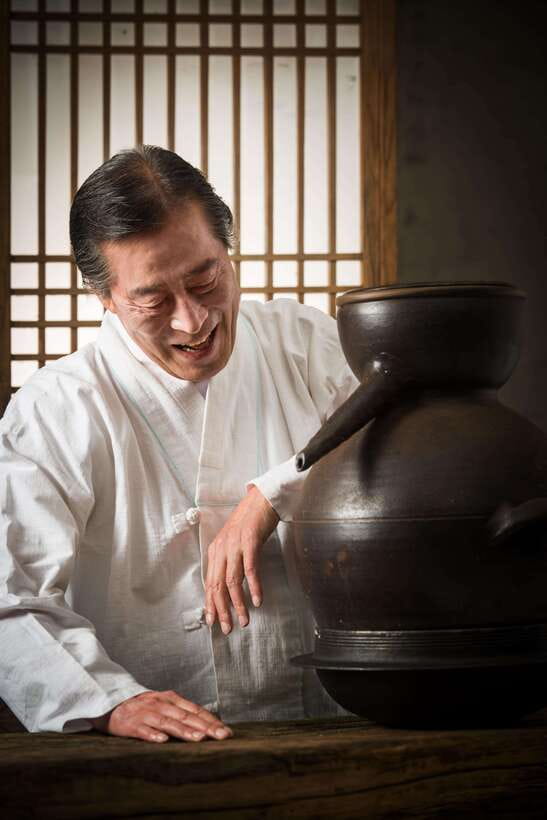
You’ll also get the lineage of skill behind the current practice. The master mentioned for the tasting is Hyeonjong Kim, who reportedly trained and practiced for 10+ years under master Taeksang Kim, who inherited and kept the recipe in the family. That’s an unusually specific claim, so it’s presented as part of the reason this tasting matters: you’re not only drinking now—you’re tasting through a preserved method.
The practical value of this kind of history is that it helps you taste with a purpose. When you know a spirit comes from a particular tradition and has been maintained by a named master, you pay closer attention to aroma, warmth, and finish. You start noticing how each sample fits into the bigger system—unfiltered vs filtered rice wine, then distilled soju strength and character.
Sam’s English-led pacing: fun, questions, and making-of moments
The host, Sam, is the heart of the experience. He’s described as an English-speaking rice wine expert, and the tone comes through in the way the tasting is taught: clear explanations, a friendly back-and-forth, and a sense of humor that keeps it from turning into a lecture.
One of the strongest compliments tied to this experience is how informative Sam is about both history and the making process. You’ll hear about stages of production, and that matters even if you’re not trying to become a home brewer. When you understand the basics—what filtration changes, why rice wine behaves differently than distilled spirit—you taste more accurately.
You’ll also get a group that tends to be international. That’s helpful because you’re more likely to get your questions answered in simple, direct English, not lost in industry jargon. And in at least some cases, Sam also helps with what to do next after the tasting, including restaurant recommendations and help booking. That’s a small thing, but it turns a one-hour-and-some-change activity into something that supports your whole evening in Seoul.
Managing the strength: how to drink smart in 80 minutes
Since the premium soju in this tasting is often 45–50%, your strategy matters more here than in low-proof tastings. I’d treat it like a careful tasting session, not a casual down-the-line drinking event.
A few practical points to keep it comfortable:
- Expect that the spirits are the main focus, so the stronger pours come along with explanations.
- Pace yourself. If you normally avoid high-proof liquors, let Sam know and consider slowing down rather than pushing through.
- Pair the experience with smart timing. This is best done early enough that you can still enjoy the rest of your night without feeling rushed.
If you generally don’t enjoy strong liquor like tequila or whisky, the experience itself suggests you may be happier with a lighter-alcohol tasting focused on Makgeolli. That’s not a flaw—it’s actually good advice because it respects your taste preferences.
Also note the suitability limits: it’s not suitable for pregnant women, and it’s not suitable for children under 18. If you’re traveling with mixed-age groups, plan accordingly.
Price and value: what $47 buys you in Hongdae
At $47 per person, this isn’t the cheapest thing you can do in Seoul. But it also isn’t just a small pour or a casual “try a little” deal.
Here’s why the value can still make sense:
- You get 80 minutes with an English instructor.
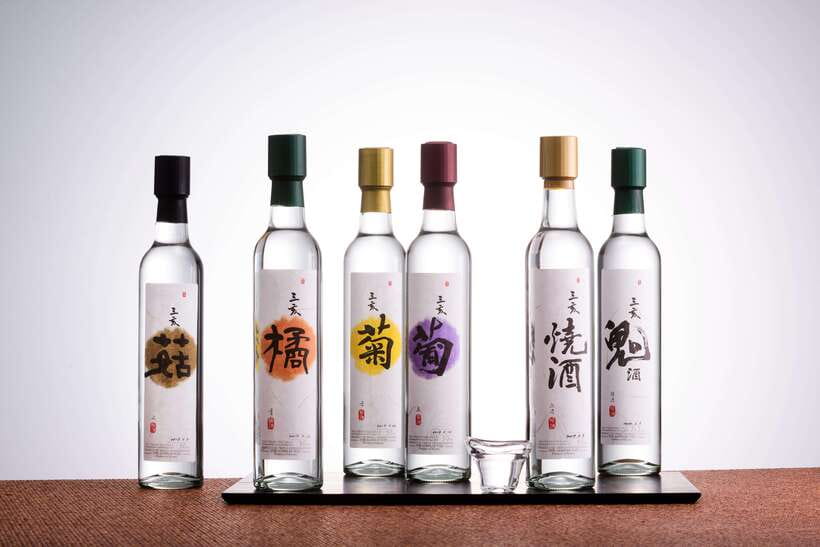
- You receive at least 7 samples, and the selection mainly includes spirits (so you’re not paying for mostly filler).
- You’re tasting a specific product line (Samhae soju) tied to a named master and described Joseon-era roots.
- The experience is timed and structured, which usually costs more than just self-guided sampling.
If you love food and drink culture, especially when it comes with real context, you’ll likely feel you got your money’s worth. If you only want a quick sip with zero interest in process or alcohol styles, you might find the cost harder to justify.
Who should book this Seoul soju tasting?
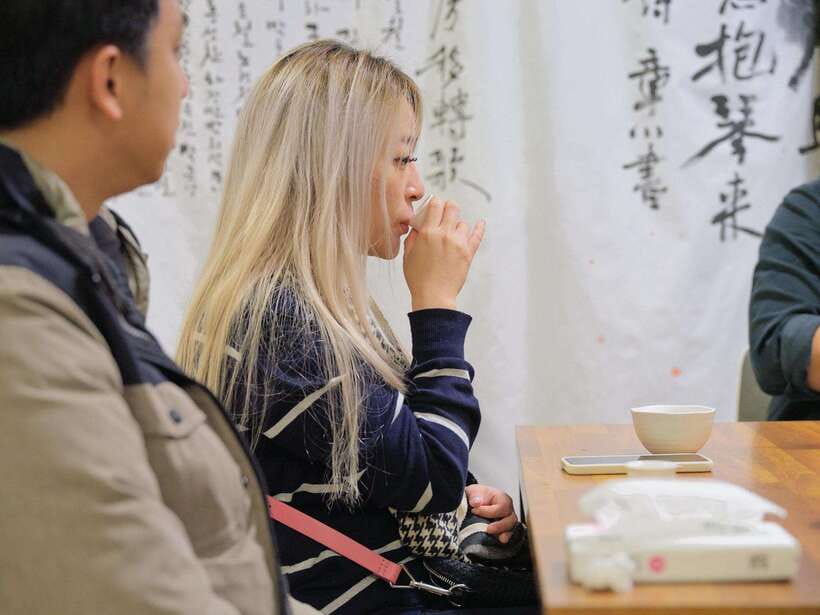
This is a great fit if you:
- Want an English-led, small-group cultural experience in Hongdae.
- Enjoy learning how drinks are made, not only what they taste like.
- Like stronger alcohol flavors or at least want to understand them firsthand.
- Prefer guided sampling with structure—unfiltered and filtered rice wine concepts plus distilled soju.
It’s a weaker match if you:
- Don’t tolerate or don’t enjoy high-proof liquor (the tasting focuses on 45–50% premium soju).
- Are hoping for a child-friendly activity (it’s not suitable under 18).
- Need a very casual, zero-explanation evening.
One good thing: the session includes both categories of rice wine and soju styles, so you’re not locked into a single taste. Even if one sample hits harder than expected, you’re still learning through variety.
Should you book Samhae Soju at Hongdae?
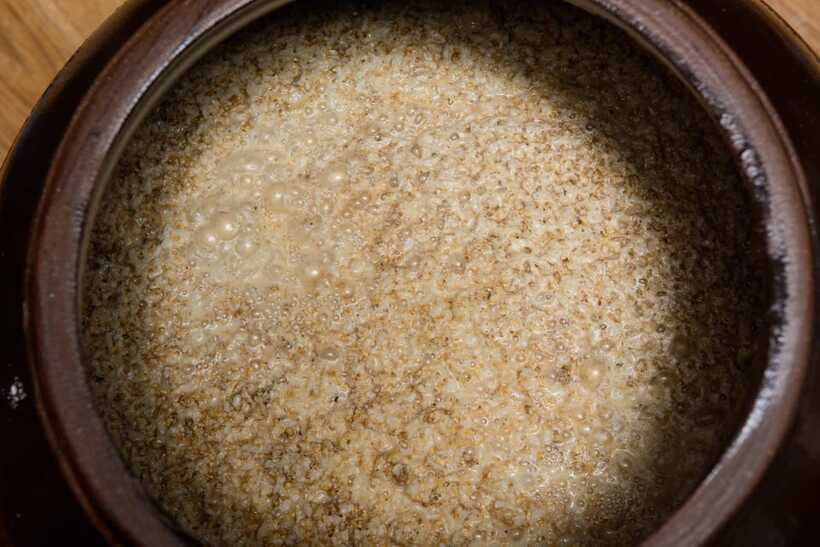
Book it if you want more than drinking. You want the why behind the sip—unfiltered vs filtered rice wine, how distillation changes the character, and a story tied to Joseon-era tradition and named craft expertise. The small group, English teaching, and at least 7 samples make it a solid use of an evening in Seoul.
Skip it (or switch to a Makgeolli-focused tasting) if strong liquor is usually a problem for you. The tasting’s strength is not subtle, and you’ll enjoy it more when you can actually taste and compare instead of just surviving the proof.
If you’re the type who likes to learn one specific topic deeply during a trip—one drink, one tradition, one set of flavors—this is the kind of experience that gives you a memorable story you’ll actually carry back home.
FAQ
How long is the Soju tasting at Samhae Soju?
The tasting lasts about 80 minutes.
Where do I meet for the tasting near Hongdae?
You meet at the parking lot next to a store named Dog&Cat Food House. The address given is 109 world cup buk-ro, mapo-gu, and the start/end is back at the meeting point. Use the provided map links or search Samhaesoju on Naver/Google Maps.
What if I’m late?
You can be late for a maximum of 20 minutes. You should arrive at least 5 minutes before the scheduled time.
What languages are offered?
The instructor provides the experience in English.
What alcohol will I try?
You’ll taste unfiltered rice wine (Takju) and/or filtered rice wine (Cheongju) depending on availability, plus distilled rice spirit (soju). You’ll receive at least 7 total samples, mainly spirits.
How strong is the premium soju?
The premium soju strength is listed as between 45% and 50%.
Who can join the tasting?
It is not suitable for pregnant women and not suitable for children under 18.
Is the experience accessible?
Yes, it is wheelchair accessible.