REVIEW · INVERNESS
North Whisky Tour: To Highland Malt Whisky Trail +Dunrobin Castle
Book on Viator →Operated by Highland Guided Tours · Bookable on Viator
Whisky plus castles is a winning combo, and this North Whisky Tour links five Highland Malt Whisky Trail stops with private vehicle comfort and guided distillery time. I like that it’s built as a full day (about 7 to 8 hours) without you having to juggle directions, parking, and timing.
I also love the contrast: Dunrobin Castle and Gardens gives you top-tier sights beyond whisky, including a live Falcon show twice a day. The one watch-out is that you’ll want to budget for castle admission (£12–£15) and any paid whisky tours and tastings, since those aren’t listed as included.
In This Review
- Key highlights worth planning around
- A North Whisky Tour That Feels Built, Not Crammed
- Clynelish Distillery: Where the Johnnie Walker Link Gets Real
- Dunrobin Castle and Gardens: Sutherland Stately Home Meets Bird Power
- Dornoch: A Short Old-Town Reset Before the Next Distillery
- Balblair Distillery: The Stops That Explain the Stops
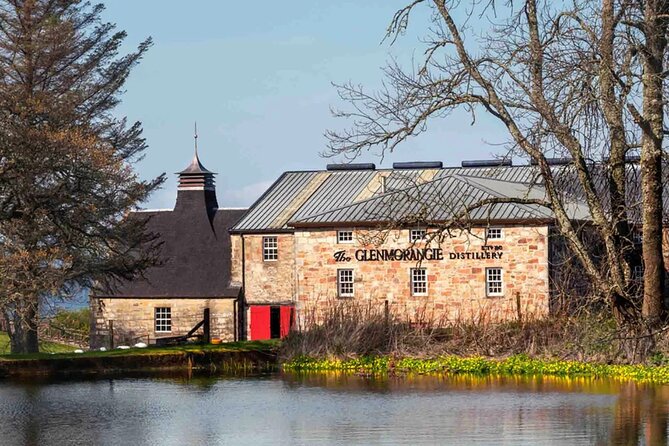
- Glenmorangie Distillery: Big Output, Real-World Origins
- Price and Value: What You’re Paying For in the Real World
- Who This Tour Fits Best (and Who Might Want Something Else)
- Should You Book the North Whisky Tour + Dunrobin Castle?
- FAQ
- FAQ
- What time does the tour start?
- Is pickup available?
- How long does the North Whisky Tour take?
- What’s included in the price?
- What costs extra?
- Is this tour private?
- What language is the tour in, and what if plans change?
Key highlights worth planning around
- Clynelish’s connection to Johnnie Walker: about 95% of its spirit goes into Johnnie Walker, often Gold Label Reserve.
- Dunrobin Castle + Gardens: museum collections plus a Falcon show twice daily.
- Dornoch Cathedral built in 1224: quick old-town break with stained glass nearby.
- Balblair’s WWII detour: the buildings were commandeered and later used by the Norwegian Army.
- Glenmorangie by the Dornoch Firth: tasting time in a famous setting, with production at roughly 10 million bottles per year.
A North Whisky Tour That Feels Built, Not Crammed
This tour is one of those Scotland days that works because the rhythm makes sense. You get a private comfortable vehicle, snacks and water, and a local guide to keep things moving from stop to stop. Starting at 9:00 am and returning to the meeting point means you’re not piecing together separate tickets and transfers.
The best part is the lineup: Clynelish, Dunrobin Castle, Dornoch, Balblair, and Glenmorangie. Together they give you whisky variety (different distillery styles) and a proper cultural anchor (Dunrobin). It’s also structured for small groups—this is a private tour for up to 4 people, so it tends to feel less like a herd and more like a road trip with a plan.
One practical note: it’s a long day. Even when stops are only an hour or ninety minutes, you’ll still be doing driving time, restroom breaks, and entry lines if they’re busy. That’s the trade for covering a lot of ground north of Inverness.
You can also read our reviews of more tours and experiences in Inverness.

Clynelish Distillery: Where the Johnnie Walker Link Gets Real
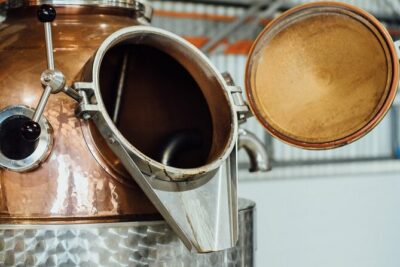
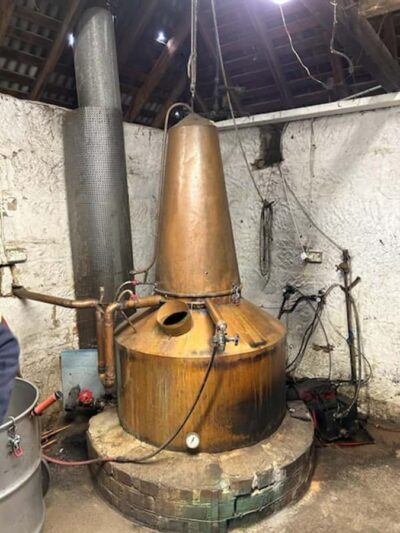
Clynelish is the first stop, and it’s a strong start. The original Clynelish distillery dates to 1819, and the present distillery was built later, in 1967, adjacent to the original site. Early production numbers are impressive on paper: around 54,000 litres per year when distilling began in 1820 to 1822.
What makes Clynelish extra interesting for whisky people is the brand connection. Clynelish has a long tie to Johnnie Walker blended whisky, with about 95% of the spirit used in Johnnie Walker—most commonly Gold Label Reserve.
In practical terms, that means your tasting (if you choose a tasting option during the stop) isn’t just about learning the distillery. It’s also a chance to understand how a single malt source can shape a major blended whisky’s profile. Even if you’re new to Scotch, this connection is an easy way to make the day feel meaningful instead of just collecting tastings.
Timing here is about 1 hour 30 minutes, with an admission ticket noted as free in the stop details. The catch is that whisky tours and tastings aren’t listed as included in the overall package cost, so you may need to pay on site for tasting add-ons. Still, the stop is set up to give you a proper distillery experience rather than a quick photo stop.
Best for: whisky fans who like knowing how individual distilleries influence big-name bottles.
Possible drawback: if you’re expecting the castle-style entry ticket to be covered too, remember tasting fees are separate.
Dunrobin Castle and Gardens: Sutherland Stately Home Meets Bird Power
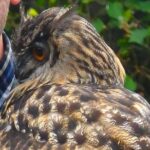
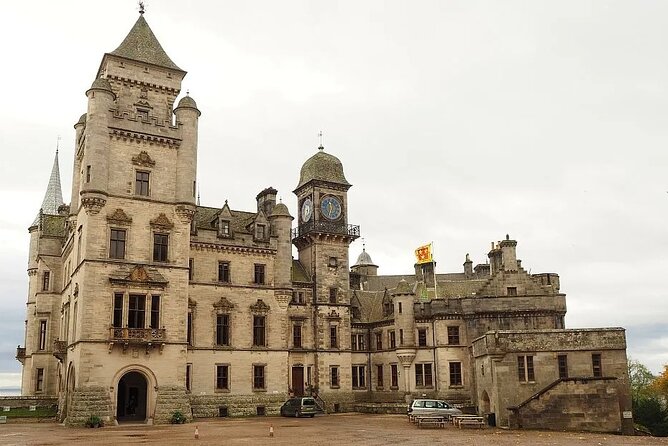
Dunrobin Castle is the tour’s culture anchor, and it’s a real one. This stately home is in Sutherland and serves as the family seat of the Earl of Sutherland, who is also the Chief of Clan Sutherland. The interior décor is described as outstanding, which matters because Dunrobin isn’t only about views from the outside.
Inside, the museum portion is a big part of why the stop works. You’ll see a collection of trophy heads, ethnographic items from around the world, and archaeological artefacts. The museum keeps a Victorian-Edwardian arrangement and sits in an adjoining 18th-century summerhouse next to the formal gardens.
Then there’s the gardens and the live entertainment. The garden hosts a Falcon show twice a day. Depending on the exact time you arrive, you might catch one of those showings. If you do, it’s an easy win that makes the stop feel like a full experience rather than just an indoor museum browse.
This stop is about 1 hour 30 minutes, and castle admission is not included (listed as £12–£15). So you’ll want to plan for that extra cost when budgeting.
One more practical detail: the tour includes a private vehicle and a guide, which helps with the flow of entries and timing. In a small-group setup, it’s easier to adjust if someone needs a slower route to avoid longer lines.
Best for: anyone who wants more than whisky—castle interiors, museum time, and gardens with live falcons.
Possible drawback: if you’re trying to minimize extra spending, the castle ticket is the biggest add-on of the day besides tastings.
Dornoch: A Short Old-Town Reset Before the Next Distillery
Dornoch is your lunch and reset stop, and it’s timed well. You get about 1 hour in the old town. The idea is simple: eat something traditional British, then squeeze in one nearby sight before heading back out.
The big landmark here is Dornoch Cathedral, built in 1224. Stained glass is called out as amazing, and the cathedral is right across the road from where you’re likely to stop. That proximity matters because with only an hour, you can’t afford to spend half your time crossing town.
Lunch itself is not included, so you’re making the decision on the go. That can be good. You can pick what feels right to you in that moment instead of being locked into a set menu somewhere.
Best for: travelers who like a quick, local-food break and a classic medieval stop without turning the day into a long walking tour.
Possible drawback: one hour goes fast. If you want a longer cathedral visit and a slower lunch, you might feel slightly rushed.
Balblair Distillery: The Stops That Explain the Stops
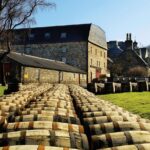
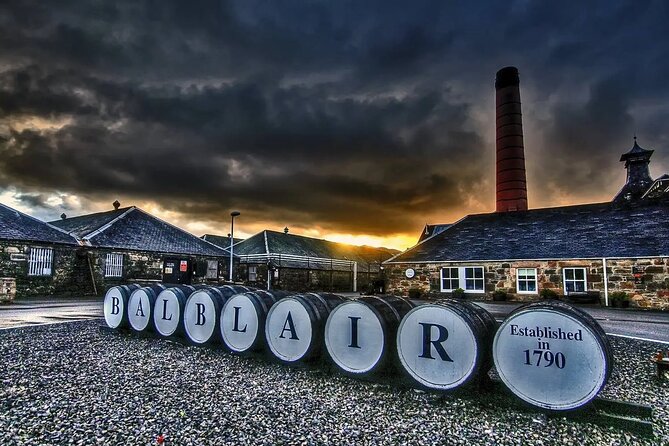
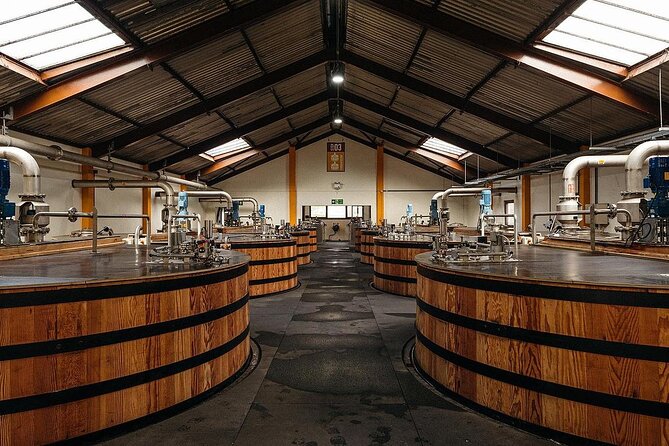
Balblair is the kind of distillery stop that earns its place on the route. It originally opened in 1790 and is described as a tourist favourite from the Victorian era. For whisky history lovers, the interruptions matter almost as much as the craftsmanship.
Here’s what stands out: the last batch of whisky was made in 1911, and that stock would last until 1932. Then the distillery closed again in 1939. During World War II, the buildings were commandeered by the British Army, and the next occupants were the Norwegian Army, with reopening delayed until 1948.
That wartime detour turns into an on-site story you can connect back to when you taste. Whisky isn’t only made by recipe and climate—it’s also made by who had access to the buildings and why production paused.
The stop includes exploration time: you can explore the buildings, meet the makers, learn how they craft their malts, and enjoy a taste or two. The stop duration is about 1 hour, and admission is listed as free in the stop details. Like the other distilleries, whisky tours and tastings are not included in the overall package, so plan to pay for anything beyond what’s covered.
Best for: people who like distillery storytelling tied to real-world events, not just branding.
Possible drawback: with only an hour, you’ll need to be ready to make decisions quickly if more than one tasting option is offered.



Glenmorangie Distillery: Big Output, Real-World Origins
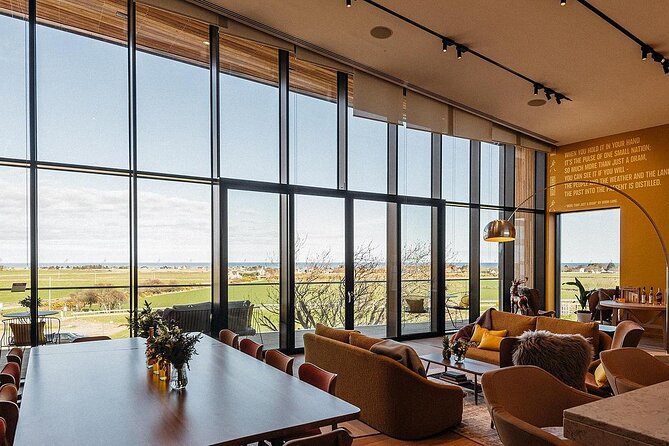
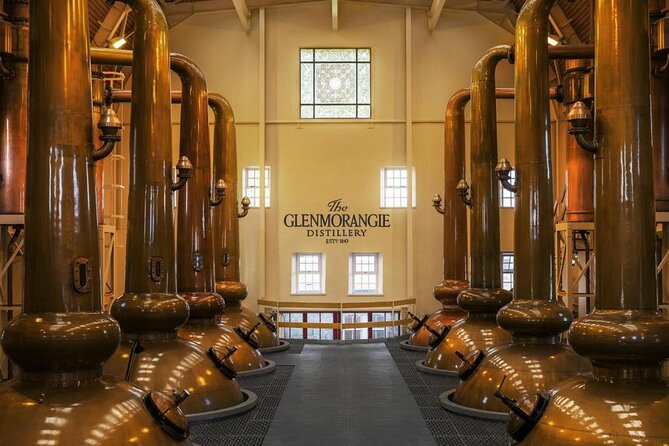
Glenmorangie closes the whisky side of the day, and it brings a different kind of weight. The earliest record of alcohol production at Morangie Farm is dated to 1703, so you’re dealing with a site that goes way beyond modern bottling.
The tour info also calls out the difficult period between 1920 and 1950, when whisky sales took a hit (prohibition and then the great depression in the United States are named). Glenmorangie was effectively mothballed between 1931 and 1936, then returned to production.
Today, Glenmorangie is one of the most known whiskies worldwide and produces around 10 million bottles per year. That production scale can feel almost abstract until you see the place and get your bearings on how the brand grew from earlier farm-era beginnings.
The stop includes a tasting opportunity at a location described as sitting on the Dornoch firth. The tasting fee is not listed as included, so treat this as a chance to taste with add-on pricing unless the final details say otherwise at the time of booking.
This stop is about 1 hour, and like the day’s earlier parts, it’s paced so you’re not stuck in lines for hours. The private vehicle helps here too—you can get back on the road without losing the thread of the schedule.
Best for: anyone who wants a mix of historical context and a taste of a globally recognized whisky before the day ends.
Possible drawback: if you’re sensitive to alcohol during the drive back, keep it light and rely on the included snacks and water.
Price and Value: What You’re Paying For in the Real World
At $554.77 per group (up to 4 people), the math can look different depending on how many of you are going. With 4 people, the cost can work out to roughly $140 per person before add-ons. With 2 people, it’s closer to $277 per person. Either way, the value depends on whether you’ll use the benefits of a private guide and private vehicle, plus the paid add-ons you choose at the distilleries and castle.
Here’s what you do get without extra charges:
- Local guide
- Private comfortable vehicle
- Snacks & water
And here’s what you’ll likely add:
- Castle admission (£12–£15)
- Whisky tours and tastings
- Lunch
That mix makes this tour best for travelers who want a guided day with fewer decisions. If you love planning and don’t mind public transport and self-driving, you could build a DIY route. But if you’d rather spend your energy on the stops instead of logistics, this package is built for that.
Also, booking timing matters. The tour is often booked about 106 days in advance, which suggests it’s popular. If you’re traveling in a busy season, waiting can cost you availability.
Money-saving tip: decide ahead of time which tasting(s) you want at each distillery so you’re not making choices under pressure once you’re inside.
Who This Tour Fits Best (and Who Might Want Something Else)
This is a great match if you want:
- A private small group setup (up to 4)
- A day that pairs whisky with a major heritage stop (Dunrobin Castle)
- A guide who can keep pacing smooth—one reason this tour stands out is that guides like Tony and Johnny are described as very good at handling details and making entry logistics easier, including dropping guests off closer when needed.
You might want a different style of tour if:
- You hate extra add-on fees and want everything included
- You’d rather spend half-days in fewer places instead of moving through five stops
- You want a super deep, long tasting program at one distillery. This itinerary focuses on coverage and variety, not a single distillery marathon.
Should You Book the North Whisky Tour + Dunrobin Castle?
I’d book it if you want a well-paced North of Inverness day where whisky doesn’t happen in isolation. You get famous names, strong distillery context (especially Clynelish’s link to Johnnie Walker), and a real castle stop that feels like a destination, not an afterthought.
If you’re the type who likes making decisions once (instead of planning five separate tickets and driving legs), the private vehicle and guide are the real value. Just budget for the castle ticket and tastings, and you’ll be set for a memorable day built around Scotland’s whisky and heritage.
FAQ
FAQ
What time does the tour start?
The tour starts at 9:00 am and ends back at the meeting point.
Is pickup available?
Yes, pickup is offered. You’ll be met at the meeting point with a board showing your name.
How long does the North Whisky Tour take?
It runs for about 7 to 8 hours.
What’s included in the price?
The tour includes snacks & water, a local guide, and a private comfortable vehicle.
What costs extra?
Castle admissions (£12–£15), whisky tours and tastings, and lunch are not included.
Is this tour private?
Yes. It’s a private tour/activity, and only your group participates.
What language is the tour in, and what if plans change?
The tour is offered in English and uses a mobile ticket. You can cancel for a full refund up to 24 hours before the experience starts.