REVIEW · CORK
Cork: Midleton Distillery Behind the Scenes Tour & Tasting
Book on GetYourGuide →Operated by Jameson Distillery Midleton · Bookable on GetYourGuide
Smell whiskey before you even taste it. This Midleton Distillery behind-the-scenes experience pairs a long, guided walk through the production process with a Premium tasting spread through the tour. I especially love the stop-by-stop format that explains what you’re seeing, and I like the way the tasting feels timed to the buildings you’ve just toured. One consideration: it is not a food tour, so you may want to plan a meal before or after.
You’ll get a live, English-speaking guide and a structured, about-2-hour visit that covers the micro side of production and the warehousing side too. You should also wear comfy shoes because it runs rain or shine, and there’s plenty of walking between buildings.
In This Review
- Key highlights you’ll actually care about
- What this Midleton Distillery tour gives you in 2 hours
- Your first walk: how the buildings set up the whiskey you taste
- Microdistillery: the small scale that explains the big outcome
- Cooperage: where barrels start to influence your glass
- Maturation Warehouse: where the air does some of the work
- Distiller’s Cottage: the human side of the operation
- Tastings throughout the tour: how to get more from each pour
- Your guide can make or break it: what the best ones do
- Logistics that affect your comfort (and your photos)
- Price and value: is $85 worth it?
- Who this tour suits best
- Quick tips to get the most out of the day
- Should you book the Midleton Distillery behind-the-scenes tour?
- FAQ
- FAQ
- How long is the Midleton Distillery behind-the-scenes tour?
- How much does the tour cost?
- Is whiskey tasting included?
- Is food included?
- Is hotel pickup and drop-off included?
- What should I wear?
- Do I need to arrive early?
- Is there free parking?
- What language is the tour guide?
- Is the tour suitable for people with mobility impairments?
Key highlights you’ll actually care about
- Extended 2-hour route through the distillery’s key working areas, not just a quick photo stop
- Whiskey tastings built into the schedule, so you taste in context while you’re learning
- Distiller’s Cottage visit, a special change of pace from production-floor talk
- Maturation Warehouse aromatics, where scent does a lot of the work before your palate joins in
- Stills nearby during tastings, which makes the process feel close and real
- Expert whiskey ambassadors who can explain the why, not just the what (you might hear from guides like Michael, Joe, or BART)
What this Midleton Distillery tour gives you in 2 hours
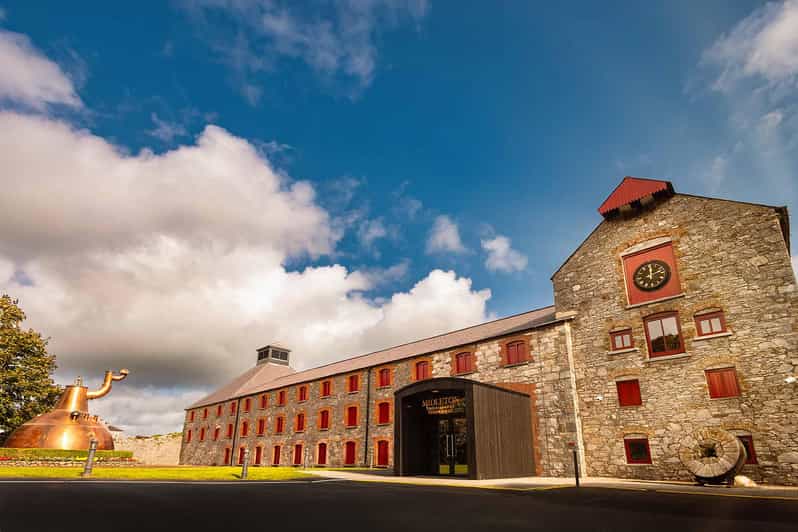
This is an efficient format if you’re short on time in Cork but still want the real story behind Irish whiskey. The tour is built around the working parts of Midleton Distillery: where whiskey is made, where it’s matured, and where it ends up ready to bottle. Instead of treating tasting as a separate event, the experience ties it to specific stops, so your glass feels earned.
Price is $85 per person, which is not cheap. But you’re paying for more than a sample. You’re paying for an extended behind-the-scenes route with multiple tasting moments and an expert guide who talks you through the process while you’re standing in the relevant areas. If your idea of a good whiskey day is learning alongside tasting, this can feel like strong value.
The tour is also very straightforward in terms of what you do and don’t get. Food is not included, and there’s no hotel pickup. That means you’ll want to eat either before you go or after you finish. And you’ll want to show up on time since you start at a meeting point and should arrive 15 minutes early.
You can also read our reviews of more tours and experiences in Cork.

Your first walk: how the buildings set up the whiskey you taste
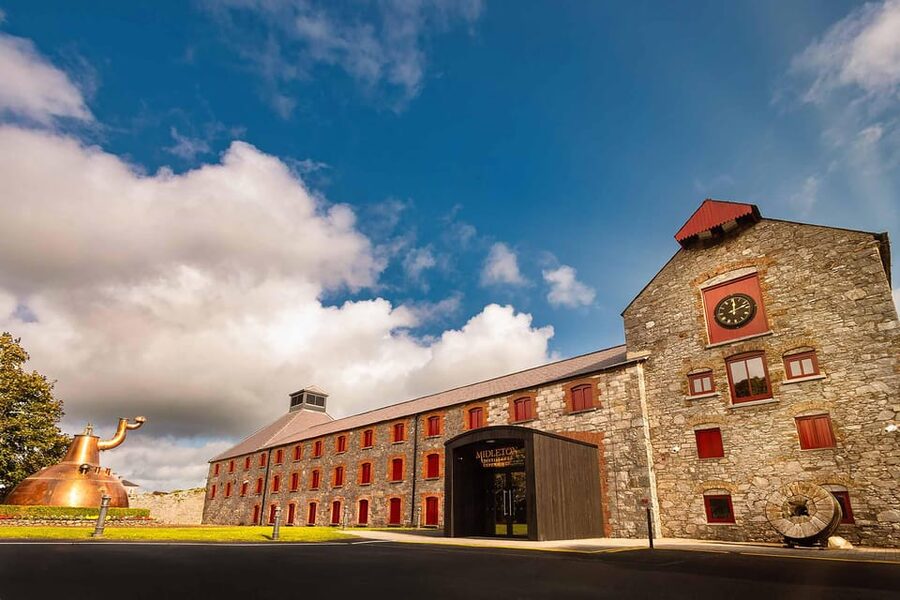
You follow an ambassador through several of the distillery’s core areas, and the order matters. You don’t just wander; you move through the workflow so the tastings make sense.
A big part of why this works is that the guide keeps connecting each location to what you’ll notice in the glass later. That makes the experience better for first-timers. If you’re new to whiskey, you’ll still have a path to follow. If you already know your way around Irish whiskey, you’ll still get fresh talking points because you’re matching flavor to production steps you can see.
The tour highlights include the Microdistillery, Cooperage, Maturation Warehouse, and the Distiller’s Cottage. Even if you don’t memorize every detail, you’ll come away with a clearer sense of how whiskey goes from production into aging, and how that affects what you smell and taste.
Microdistillery: the small scale that explains the big outcome
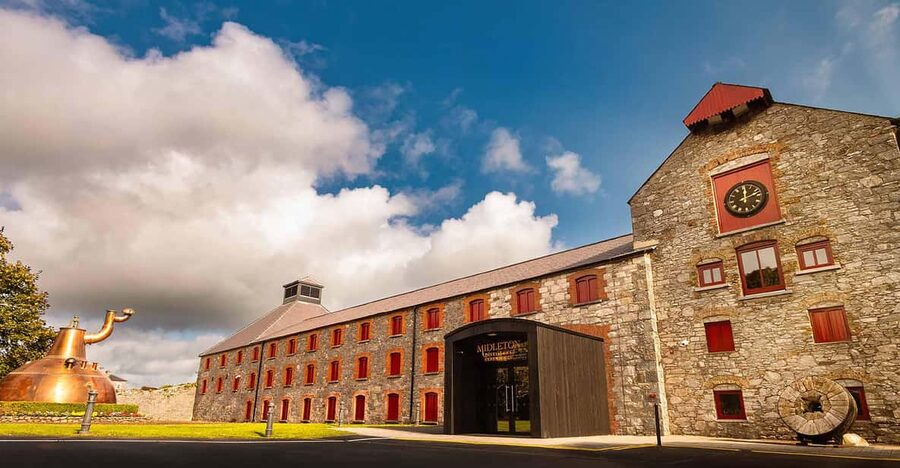
The Microdistillery stop is where a tour like this starts to feel more than scenic. It’s a chance to see how Midleton approaches the craft side of production, and it helps you understand why whiskey can taste different even when the general ingredients are familiar.
If you’ve ever tasted two whiskies and wondered what actually changes inside the process, this kind of stop helps connect the dots. You’re not stuck reading labels. You’re learning the production rhythm that leads to those aromas you’ll meet later.
A practical note: don’t rush this part. Take a slow look, and listen for the guide’s explanations about how each step contributes to character. The best part is that your tasting moments are scheduled during the tour, so you won’t feel like you’re learning in theory only.
Cooperage: where barrels start to influence your glass
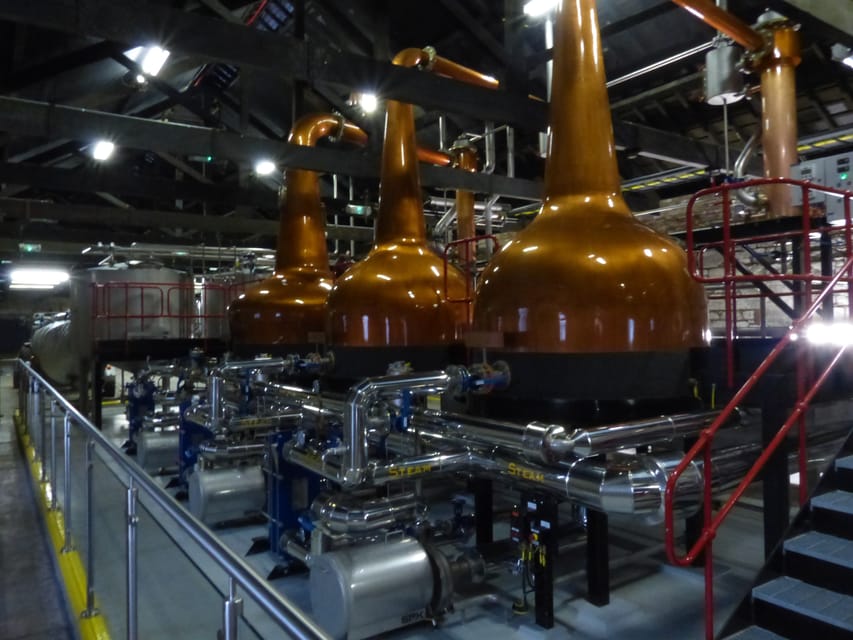
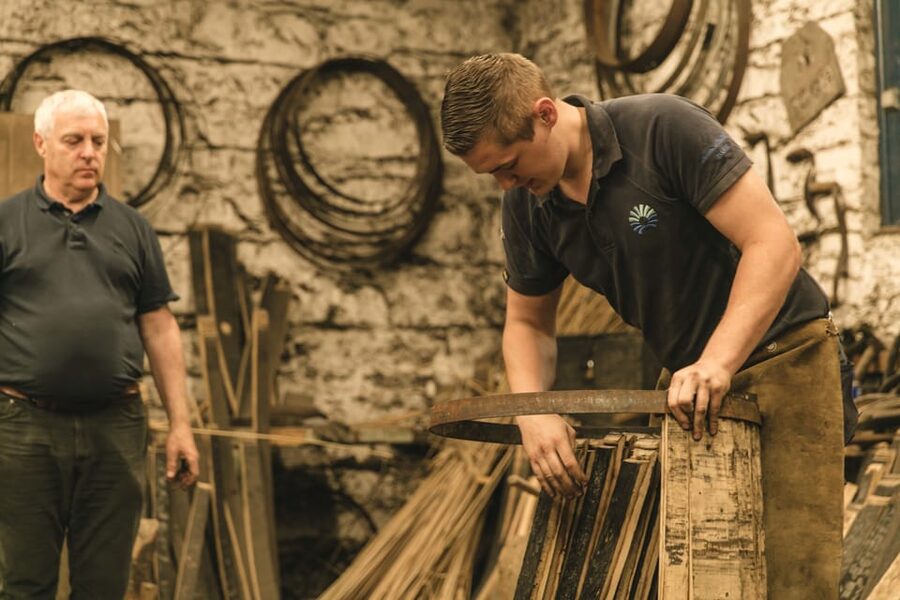
Next you’ll head to the Cooperage. This is one of those stops that quietly matters a lot because barrels are a major driver of whiskey flavor. The wood can add spice and structure. It can also influence sweetness and the way aromas show up.
On tours like this, I like the cooperage section because it makes the whiskey feel less mysterious. You start to see the aging system as something real: not just time passing, but time passing in contact with wood and storage conditions.
If you enjoy the sensory side of whiskey, this is also a good mental warm-up before the tasting areas. When you later get aroma notes in the warehouse and then a sip in context, the cooperage piece helps your brain label what you’re noticing.
Maturation Warehouse: where the air does some of the work
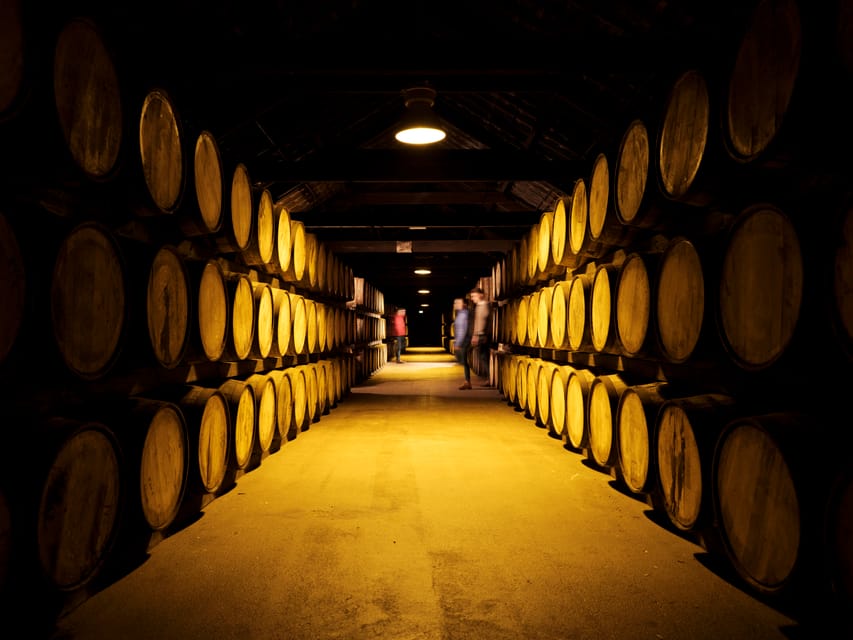
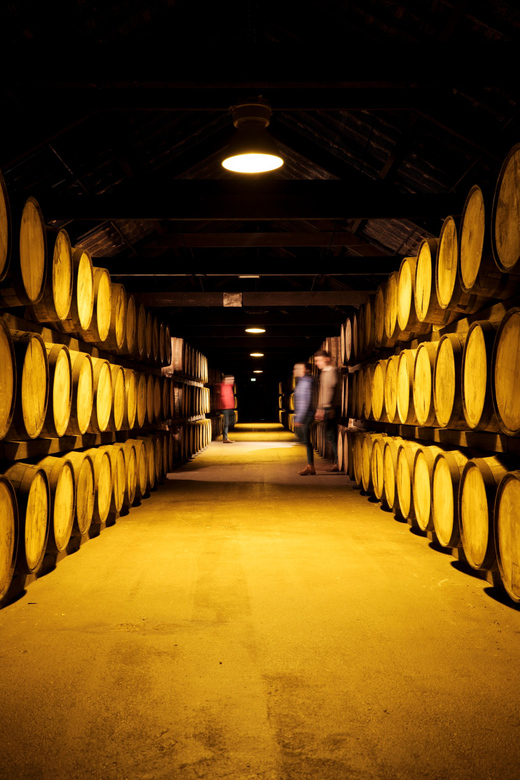
The Maturation Warehouse is a highlight for a reason. You get the chance to savor wonderful aromas in the warehouse itself. That matters because smell is the first step in understanding whiskey character.
Aromas in a maturation warehouse are not just about the whiskey in barrels. They’re about the atmosphere of aging: how the environment interacts with the casks and how those compounds develop over time. Even if you’re not a technical whisky nerd, you’ll understand the concept quickly because your senses do the explaining.
Here’s how to make this stop more enjoyable: pause. Don’t treat it like a photo moment. Let the guide’s cues help you identify what you’re smelling, and then pay attention when you taste later. The tour is designed so your palate catches up to your nose.
One more thing: wear layers if it’s cold or damp outside. Warehouses can feel cooler, and you’ll be moving between indoor and outdoor spots.



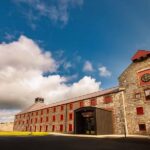

Distiller’s Cottage: the human side of the operation
Then there’s the Distiller’s Cottage visit, which breaks up the production focus with something more personal. It adds texture to the story of the distillery and helps you see the people and tradition behind the system.
This is the stop I’d recommend even to someone who usually skips the historical bits. The cottage visit gives you a different rhythm in the tour. You’re not only thinking about vats, barrels, and storage. You’re also thinking about how a distillery runs as a long-term way of life.
If you like museums and heritage storytelling, you’ll appreciate this moment more. If you’re more of a straight-to-taste person, it still works because it’s placed where your brain has enough production detail to make the heritage feel connected, not random.
Tastings throughout the tour: how to get more from each pour
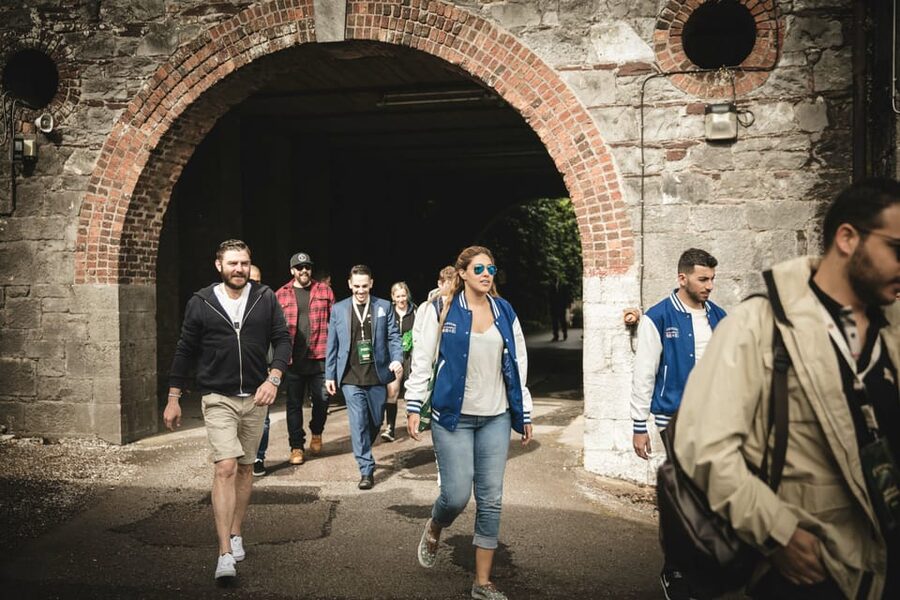
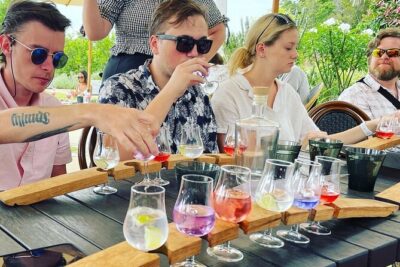
The tour includes whiskey tastings throughout the experience. The tasting is a real part of the itinerary, not a single end-of-tour sample.
That pacing is smart for two reasons. First, it keeps you engaged during the production talk. Second, it helps you remember what you just learned when you’re tasting. When you taste near the places where whiskey is made and aged, your senses can connect to the story you’re hearing.
The tour description notes that tastings happen just a stone’s throw away from the stills where whiskey is made to this day. That’s a big deal because it reduces the separation between process and product. You don’t feel like you’re learning in one room and tasting in another.
How to enjoy tastings without overthinking:
- Sip slowly and smell first. Let the aromas come forward.
- Take a mental note of what changes from one whiskey to the next. Even one-word notes in your head help.
- If you’re driving later, make sure you’re realistic about alcohol. This is a tasting that includes multiple samples.
Your guide can make or break it: what the best ones do
A behind-the-scenes tour lives and dies by the guide, and the experience here seems to attract guides who can explain the process in plain language. On different tours, ambassadors such as Michael, Joe, and BART are mentioned for strong guidance and clear explanations.
What matters most is how the guide builds context: how to watch for what a distillery building is doing, how barrels influence flavor, and how warehouses change what you’ll taste. When the guide gets it right, you leave with more than a few pleasant sips. You leave knowing why those sips taste the way they do.
If you want a little extra value from your time, ask one good question during the tour. Something simple like what the guide thinks is the biggest driver of flavor in the whiskies you’re tasting. You’ll get more out of the walk because you’re actively listening.
Logistics that affect your comfort (and your photos)
This tour is English and runs about 2 hours. Start times vary, so check availability when you’re planning your Cork schedule. The meeting point is where you start, and you should arrive 15 minutes early.
They also mention the tour runs rain or shine, so dress for Irish weather and plan comfy footwear. That’s not just a safety note. The better your footing, the more you can relax and pay attention instead of rushing.
Parking is a nice perk here: there is free parking included. If you’re basing yourself outside the city or doing a Cork loop with a car, this can save you stress.
Not included: hotel pickup and drop-off and food. If you rely on taxis or rideshare, budget for getting there and back on time. If you’re walking from a nearby base, wear shoes you trust.
Price and value: is $85 worth it?
Let’s talk value honestly. $85 is a meaningful chunk of change for a 2-hour outing. The way this tour justifies it is through the combination of:
- an extended behind-the-scenes route (not a shortcut version)
- multiple tastings integrated through the tour
- access to several key production areas
- a guided experience from expert whiskey ambassadors
If all you wanted was one or two quick samples, you could probably find cheaper tastings elsewhere. But if you want a tour where tasting happens while you learn the production story, $85 starts to make sense.
I also like that the tour includes entrance fee and whiskey tasting. You’re not paying extra at the end for the main event.
Who this tour suits best
This is a great fit if:
- You want a structured whiskey education, not just a bar visit
- You enjoy sensory experiences like aroma and tasting in context
- You like behind-the-scenes tours where you can see the working parts
It may be less suitable if:
- You’re expecting a full meal or food pairing (it’s not included)
- You have mobility limitations, since the tour is not suitable for people with mobility impairments
If you’re traveling with limited time in Cork, this tour’s 2-hour duration is a practical win. It’s also a solid choice for couples, solo travelers, and small groups who want a guided plan without being stuck for the whole day.
Quick tips to get the most out of the day
A few small moves make a big difference:
- Dress for rain or shine and bring comfortable shoes.
- Go in with a calm pace. The charm here is the pairing of stops and tastings.
- If you’re sensitive to alcohol or unsure how you’ll feel after multiple samples, plan your next step accordingly.
- Take your time at the Maturation Warehouse. That aroma stop is a highlight for a reason.
And yes, it helps to be curious. Whiskey tours work best when you treat the guide’s talk like a tour of the senses, not a lecture.
Should you book the Midleton Distillery behind-the-scenes tour?
Book it if you want a guided walk that ties what you see to what you taste, with multiple Premium tastings and standout stops like the Maturation Warehouse and Distiller’s Cottage. It’s a smart use of a couple hours in Cork, especially if you’re the type who likes to understand a craft instead of just consuming it.
Skip it only if you’re mainly shopping for food, or if mobility is an issue for you. Otherwise, this is the kind of distillery tour that leaves you with more than a souvenir glass in your hand. You’ll leave with a clearer sense of how the process shapes the whiskey.
FAQ
FAQ
How long is the Midleton Distillery behind-the-scenes tour?
The tour lasts about 2 hours.
How much does the tour cost?
The price listed is $85 per person.
Is whiskey tasting included?
Yes. Whiskey tasting is included as part of the tour.
Is food included?
No. Food is not included.
Is hotel pickup and drop-off included?
No. Hotel pickup and drop-off are not included.
What should I wear?
The tour runs rain or shine, so wear clothes for Irish weather and comfortable footwear.
Do I need to arrive early?
Yes. Please arrive 15 minutes before the activity starts.
Is there free parking?
Yes. Free parking is included.
What language is the tour guide?
The live tour guide is in English.
Is the tour suitable for people with mobility impairments?
No. It is not suitable for people with mobility impairments.