REVIEW · ICA
Winery and Pisco Distillery tour
Book on Viator →Operated by Sam Travel Experiences · Bookable on Viator
A pisco tour can feel like drinking tours. This one is different because it’s built around where pisco is made—from a historic industrial winery to family-style bodegas—plus a tasting plan that fits the afternoon. I particularly like the small group size (max 12) and the fact that you get round-trip transport from Ica or Huacachina, so you’re not stuck figuring out dusty rides on your own. One thing to keep in mind: Tacama has an extra entrance ticket you pay separately.
The stops also follow the idea of a pisco route, not just a quick look. You’ll move through multiple wineries and see how styles and production traditions vary. My main hesitation is simple: if you hate back-to-back tastings, three producer stops in one afternoon might feel like a lot.
In This Review
- Key highlights worth planning around
- Why this Ica pisco tour feels more like a route than a show
- Getting there: pickup, timing, and what 5 to 6 hours really means
- Stop 1 at Hacienda Tacama: the historic anchor of the afternoon
- El Arrabal and La Vieja Bodega Lovera: artisanal methods plus a real lunch break
- Bodega Nietto: where the Gonzalez Misa legacy starts
- Tastings, cachinas, and how to taste without getting overwhelmed
- Price and value: what $30.77 covers and what to budget for Tacama
- Small group attention: why the guide matters here
- Who should book this (and who should skip it)
- Should you book this winery and pisco distillery tour?
- FAQ
- How long is the winery and pisco distillery tour in Ica?
- Where do you get picked up?
- What does the tour cost?
- Is the Tacama entrance ticket included?
- What happens on Mondays?
- How many people are in the group?
- Is lunch included?
- What if the weather is bad?
Key highlights worth planning around
- Small group (max 12): more attention from the guide and less “herding” at tastings.
- Hotel pickup in Ica or Huacachina: the logistics are handled, and you can start relaxing early.
- Tacama first, historic and iconic: oldest-winery visit in the area, with pisco, wine, and sparkling in the same stop.
- Monday swap: if Tacama is closed, you visit Hacienda Vista Alegre instead.
- Lunch time built in: you get free time to eat during the tour (meals cost extra).
- Family winery heritage: Bodega Nietto links back to the Gonzalez Misa family and the mid-1800s.
Why this Ica pisco tour feels more like a route than a show
Ica is ground zero for Peru’s pisco culture, but most visitors only see the final bottle. This tour gives you the story in the middle: grapes going to wine and pisco, and the way producers protect their methods across generations.
What makes it work is pacing and access. You’re not just staring at barrels; you’re tasting and learning alongside the people who make the products. The small group matters here. In a group that stays under 12, it’s easier to ask questions, compare flavors, and get the kind of guidance that turns tasting from random sips into actual understanding.
If you like your afternoons structured—pickup, short drives, stops, tastings, and then you’re back—this is a good fit. If you want total spontaneity, this will feel planned. That’s the trade.
Getting there: pickup, timing, and what 5 to 6 hours really means
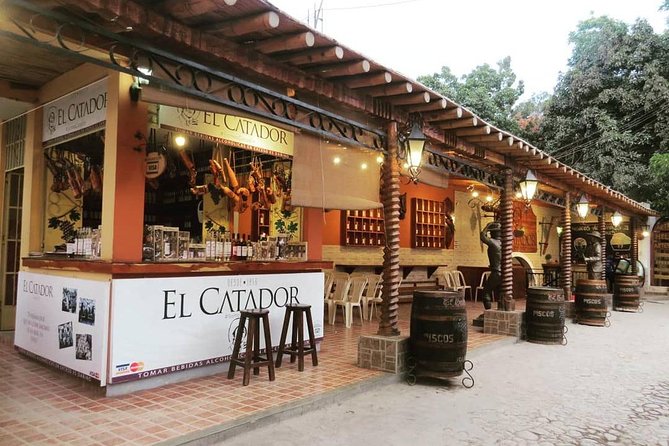
The tour runs about 5 to 6 hours. In real life, that means a focused afternoon rather than a whole-day excursion. You’ll start with pickup from your hotel in Ica or Huacachina, and on some holidays the pickup points shift to the Plaza de Armas and Huacachina, with drop-off back at the provider’s office or Plaza de Armas in Ica.
Choose from several start times to match your schedule—handy if you’re building around dune time in Huacachina. Also, the tour includes reception at the bus station or pickup from hotels, so even if you arrived by bus, you’re not left guessing where to meet.
The practical point: because it’s only half a day, plan for a later dinner with a lighter appetite. Tastings add up, even when the guide keeps things friendly.
Stop 1 at Hacienda Tacama: the historic anchor of the afternoon
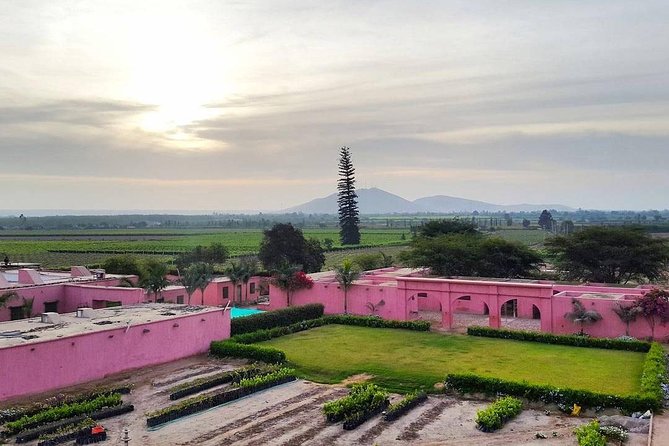
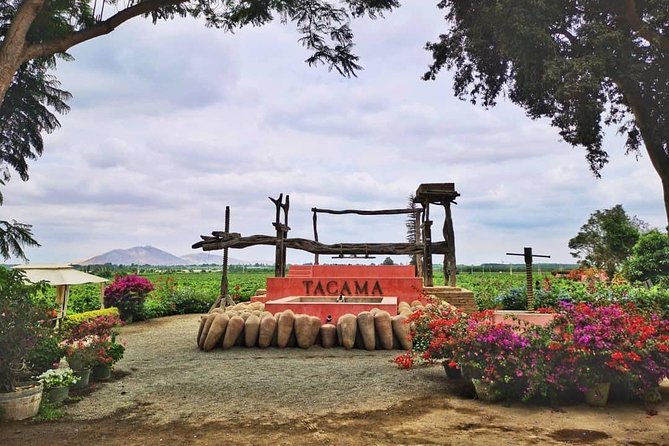
You start at Hacienda Tacama, described as the oldest winery in South America. That’s not just a marketing line—it’s the kind of place where the building, the production history, and the product line are all part of the same story. You’re there for wine, pisco, and sparkling, and the tour’s tasting approach kicks off with those familiar categories.
One key detail: Tacama’s visit has a ticket you pay separately. The tour includes entry to the “specified tourist places,” but Tacama’s entrance ticket is listed as not included. You should budget about PEN 25 per person (card or cash) for the Tacama entrance.
Another practical note: Mondays change everything. Hacienda Tacama rests on Mondays, and the tour swaps the Tacama visit for Hacienda Vista Alegre, same category level. You’ll still get the winery stop and the tasting focus, just not the Tacama building.
Why start here? Because it sets your baseline. After Tacama, you’ll be able to compare how artisanal producers differ from an industrial-style setup—texture, intensity, and how the tasting notes make more sense.
El Arrabal and La Vieja Bodega Lovera: artisanal methods plus a real lunch break
After Tacama, you continue down the pisco route with an artisanal stop at El Arrabal (described as an artisan winery). The point of El Arrabal is preservation of tradition—this is the kind of place where you can feel the work is still tied to older production habits.
This stop also includes free time for lunch. You’re given time to eat at the restaurant at the vineyard, but the tour data clearly says meals aren’t included—so bring some cash or card and don’t assume lunch is covered.
From there, you visit La Vieja Bodega Lovera. Here’s what makes it more than a second tasting stop: you get access to an authentic Spanish cellar (cava) dating to the 16th and 17th centuries. That cellar context matters. It helps you understand why producers care about aging conditions and environment, not just the recipe.
In terms of what you’ll focus on, the tastings emphasize piscos, wines, and cachinas. Cachinas can be a fun detail for first-timers because they add depth to the pisco story beyond the single “pisco sour” association.
The trade-off: with so many products and two winery stops back-to-back here, you’ll want to pace yourself. Take a few bites during lunch so your taste receptors aren’t running on empty—and be ready for the afternoon to start feeling like a tasting curriculum.
Bodega Nietto: where the Gonzalez Misa legacy starts
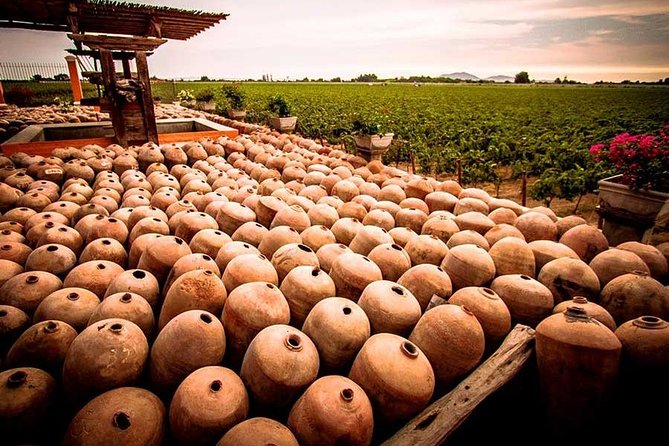
Your last winery stop centers on Bodega Nietto, also referred to through the mother winery concept of Pisco Nietto. This is a family operation tied to the Gonzalez Misa family, founded in 1857. The tour notes that it’s currently in the 4th generation of family leadership.
This stop is shorter—about 1 hour—but it carries weight because you’re ending the tour at a place with deep family roots and clear continuity. In practical terms, it also means you get a closer-to-finish reset: taste, absorb, ask a few targeted questions, then you head back to your hotel in Ica.
Again, the spotlight is on piscos, wines, and cachinas, and the family history is part of how the guide can explain the production choices behind those flavors.
If you want a clean arc to the afternoon, this helps. You start with the big historic industrial anchor at Tacama, pass through artisanal culture with old-cellar atmosphere, and then close with a family legacy winery. It’s a satisfying progression for people who like structure.
Tastings, cachinas, and how to taste without getting overwhelmed
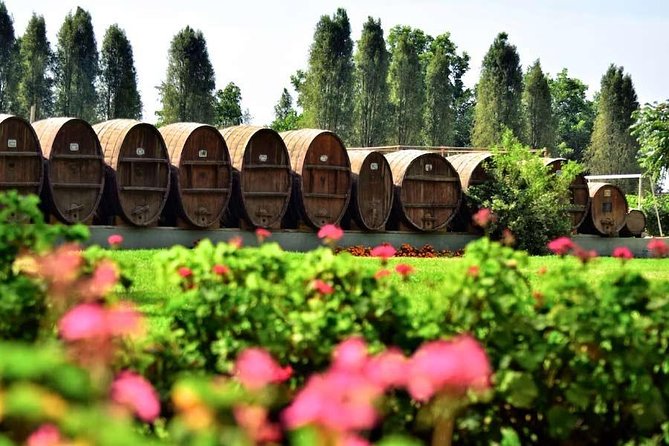
The tour includes tasting of piscos and wines across the stops. That sounds straightforward, but the best way to enjoy it is to treat tastings like comparisons, not like a checklist.
Here are a few ways I’d handle it in your place:
- Slow down early. Your first samples at Tacama set the “baseline” for the rest of the afternoon.
- Pick one thing to notice. Is it aroma strength, sweetness, burn/smoothness, or finish length? Trying to track everything at once makes it harder to remember anything.
- Use lunch strategically. The tour gives you free time to eat on the El Arrabal/Lovera stretch. Don’t skip it if you can help it.
The tour is also built around pisco categories you might not see everywhere. Cachinas show up as part of the tastings, which is a nice way to learn that pisco culture is broader than just the cocktail world.
One more practical tip: if you’re the kind of person who drinks slowly but doesn’t like alcohol after a certain point, tell your guide early. With a small group, you’ll usually get more flexibility than on high-volume tours.
Price and value: what $30.77 covers and what to budget for Tacama
At $30.77 per person, this isn’t a luxury-price tour, and that matters in Ica. You’re getting transport, guided winery stops, and tastings across multiple producers in a half-day window.
But do plan for the Tacama entrance ticket. Tacama’s ticket is PEN 25 per person and is not included in the tour price. That’s a simple add-on, and it’s usually the only extra you should expect.
Also note that meals and lodging are not included. The tour does include free time for lunch during the route, which is great for timing, but you should assume you’ll pay for what you order.
The value question: does this tour justify the price? For me, it does if you want a guided taste of the Ica pisco scene without hiring separate transport between wineries. Round-trip hotel pickup plus tastings plus multiple stops in one afternoon is the bundle you’re paying for.
If you’re already comfortable driving, or you’re planning your own self-guided stops, you might compare costs. But most visitors who are in Ica for a short time appreciate not having to coordinate everything.
Small group attention: why the guide matters here
There’s a reason the tour repeatedly gets praised for organization and responsiveness: the experience is social, not just scenic. With a maximum of 12 people, the guide can explain each stop’s role in the pisco route and help you connect what you taste to what you’re seeing.
You’ll likely feel it most during tastings—when questions come up about production, flavor differences, or what you’re drinking. The feedback you’ll see about guides like William and Raúl points to two things that matter: clear communication ahead of time and good historical context during the ride.
If you’re doing this as part of a Peru circuit and you value smooth transitions, this matters too. One key benefit is that the guide can help keep your day on track if you’ve booked another activity after the tour.
Who should book this (and who should skip it)
This tour is a strong match for:
- First-time visitors who want a guided introduction to Ica’s pisco and winery scene
- People staying in Ica or Huacachina who want reliable pickup and drop-off
- Wine and spirit fans who like history, but prefer learning it through tasting
You might consider a different style of tour if:
- You hate tasting-heavy afternoons. With three producer stops and tastings at each, it can feel like more than you expect.
- You’re very sensitive to the Monday schedule change. Tacama closes on Mondays, and you’ll go to Vista Alegre instead. It won’t ruin the day, but it will change the first stop.
Should you book this winery and pisco distillery tour?
Yes—with a couple of smart conditions.
Book it if you want structured tasting with transport handled and you’re happy to spend about half a day moving through the Ica pisco route. The small group size and the lineup of wineries make it feel like an educational afternoon, not a random drinking stop.
Hold off (or pick a different day) if you’re booking on a Monday and Tacama is the specific draw for you, or if you know you don’t enjoy tasting “marathons.” Also, keep a little budget aside for the Tacama entrance ticket and remember lunch isn’t included.
If you want an honest pisco introduction in a way that feels organized and local, this is a solid choice.
FAQ
How long is the winery and pisco distillery tour in Ica?
It runs about 5 to 6 hours.
Where do you get picked up?
You’re picked up from hotels in Ica or Huacachina, or the bus station. On holidays, pickup is at Plaza de Armas and Huacachina, with drop-off at the Ica office or Plaza de Armas.
What does the tour cost?
The price is $30.77 per person.
Is the Tacama entrance ticket included?
No. Tacama’s entrance ticket is not included and costs PEN 25 per person, paid by card or cash.
What happens on Mondays?
On Mondays, Hacienda Tacama is closed. The Tacama stop is replaced with a visit to Hacienda Vista Alegre, in the same category.
How many people are in the group?
The tour has a maximum of 12 travelers.
Is lunch included?
You get free time for lunch during the tour, but meals are not included.
What if the weather is bad?
This experience requires good weather. If it’s canceled due to poor weather, you’ll be offered another date or a full refund.