REVIEW · FRANCE
Tour Guide of an Essential Oil Distillery in the Drôme
Book on Viator →Operated by Distillerie des 4 Vallées · Bookable on Viator
Smell lavender in the exact place it’s made. This Drôme distillery visit mixes hands-on aromatics with behind-the-scenes production, so you’re not just looking at bottles. You’ll walk through the growing and drying areas, learn how essential oils are actually produced, and finish with a shop where you can put the smells and science into practice.
Two things I really like: first, the interactive lavender olfactory workshop, where you learn to tell fine lavender, lavandin, and aspic apart by scent. Second, the tour’s focus on historic stills that are still part of the story, plus restored examples you can see at your own pace.
One drawback to plan for: the whole experience is about 1.5–2.5 hours, so it’s best to go in with a few questions ready if you want deeper answers.
In This Review
- Key things to look forward to
- Lavender Fields to Working Stills: the core idea of this Drôme tour
- Price and timing: what you’re really buying
- Stop 1 at Distillerie des 4 Vallées: lavender types, drying areas, and the olfactory workshop
- The lavender smell test (and how you’ll use it later)
- From harvesting bundles to evaporation: distillation in plain terms
- What you should do during this stop
- Stop 2 self-paced: fields, Vercors mountain photos, and a restored still museum
- Museum time: how old equipment teaches modern buyers
- Stop 3: the shop where the tour becomes a shopping list (and a tasting of local products)
- How to shop smart here
- What you’ll learn about essential oils and floral waters (beyond the bottle)
- You’ll connect the plant to the product
- You’ll get the practical uses in mind
- You’ll understand traditional plus modern techniques
- How long it feels, group energy, and the language factor
- Who should book this tour at Distillerie des 4 Vallées?
- Should you book this Drôme essential oil distillery tour?
- FAQ
- How long is the essential oil distillery experience?
- What time does the tour start?
- Is the tour offered in English?
- What will I see and do during the guided part?
- Is there time to explore on my own?
- How much is the tour?
- Can I visit the shop afterward?
- Is free cancellation available?
Key things to look forward to
- A guided walk through working lavender areas, not just a quick stop inside
- An aroma workshop that trains you to distinguish fine lavender, lavandin, and aspic
- Traditional and modern distillation explained clearly, from harvest bundles to the evaporation step
- Historic stills in action, plus a museum section you can explore after the main guide
- A self-paced photo and stroll window with the Vercors mountains as a backdrop
- A shop packed with Drôme flavors and fragrance products, from oils to honey and jams
Lavender Fields to Working Stills: the core idea of this Drôme tour
This is the kind of tour that makes the countryside feel practical. You start outside, where lavender is growing and drying, and you end up understanding what’s happening from plant to product. The best part is that it’s not a lecture-only experience: your senses do some of the work.
The setting matters too. The Distillerie des 4 Vallées sits in the heart of the Drôme region, close enough to the lavender fields that the air itself becomes part of the lesson. And because the guides explain both tradition and modern production, you get a fuller picture than you would from a museum-only visit.
Also, the guide style seems built for real people. On some visits, the tone is light and personal, with guides who can explain in a clear way when you ask questions in a foreign language. If you like learning through conversation, you’ll probably feel at ease.
Price and timing: what you’re really buying
The price is about $8.47 per person, which is remarkably low for a guided tour that covers multiple stages of production. You’re paying for time with a professional guide, access to the production area and museum portion, and the chance to learn what essential oils and floral waters actually mean in everyday use.
The visit runs roughly 1 hour 30 minutes to 2 hours 30 minutes, and it starts at 2:30 pm. You get a guided segment and then time to linger on your own, which is a great match for lots of travel styles—slow wanderers and quick learners both benefit.
Two practical notes that help you enjoy it more:
- Go in ready to smell. The workshop trains your nose, so fresh attention beats power-snacking beforehand.
- Plan your questions. The whole experience is limited, so if you want details about a product you plan to buy, ask before you reach the shop.
If your plans change, the experience offers free cancellation up to 24 hours in advance, which makes this easier to fit into a fluid itinerary.
Stop 1 at Distillerie des 4 Vallées: lavender types, drying areas, and the olfactory workshop
This first section is the heart of the tour, about 1.5 hours with a professional guide. You’ll learn the distillery’s story and how it operates today, starting with its founding back in 1930 and continuing through how the estate works now in the Drôme region.
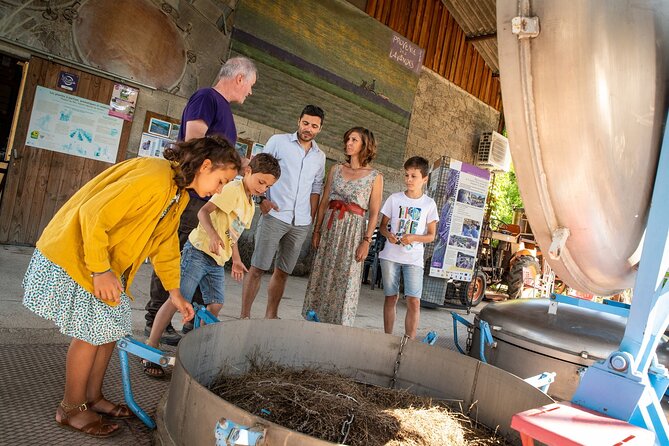
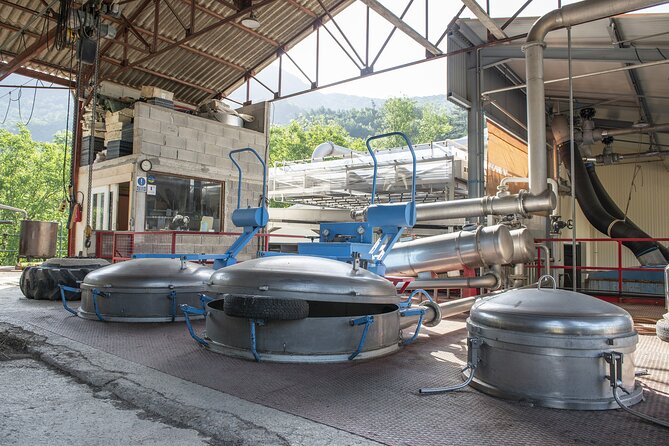
What makes this stop feel real is the sequence. You don’t jump straight to a machine or a bottle. You’re guided through lavender fields, then drying areas, and then to historic stills that are still in use. That order helps you understand why each step matters.
The lavender smell test (and how you’ll use it later)
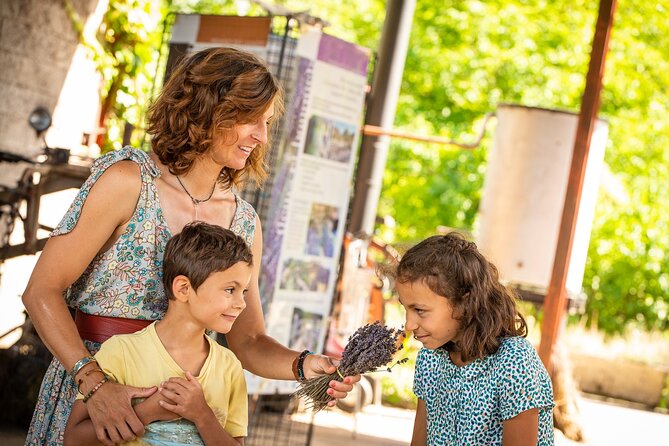
A big highlight is the interactive olfactory workshop. You learn to distinguish three types by scent:
- Fine lavender
- Lavandin
- Aspic
You’ll likely notice how different varieties create different impressions even if you’ve smelled lavender before. This is useful because most of us buy lavender products without knowing which plant they’re based on. After the workshop, you’ll have a mental map for what you’re buying—at least in terms of the smell profile.
From harvesting bundles to evaporation: distillation in plain terms
You’ll also get an explanation of traditional and modern distillation techniques. The guide walks you through steps like harvesting lavender in bundles and then the evaporation process that helps concentrate what you’re after.
The goal here isn’t to make you a chemist. It’s to help you connect cause and effect:
- Harvest timing affects what ends up in the distillation
- The production process affects how concentrated the end result feels in the bottle
- Floral water and essential oil are related, but not the same job
What you should do during this stop
To get your money’s worth, I’d treat this like a lesson, not a stroll. Take mental notes on the smells you liked most. If you’re planning to buy gifts, pay attention to what the guide says about everyday use of essential oils and floral waters—that’s the part that turns souvenirs into useful items.
And yes, you’ll end with a friendly Q&A moment. Guides here seem comfortable answering practical questions and sharing tips for using lavender products at home.
Stop 2 self-paced: fields, Vercors mountain photos, and a restored still museum
After the guided portion, you get a self-paced extension of about 30 minutes. This is where you can reset your brain and enjoy the setting without listening to a script.
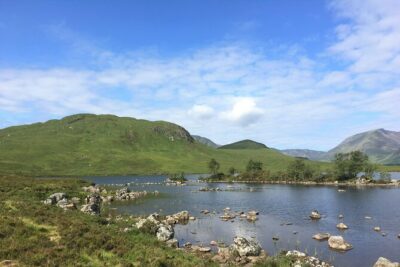
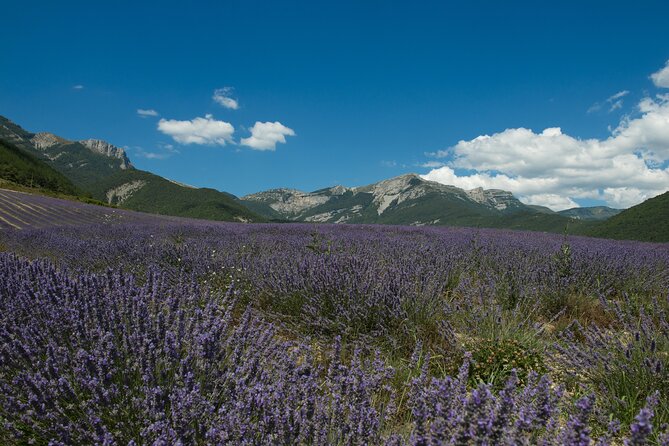
You can walk through nearby lavender fields and take photos with the Vercors mountains in the background. If you’re the kind of traveler who likes a “pause moment” after learning, this time works well. It also gives you a chance to re-smell the air and notice how the scent changes outdoors versus inside a distillery area.
Museum time: how old equipment teaches modern buyers
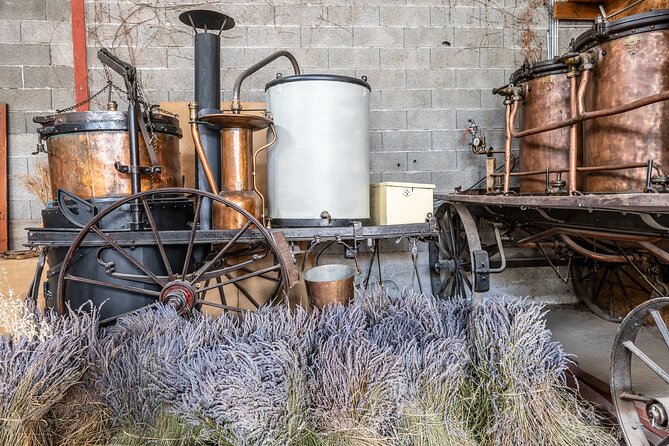
You can also explore the museum area, with fully restored historic stills. The museum’s value is in the comparison. You get a sense of how distillation techniques evolved over nearly a century of expertise, without feeling lost in technical jargon.
If you’re the kind of person who loves machinery and process—valves, pipes, steps—this section is a good reward. It’s short, but it gives context that makes the guided explanations land better.
A small caution: this portion is self-paced, so if you’re rushing through, you might miss the museum storytelling. Give yourself a couple of minutes to read and look closely.
Stop 3: the shop where the tour becomes a shopping list (and a tasting of local products)
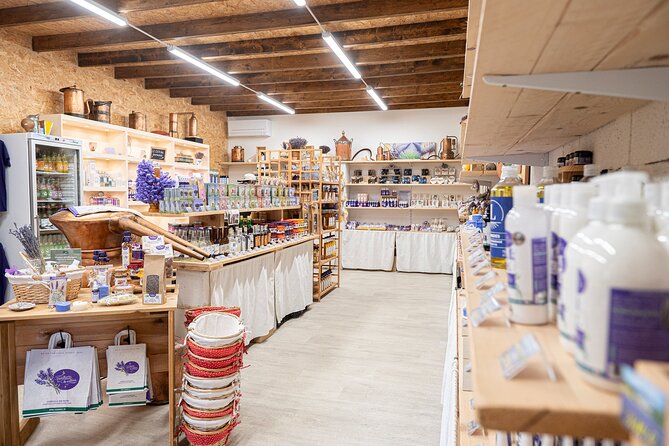
To wrap up, you’ll have about 15 minutes in the producer’s shop right next to the distillery. This is where you can turn your new scent knowledge into purchases.
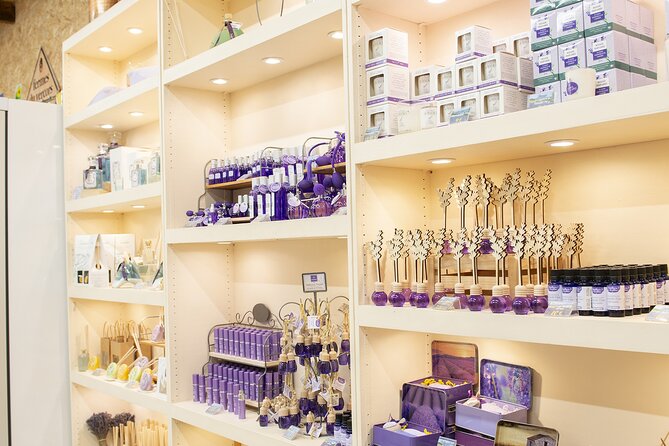
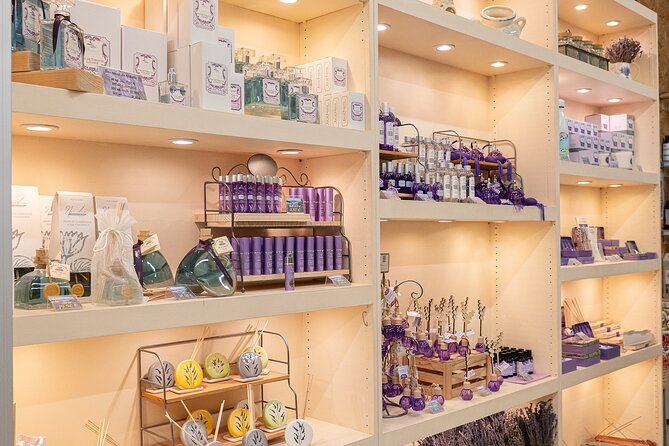
You’ll find more than 300 products, including the distillery’s own creations:
- essential oils
- floral waters
- syrups
- cosmetics
There are also regional items from local artisans, such as:
- honey
- jams
- soaps
- biscuits
- other regional treats
How to shop smart here
This shop is not just retail. It’s the practical endpoint of the whole experience. Since you learned about lavender varieties and distillation basics earlier, you can shop with more confidence.
Here’s how I’d approach it quickly:
- If you want something gentle and versatile, focus on floral waters for everyday use ideas you heard during the tour.
- If you’re buying for scent and potency, essential oils make sense, but choose based on the aroma types you reacted to most during the workshop.
- For gifts, syrups and local treats help you spread the Drôme flavors beyond fragrance.
If you’re unsure what to choose, ask the staff for pairing suggestions based on what you liked smelling during the tour. That kind of question is exactly what turns a store visit into a useful souvenir hunt.
What you’ll learn about essential oils and floral waters (beyond the bottle)
This experience does something I love: it explains why these products exist, not just what they cost. When you understand the steps from harvest bundles to evaporation, you start to see essential oils and floral waters as outcomes of process—not magic.
You’ll connect the plant to the product
Seeing lavender fields and drying areas before the distillation portion matters. It helps you understand that the “raw material” is not a vague ingredient. It’s a crop, harvested in a specific way, with an odor profile that can shift by variety.
That’s why the lavender variety workshop is such a powerful teaching tool. Once you can tell fine lavender from lavandin or aspic by scent, you’ll be harder to confuse in a shop.
You’ll get the practical uses in mind
The tour includes practical guidance on uses of essential oils and floral waters in everyday life. You might not remember every detail, but you’ll leave with a direction for what to do at home—like thinking about scent, household uses, or personal care approaches tied to floral water versus essential oil.
You’ll understand traditional plus modern techniques
The guide’s explanation of both traditional and modern distillation techniques helps you avoid the common trap of thinking everything is either old-fashioned or “industrial.” Instead, you’ll see continuity: older methods still inform the craft, even when tools and methods improve.
That balance is especially satisfying in a place that dates back to 1930 and still operates in the Drôme region.
How long it feels, group energy, and the language factor
Timing-wise, plan for about 2 hours on the ground, plus the shop stop. It’s not a full-day production tour. It’s a focused arc: fields and drying, distillation understanding, then your own exploration, then shop time.
Group energy seems friendly and mixed. One visit described a range of ages, from kids around nine to adults in their seventies, and everyone enjoyed it because the guide’s explanations were adapted and approachable. If you’re traveling with family, this format tends to work well because it has scent-based activities and clear visuals.
Language is English, and the tour notes say that most travelers can participate. If you want adjustments in how explanations are handled, it helps to ask. Guides here appear comfortable clarifying when visitors request it.
One more practical tip: wear shoes that handle outdoor paths. Even if you’re not doing a long hike, you’ll be walking through field-adjacent areas as part of the experience.
Who should book this tour at Distillerie des 4 Vallées?
Book it if you want:
- a short, high-impact distillery experience
- a real feel for how lavender becomes essential oil and floral water
- an olfactory lesson that makes buying products less confusing
- a mix of guidance and self-paced time to take in the Drôme setting
This also works well if you’re a foodie or craft-minded traveler, because the shop carries both fragrance products and local edible treats like honey and jams.
Skip it if:
- you’re expecting a long, step-by-step behind-the-scenes walkthrough lasting most of the day
- you want deep technical detail without a sensory component
- you’re strongly turned off by scent-based activities (this tour leans on aroma)
If you like learning through your senses—smelling first, understanding second—this is your kind of stop.
Should you book this Drôme essential oil distillery tour?
Yes, I’d book it if you’re anywhere near the Drôme region and you want a small price to pay for meaningful understanding. For $8.47 and about 1.5–2.5 hours, you get guided access to the distillery world plus the bonus of a short self-paced window and a shop that turns knowledge into purchases.
The biggest reasons to choose this one are practical:
- the lavender olfactory workshop helps you shop smarter afterward
- the tour links fields, drying, and distillation steps into one clear story
- you finish with more than 300 products plus local artisan goodies
If your schedule is tight, this is also the kind of experience that fits without eating your whole day. Just go with curiosity, keep your questions ready, and don’t rush the aroma workshop—you’ll remember it the next time you see lavender in a bottle at home.
FAQ
How long is the essential oil distillery experience?
It lasts about 1 hour 30 minutes to 2 hours 30 minutes.
What time does the tour start?
The start time listed is 2:30 pm.
Is the tour offered in English?
Yes, it is offered in English.
What will I see and do during the guided part?
You’ll learn the distillery’s family history, tour areas such as lavender fields, drying areas, and historic stills, and take part in an interactive olfactory workshop to distinguish lavender types.
Is there time to explore on my own?
Yes. You can extend the experience at your own pace, including time to stroll through nearby lavender fields and visit the museum area.
How much is the tour?
The price is listed as $8.47 per person.
Can I visit the shop afterward?
Yes. There’s a concluding stop at the producers’ shop next to the distillery where you can browse their products and local artisan items.
Is free cancellation available?
Yes. You can cancel up to 24 hours in advance for a full refund.