REVIEW · BARBADOS
St. Nicholas Abbey Heritage Great House and Rum Distillery Tour
Book on Viator →Operated by ST NICHOLAS ABBEY · Bookable on Viator
A 1658 house and rum, all in one stop. St. Nicholas Abbey mixes Jacobean-era rooms with plantation-era machines, and it finishes with a rum tasting that feels practical, not just performative.
I especially like how you can set your own pace through the Great House while the place still gives you clear story points. You also get a memorable add-on film and a look at the sugar workflow that made this island run.
My only heads-up: the tasting and hands-on moments can feel short, so if you’re a hardcore rum fan, plan to linger only where you’re genuinely interested rather than trying to do everything at once.
In This Review
- Key Things I’d Prioritize
- Walking Through St. Nicholas Abbey’s 1658 Great House
- Setting Your Tempo: House Rooms, Artifacts, and Quiet Garden Moments
- The Vintage Film Intermission: Plantation Life on Screen
- Syrup Factory and the C. 1890 Working Steam Mill
- Rum Distillery Tour: Cane to Bottle (Plus a Complimentary Drink)
- Should You Add the Train Ride? A Quick Practical Take
- Food Stops: Gift Shop, Terrace Café, and Lunch Potential
- Price and Value: Is $45 Worth It?
- Who This Tour Is Best For (and Who Might Skip It)
- FAQ
- How long does the St. Nicholas Abbey Heritage Great House and Rum Distillery Tour take?
- What does the tour include?
- Is it self-guided or guided?
- Where does the tour start and end?
- How much is it?
- Are there any options for shopping or food?
- Can I cancel for a full refund?
- Are service animals allowed?
- Should You Book It?
Key Things I’d Prioritize
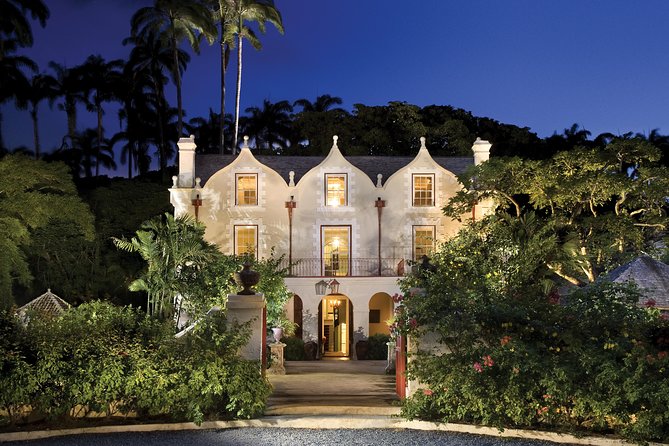
- 1658 Jacobean Great House: rooms and artifacts spanning Amerindian settlement through colonial Barbados
- Vintage plantation film: a seated break that adds context without slowing the whole outing
- C. 1890 syrup factory + working steam mill: see the sugar process behind the legends
- Rum distillery tour with tasting: cane-to-bottle overview, capped with a complimentary drink
- Small group feel (max 25): easier to ask questions and move at a comfortable tempo
Walking Through St. Nicholas Abbey’s 1658 Great House
St. Nicholas Abbey is one of those places where the building does half the talking. You’re stepping into a 1658 Jacobean Great House, and you immediately get the sense that this wasn’t a casual summer home. The site is laid out so you can walk through and take your time, which matters because Barbados history isn’t just one storyline—it’s a series of changes across eras.
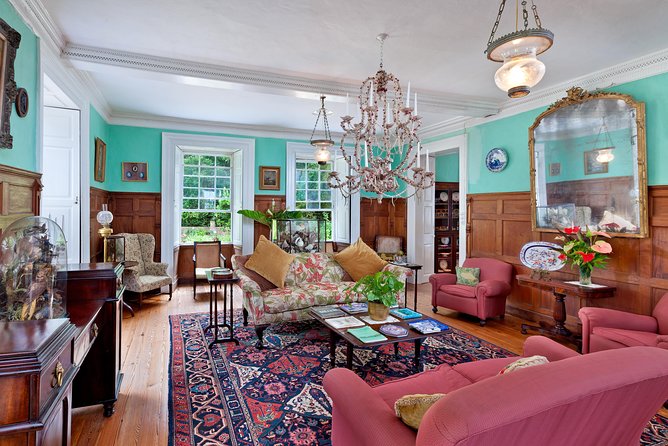
Inside, the House Museum and rooms focus on the artifacts and everyday objects that connect Amerindian settlement to later colonial life. The museum approach here is useful: you’re not just looking at pictures on a wall, you’re moving through spaces and seeing how the plantation era reshaped life. I like that the focus stays tangible—things you can actually picture being used.
One practical tip: go in with a loose plan. Spend your first pass orienting yourself—what rooms hold which themes—then slow down for the details that interest you most. That’s the sweet spot for a site like this, because you’ll get more out of the artifacts when you’re not rushing.
You can also read our reviews of more tours and experiences in Barbados.

Setting Your Tempo: House Rooms, Artifacts, and Quiet Garden Moments
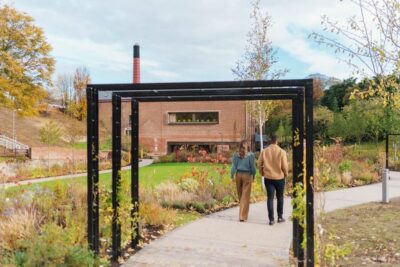
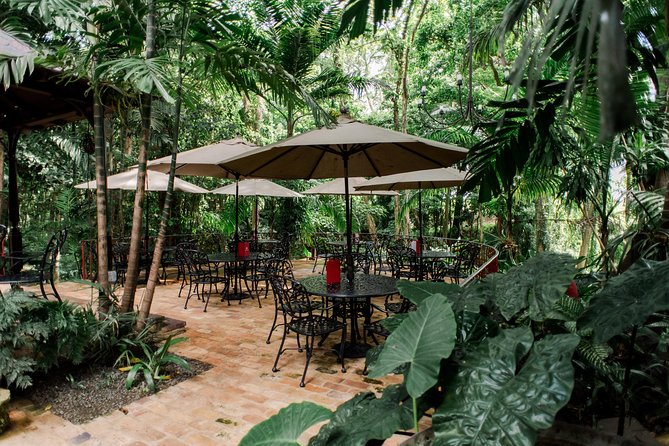
A self-directed feel is part of the appeal. You walk the grounds and move through the Great House at your pace, so you can pause when something catches your eye. In particular, the gardens and calmer spaces give you a break from “tour mode.” That sounds minor, but it’s not. After you’ve been looking at tools, documents, and historical objects, you’ll appreciate having a place to reset your brain.
What I also like is that the story doesn’t trap you in one mood. The house side is reflective—artifacts, architecture, the way rooms are arranged. Then the plantation side shifts toward machinery and production. That contrast keeps things from feeling like a single long lecture.
If you’re the type who likes taking photos, this is a good spot for it. Just don’t let the camera steal your attention completely; the artifacts you can zoom in on are often the least interesting ones. The real value comes from seeing how the rooms connect to the plantation workflow outside.
The Vintage Film Intermission: Plantation Life on Screen
Right after you’re oriented around the house, you’ll get a 1930s-era plantation film. Some showings are associated with a family video dated to 1937, but the key point is the same: it’s not a modern documentary. It’s a period piece that helps you picture what “plantation life” meant in the rhythm of daily work and seasonal cycles.
This film is worth it because it fills gaps. Even if you know the broad story of sugar in the Caribbean, a short on-screen view helps you connect the human side to the machines you’ll see next. It’s also a nice reset if you’re traveling in the heat and want a seated moment without losing your spot in the tour flow.
I’d treat the film as your “story anchor.” After it, you’ll understand why the syrup-making steps matter and what to watch for in the steam mill area.
Syrup Factory and the C. 1890 Working Steam Mill
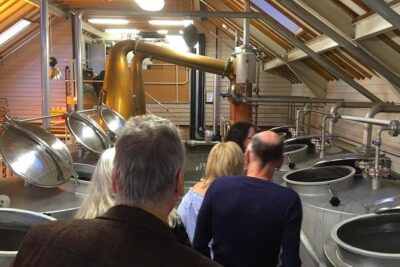
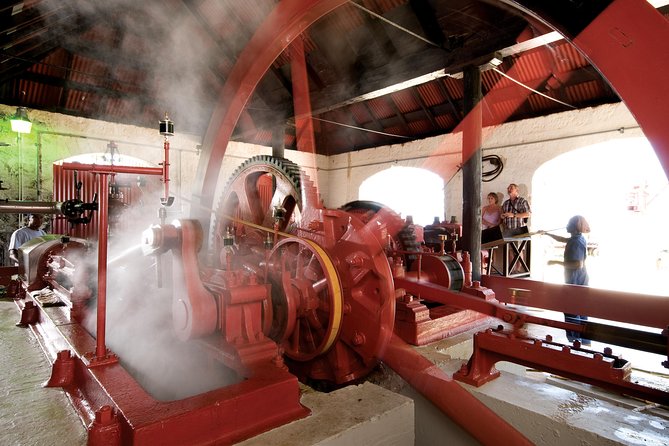
Then you move into the production world. One of the most compelling parts of the visit is the syrup factory with a working steam mill dating to about c. 1890. This is where St. Nicholas Abbey starts feeling less like a museum and more like a window into a real industrial process.
You’re not just looking at a static display. The idea is to show you how sugarcane got processed and turned into syrup as part of the plantation economy. In practical terms, it gives you a framework for understanding why Barbados became famous for sugar and how that work shaped everything around it—labor, wealth, and landscape.
One thing to know: the production elements can be visually busy. If you’re the type who likes to read every sign, you might feel pulled in ten directions. Instead, watch for the flow: what goes in, what happens next, and what the end product is supposed to be. The better you understand the sequence, the more rewarding the whole experience becomes.
Rum Distillery Tour: Cane to Bottle (Plus a Complimentary Drink)
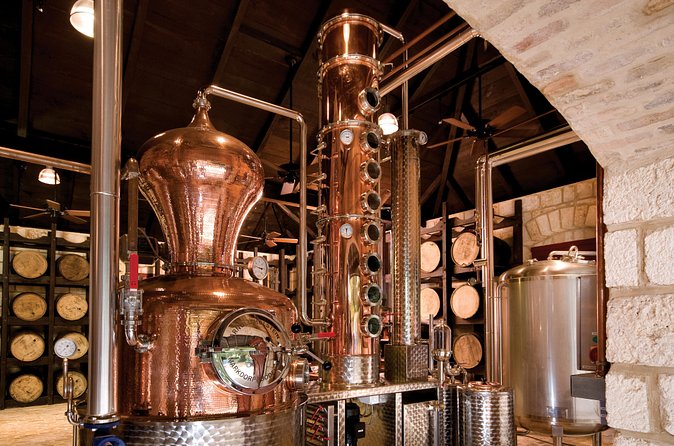
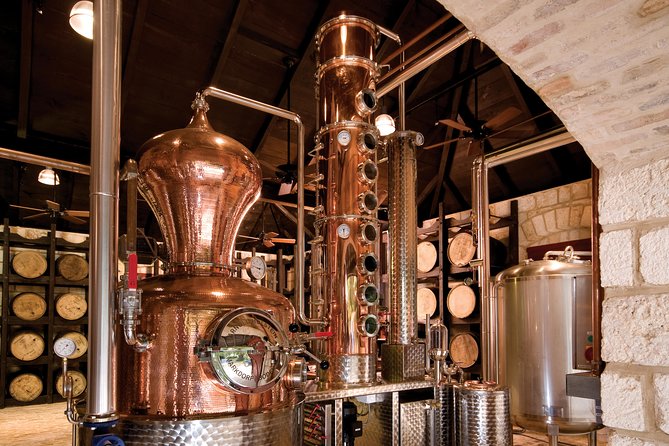
The tour transitions naturally into rum, and this is the part that many people come for. At the rum distillery, you’ll see how rum is made from canes to bottle—the big-picture stages that turn a raw ingredient into the spirit most people recognize.
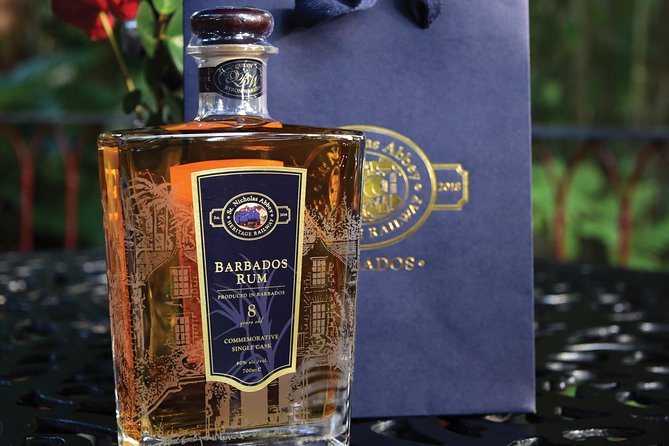
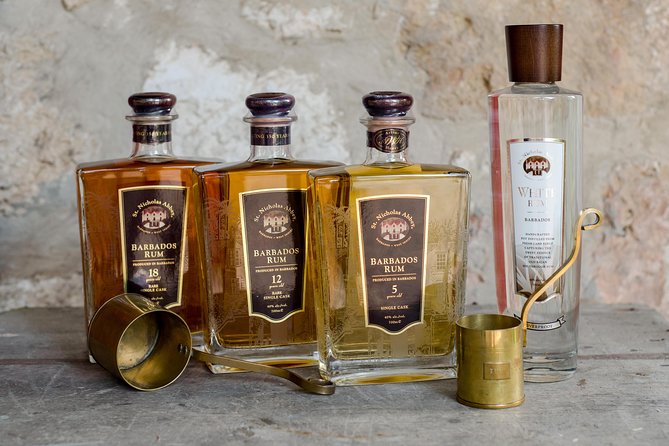
And yes, there’s a rum tasting included, plus a complimentary drink. The tasting portion is where the tour usually becomes fun in a very real way: you stop thinking only about history and start connecting that history to something you can actually taste.
From the guides and hosts featured at the tasting, I’d expect plenty of talk around the differences between rum styles and how aging affects flavor. In particular, I’ve heard stories connected with Simon Warren and other hosts, which adds a personal touch—this isn’t just reciting a script.
A small caution, though: some people find the tasting time brief. That doesn’t mean it’s bad—it means you should treat the tasting as an introduction. If you want a long, slow rum session, you might enjoy extending the visit after the tour stops rather than expecting the tour itself to be a full-on tasting seminar.
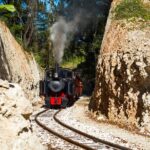
Should You Add the Train Ride? A Quick Practical Take
The property also has a vintage steam railway option. Some visitors skip it, others treat it as a highlight because it’s a low-effort way to see more of the grounds and enjoy the machinery vibe without over-walking.
If you’re deciding on the fly, use this rule of thumb: if you’re on your feet all day already, the train ride can be a relief. If you’re energetic and want more movement, then skip the train and focus on the house and distillery.
Also, timing matters. There’s a useful tip if you’re using a taxi: ask your driver to pick you up with enough buffer time if you’re hoping to fit in both the distillery tour portion and the train ride. These sites can run on a schedule that makes late pickups annoying.
Food Stops: Gift Shop, Terrace Café, and Lunch Potential
You’ll find a gift shop and a terrace café associated with the tour experience. Even if you don’t plan a full meal, it’s a good option for a coffee or a relaxed snack right after the tasting.
Some visitors have enjoyed lunch on the patio and pairing it with rum punch. If you have the time, this is the moment to do it. Don’t cram lunch right before the most “story heavy” segments (house + film). You’ll enjoy meals more when your brain is less overloaded.
Price and Value: Is $45 Worth It?
At $45 per person, this isn’t a bargain-basement add-on. But it also isn’t just a quick photo stop. You’re paying for a mix of three things:
1) A historic house and museum walk (with artifacts spanning multiple eras)
2) A production-focused look at sugar processing via syrup factory + steam mill
3) A rum distillery visit with tasting and a complimentary drink
That combination is where the value sits. Many tours on Caribbean islands deliver either history or rum. Here, you get both, plus the pacing tools like the film and quiet garden time.
Where the value can feel uneven is if you were expecting a longer rum tasting or lots of free time. If you’re the type who wants only the distillery and wants it to be extended, you may feel like the tour’s tempo doesn’t match your ideal experience. On the other hand, if you like structured variety and you enjoy learning through a few “big moments,” $45 can feel like a fair trade.
Duration runs roughly 45 minutes to 1.5 hours depending on how you move and what you choose to linger on. Go in with that range in mind and you’ll be happier.
Who This Tour Is Best For (and Who Might Skip It)
This is a strong match if you want a compact but varied tour: plantation-era history, sugar machinery context, and rum in one outing. It’s also a good fit for couples, solo travelers, and small groups because the group size tops out around 25, so it’s not a chaotic stampede.
You’ll also like it if you enjoy having moments to reflect—like the gardens—instead of being rushed from room to room.
You might consider skipping or pairing it with another activity if:
- You want a long, deep rum tasting session
- You’re only interested in rum and not in the historical house or sugar production context
- You’re the kind of traveler who needs lots of open time between segments
FAQ
How long does the St. Nicholas Abbey Heritage Great House and Rum Distillery Tour take?
It runs roughly 45 minutes to 1.5 hours, depending on how long you spend in each area.
What does the tour include?
You’ll visit the Great House and House Museum, watch a vintage plantation film, see the syrup factory with a working steam mill, then tour the rum distillery with a rum tasting and a complimentary drink.
Is it self-guided or guided?
You walk through the site and explore the house, and the experience includes guided components tied to the main story stops and tasting.
Where does the tour start and end?
It starts at St Nicholas Abbey, St Peter, Barbados and ends back at the same meeting point.
How much is it?
The price is $45.00 per person.
Are there any options for shopping or food?
Yes. There’s a gift shop and a terrace café on the site.
Can I cancel for a full refund?
You can cancel for free up to 24 hours in advance for a full refund.
Are service animals allowed?
Yes, service animals are allowed, and most travelers can participate.
Should You Book It?
If you’re visiting Barbados and you want one experience that connects house history, sugar production, and rum without needing a full day, I’d book it. The best part is the way the visit moves from rooms and artifacts to machines to tasting—so you leave with more than just a souvenir.
If you’re a rum purist who wants lots of tasting time, consider planning other downtime for afterward. But if you like learning through a few well-chosen stops—and you enjoy seeing how the island’s past turns into something you can taste—this is a solid value at $45.