REVIEW · SALT LAKE CITY
Salt Lake City: Spirits of the Wasatch Distillery Tour
Book on GetYourGuide →Operated by Spirits of the Wasatch · Bookable on GetYourGuide
Copper stills and coffee liqueur in one hour. At Spirits of the Wasatch, I like the up-close tour of the distillery and the guided tasting that shows off gold-medal-winning bottles like gin, whiskey, and coffee liqueur. It’s a smart way to understand what makes spirits smell and taste the way they do.
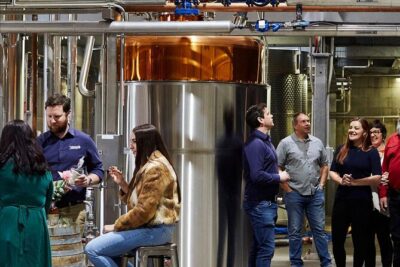
You get a small, private setup limited to 10 people, so the guide can actually pause for questions as you move through the production space. Expect to see copper stills and oak aging barrels, then learn the practical science behind distillation using tools like refractometers and hydrometers.
One thing to consider: the experience is not suitable for people under 21, and those who are under 21 with a guardian may not be preset during the tasting.
In This Review
- Key things to watch for
- Copper Stills, Oak Barrels, and the Distillery’s Quiet Corners
- How the 45–60 Minute Flow Really Feels
- The Distillation Lesson: From Raw Materials to Precision Tools
- Hidden Corners: Stills, Aging, and the Smell of the Process
- Sensory Tasting by Distilling Phases
- Gin, Whiskey, and Coffee Liqueur: Gold Medal Payoff
- Price and Value: Why $20 Works Here
- Who This Tour Fits Best
- Should You Book Spirits of the Wasatch?
- FAQ
- How long is the Spirits of the Wasatch Distillery tour?
- How much does the tour cost?
- Is it a small group?
- Is transportation included?
- Where do I meet for the tour?
- What’s included in the experience?
- Can people under 21 attend?
- Is the tour wheelchair accessible?
Key things to watch for
- Small private group (max 10) keeps the explanations focused instead of rushed
- Copper stills and oak barrels give you real visuals for what the guide is explaining
- Instruments like refractometers and hydrometers make the science feel usable, not theoretical
- Sensory tasting tied to distilling phases helps you notice subtle aroma differences
- Gold Medal gin, whiskey, and coffee liqueur give you a clear payoff at the end
Copper Stills, Oak Barrels, and the Distillery’s Quiet Corners
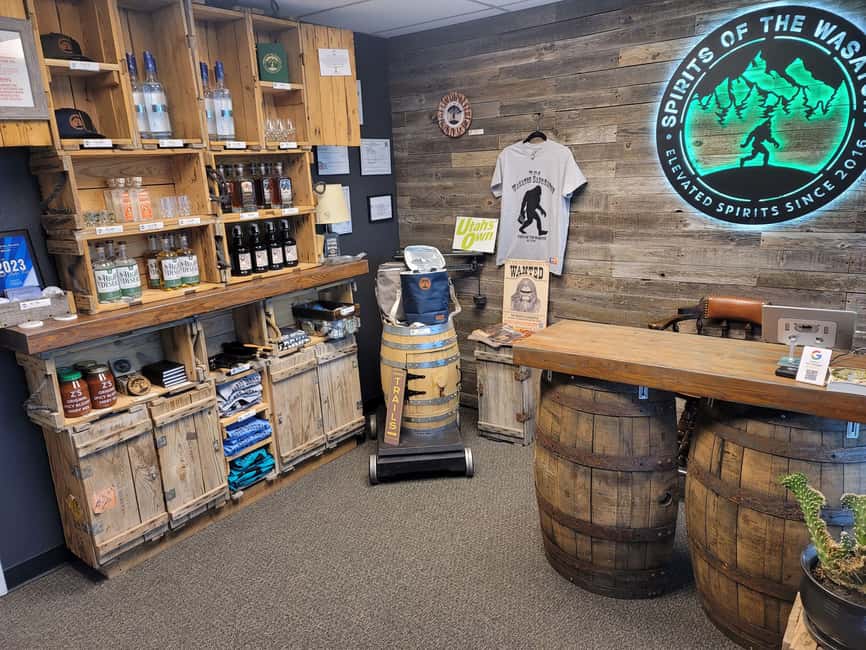
This tour works because it’s built around what you can actually see and smell. You start at the Spirits of the Wasatch Gift Shop in Building 5 of Broadbent Business Park, then you’ll move through the distillery with a guide who talks through the craft in plain language. The vibe is friendly and hands-on, the kind where you feel comfortable asking what something is or why they do it a certain way.
What I like most is the tour doesn’t only point at a single machine and call it done. You get access to the hidden corners of a working distillery, where the guide can connect the dots from ingredients to the still to the final spirit. Along the way, you’ll notice gleaming copper stills—the heart of the operation—and you’ll also see dusty oak barrels that signal where aging and flavor development come in.
You’ll also get the air-school part of distilling. During production, aromas can change quickly, and the guide uses that to help you understand what’s happening. If you’ve ever wondered why one spirit smells sharper, warmer, or more aromatic than another, you’ll get real examples of how distillation timing and separation impact what ends up in the glass.
Possible drawback to keep in mind: you need to be 21+ for the tasting portion. It’s the one rule that can change plans quickly if you’re traveling with younger family members.
How the 45–60 Minute Flow Really Feels
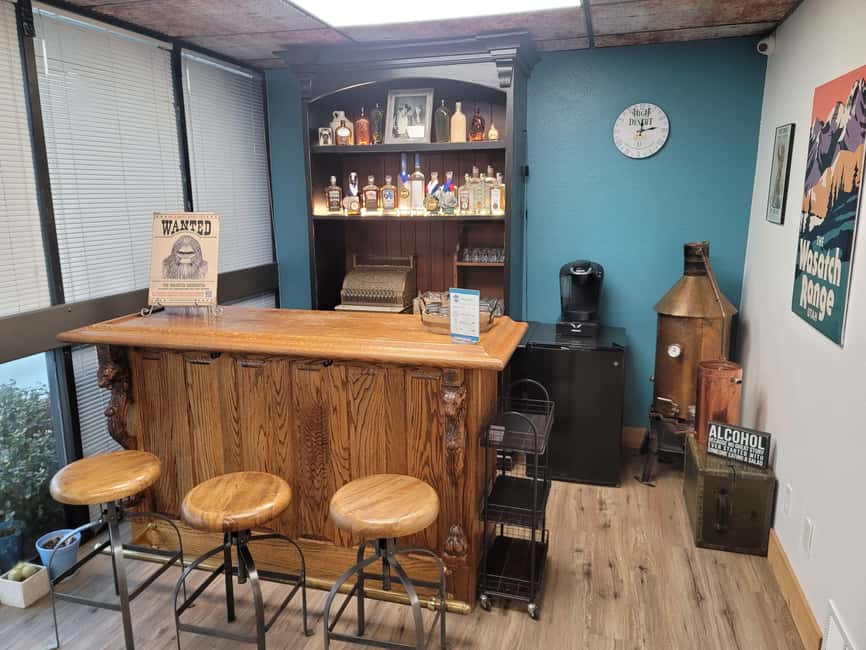
The tour runs between 45 minutes and 1 hour, which is long enough to learn and taste, but short enough to fit into a typical Salt Lake City day. You’re not stuck for half a day inside a museum. Instead, you move from explanation to observation to sensory work, and the pacing stays tight.
You’ll be walking and standing during the experience. Stools are available on request, which helps if you want to watch closely without tiring out. That matters on a tour like this, because the best moments often happen when you’re stationary—looking at a still, watching where a guide points, then smelling the difference they’re talking about.
Group size also changes the quality of the experience. With the tour limited to 10 participants, the guide can adapt the pace. If you’re more curious about the “why” than the “how,” you’re more likely to get that answer in the moment rather than hearing a generic explanation for everyone.
The Distillation Lesson: From Raw Materials to Precision Tools
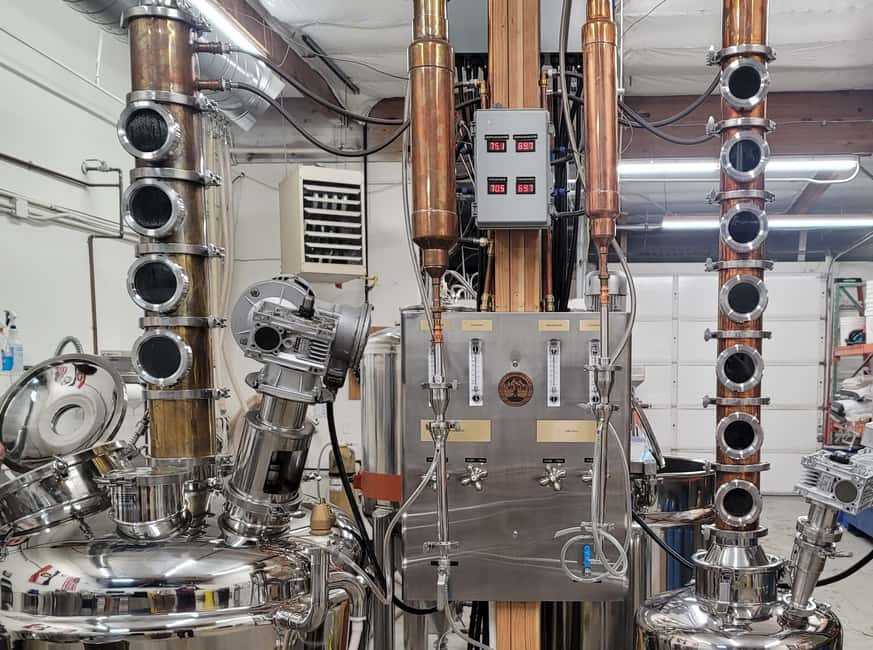
What makes this tour more valuable than a standard look-and-learn is that it includes the practical side of precision. You’re not only hearing the romantic version of distilling. You’re learning how distillers monitor and adjust so the spirit stays on track.
The guide talks through the theoretical underpinnings that govern the process—things like selecting raw materials and fine-tuning distillation techniques. Then the tour gets more concrete with scientific instruments used for testing and control.
Two tools you’ll hear about are refractometers and hydrometers. Even if you’ve never seen either in person, you’ll understand why they matter. Distillation isn’t guesswork. It’s measurement and repeatability, and that’s where these devices come into play—checking key properties so the run stays consistent.
You’ll also get a glimpse of production and testing procedures. That part is useful even if you don’t plan to become a distiller. It shows you how craft spirits still rely on discipline. The result is that when you taste at the end, you’ll have context for why one bottle smells like a different category of aromas than another.
If you enjoy science, this is where you’ll feel the tour “click.” If you don’t, the guide’s job is to keep the science grounded in what you can taste. Either way, it’s a strong payoff: you leave with a clearer mental map of how distillation turns ingredients into something specific.
Hidden Corners: Stills, Aging, and the Smell of the Process
A big part of this tour is visual and sensory. You’ll see the copper stills up close, which is more than aesthetics. Copper matters in distilling, and seeing it helps you understand why the guide spends time discussing the equipment. When you can point at what you’re hearing about, the explanation sticks.
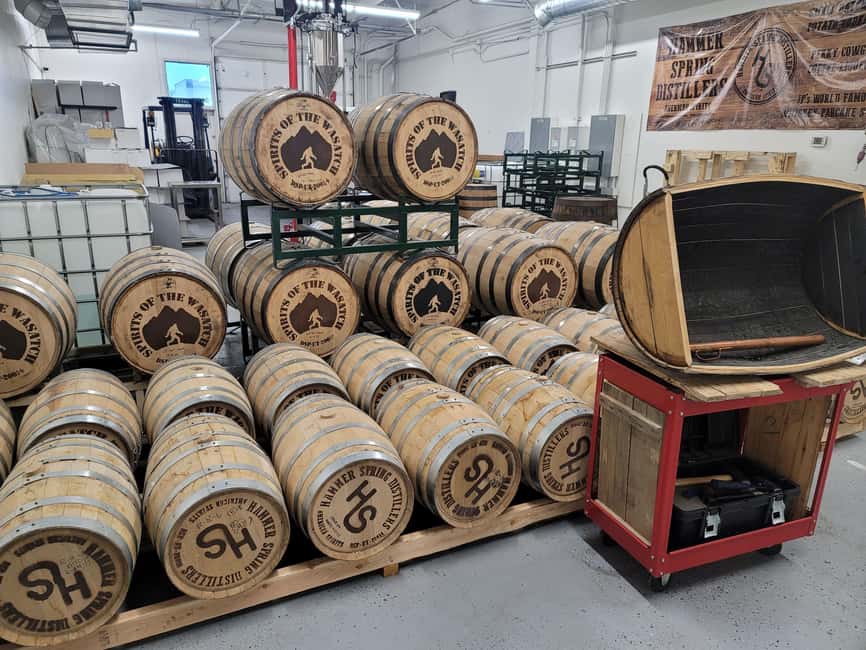
Then you’ll shift to the aging side with oak barrels. That’s the stage where many flavors start to broaden and soften. The guide’s discussion helps you connect why the same base spirit can develop different character depending on aging choices and handling.
The most memorable moments often come when the guide uses the space itself to teach. For example, you might notice how aromas in a distillery aren’t constant. They can shift depending on what stage the operation is in, and that makes it easier to understand the idea of separation during distilling runs.
You’ll also get to experience the tour through the nose and senses, not just your eyes. That sensory component is handled thoughtfully, and it helps you move beyond calling a spirit simply smooth or strong. Instead, you’ll start recognizing patterns: where warmth shows up, where sharper notes appear, and how aromatic balance can feel different from bottle to bottle.
Sensory Tasting by Distilling Phases
After the tour portion, the program focuses on how the spirit changes across phases of the distilling process. That’s a smart way to teach because it mirrors what you can do at home: compare, notice, and adjust expectations.
The guide walks you through a sensory experience distinguishing the phases of distilling runs. You’re likely to smell and compare the character of what’s produced at different stages. This isn’t random sipping. It’s structured to show how distillation decisions influence flavor and aromatics.
That’s the lesson you’ll carry forward when you buy spirits later. Instead of buying based only on label or marketing, you’ll have a vocabulary for what you’re actually detecting—especially in botanicals like gin and in richer profiles like whiskey.
Then you finish with a guided tasting of the entire product line. This is where the tour earns its ending. You get to connect what you saw and learned to a lineup that includes multiple styles, not just one safe example.
Gin, Whiskey, and Coffee Liqueur: Gold Medal Payoff
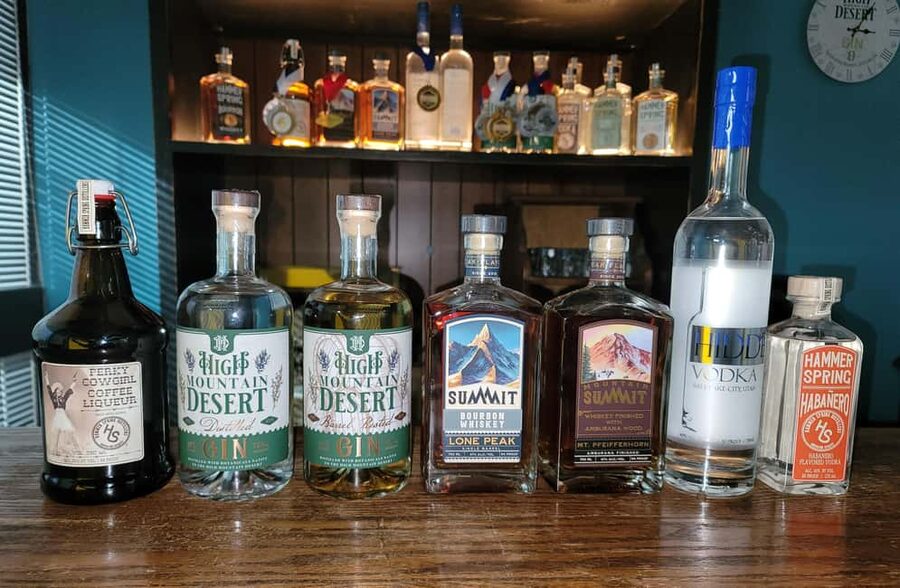
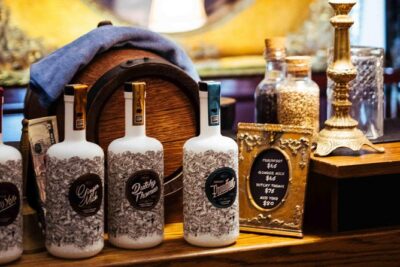
The tasting payoff is very clear: you’ll sample the distillery’s products, including Gold Medal winning gin, whiskey, and coffee liqueur. Even if you’re not normally a spirits person, that awards track record gives you a solid reason to pay attention to the differences in how they’re made and balanced.
The distillery’s competition results are also part of the story: in 2024, they earned 7 gold medals and 3 double gold medals. That level of recognition won’t guarantee you’ll love every bottle, but it does tell you the house has found consistent quality. It also suggests their products have something more specific going on than just being drinkable.
During the tasting, you’ll likely notice how aromatic emphasis differs across categories:
- Gin tends to lean into botanical character and crisp aromatics.
- Whiskey often brings warmth and depth, where aging and separation feel obvious.
- Coffee liqueur shifts the conversation toward sweetness, aroma, and how the coffee note blends with alcohol.
Because the tour also covers the measurement side of distillation and the sensory differences across phases, tasting stops feeling like a reward-only moment. It becomes part of the lesson. You’ll be tasting with a mental map of why each bottle lands where it does.
Price and Value: Why $20 Works Here
At $20 per person for about an hour, this tour feels like value because it includes the key ingredients most cheap tours miss: access, teaching, and tasting.
You’re not just paying for entry to a building. You’re paying for:
- an exclusive, private tour format (small group, limited to 10)
- guided tasting of the entire product line
- practical explanation of scientific instruments used in distillation
- hands-on sensory experience with distilling phases
If you love food and drink learning, $20 for a guided, structured tasting can be a good deal—especially in a city where you may find tastings that either cost more or offer less guidance. Even if you’re a casual drinker, the tasting helps you decide what you’d actually buy later, instead of taking a blind leap.
The other value piece is time. One hour is manageable. You can pair it with other nearby Salt Lake City stops without your day turning into a spreadsheet of reservations.
One note: transportation to and from the distillery isn’t included. If you’re relying on ride share or parking, factor that in so you don’t end up rushing.
Who This Tour Fits Best
This is a great fit if you like learning with your senses. You’ll appreciate the science explanation, but the bigger win is that the tour teaches you how to notice differences while tasting.
You’ll probably have the most fun if you:
- like artisanal food and drink experiences
- want a step-by-step look at how spirits get made
- enjoy small-group settings where questions get answered
- want an easy, one-hour activity with a clear payoff
It’s not the best fit if you’re under 21, since the tasting portion is not suitable for under-21 participants. Also, because there’s walking/standing involved, you’ll want to plan for that even though stools are available on request.
Should You Book Spirits of the Wasatch?
I’d book this if you want a focused, small-group distillery tour that actually explains the process and ends with a guided tasting of standout spirits. The combination of copper still viewing, scientific instruments like refractometers and hydrometers, and a structured tasting across distilling phases is what makes it worth your time.
Skip it only if your group needs a child-friendly, under-21 tasting option, or if you need a fully seated experience without any standing.
If you’re spending a day in Salt Lake City and you want something local, hands-on, and tied to real craft production, this tour is an easy “yes” with a clear reason: you leave understanding what you tasted.
FAQ
How long is the Spirits of the Wasatch Distillery tour?
The tour lasts between 45 minutes and 1 hour.
How much does the tour cost?
It costs $20 per person.
Is it a small group?
Yes. The group is limited to 10 participants.
Is transportation included?
No. Transportation to and from the distillery is not included.
Where do I meet for the tour?
You meet at the Spirits of the Wasatch Distillery Gift Shop, located in Building 5 of Broadbent Business Park.
What’s included in the experience?
You get an exclusive private tour plus a guided tasting of the entire product line, along with practical insights into scientific instruments used in distillation and engagement in production and testing procedures.
Can people under 21 attend?
People under 21 are allowed only with a guardian, but they may not be preset during tasting. The experience is not suitable for people under 21.
Is the tour wheelchair accessible?
Yes, it is wheelchair accessible.