REVIEW · QUEBEC CITY
Quebec City: Honey and Distillery Tour with Tasting
Book on GetYourGuide →Operated by Apikol - Distillerie de Quartier · Bookable on GetYourGuide
Honey, bees, and spirits under one roof. At Apikol in Quebec City’s Saint-Roch area, you get a close-up look at a live all-season hive while a co-owner guides you through how honey turns into mead and fine spirits. I especially like how the tour is hands-on and owner-led, with real-world beekeeping and distilling explained in plain language.
You’ll also leave with a three-product tasting focused on 100% local honey drinks, including an effervescent mead option. The main thing to consider is that the bee portion is indoors and runs about 45 minutes, so it’s not a quick peek-and-go if you prefer lots of outdoor time.
In This Review
- Key Points You Should Care About
- Apikol in Saint-Roch: A City Farm Built for Honey Lovers
- The Live All-Season Bee Hive: Watch Bees Work Up Close
- What to watch for (without needing bee-nerd homework)
- From Honey Extraction to Fermentation: Turning a Sweet Ingredient into a Process
- A note on staying engaged
- Distillation, Ageing, Formulation, Bottling: Spirits With a Honey Root
- The Short Tasting: Three Honey Drinks and a Real Chance to Compare
- How to taste smarter in just 15 minutes
- If you’re traveling with non-drinkers
- Eco-Friendly Urban Beekeeping: Small Footprint, Big Intention
- Who This Tour Is Best For (and Who Might Not Love It)
- Consider skipping if…
- Practical Tips Before You Go
- Should You Book Apikol’s Honey and Distillery Tour?
- FAQ
- How long is the tour?
- What does the tour cost?
- Where do I check in?
- Is this tour indoors?
- How large is the group?
- What do I taste during the tour?
- What’s the policy for visitors under 18?
Key Points You Should Care About
- Live indoor hive viewing all season, so winter visits still feel active and fresh
- Owner-led guidance from a co-owner who’s both a beekeeper and a distiller
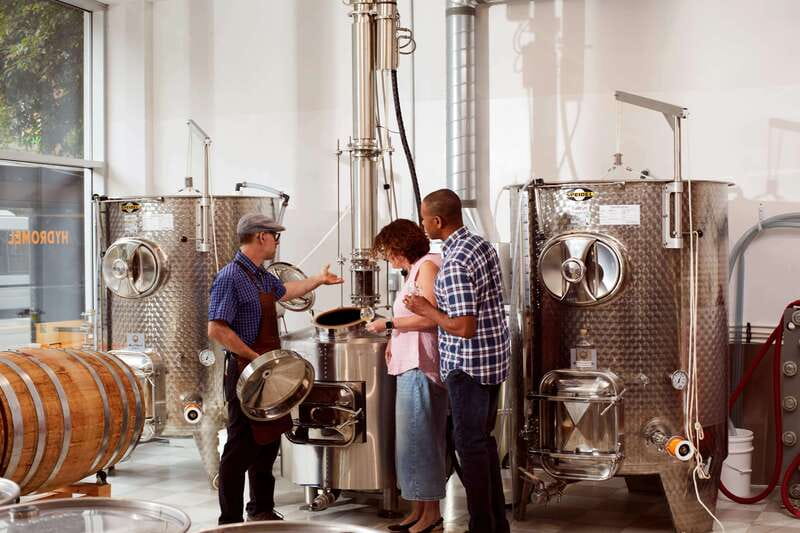
- Honey-to-bottle workflow, covering extraction, fermentation, distillation, ageing, and bottling
- Tasting three local products at the end, with effervescent mead among the options
- Small group size (max 8), which keeps questions from getting lost
Apikol in Saint-Roch: A City Farm Built for Honey Lovers
Apikol is an urban distillery and meadery right in downtown Quebec City, in the Saint-Roch district. What I love about the setup is how intentionally it’s packed into one place: a honey house, a mead house, a distillery, and a tasting area all under the same roof. That means you’re not hopping around town just to get the full story of honey turning into something you can sip.
If you’re visiting Quebec City in cooler months, this is a big deal. You get bees and production learning without braving wind and snow. And because it’s an indoor tour, you’re not at the mercy of outdoor conditions or changing hive access.
One more practical note: the experience is designed for small groups (limited to 8). That matters here. When you’re watching bees closely, and when your guide is explaining fermentation, distillation, and formulation, a smaller room makes the whole thing feel more personal instead of rushed.
The Live All-Season Bee Hive: Watch Bees Work Up Close
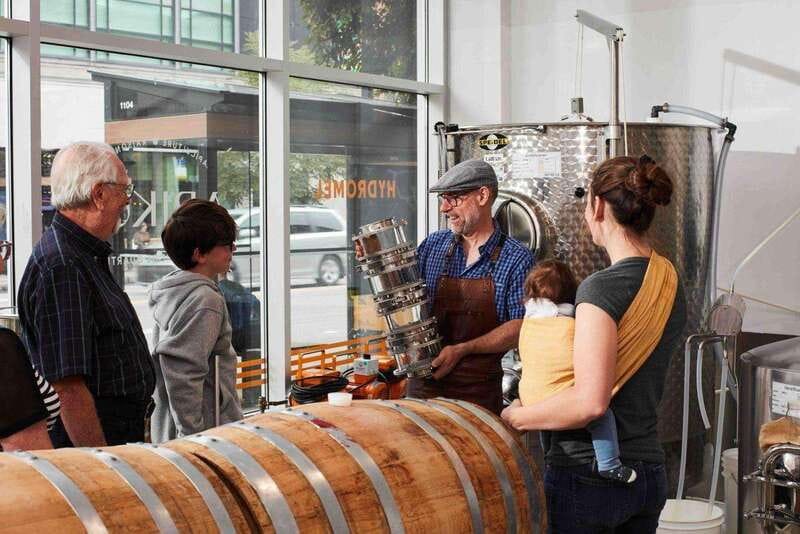
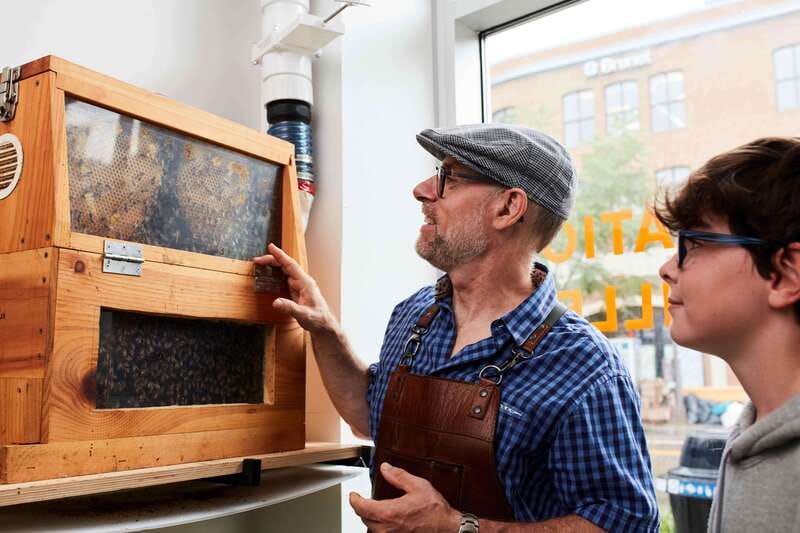
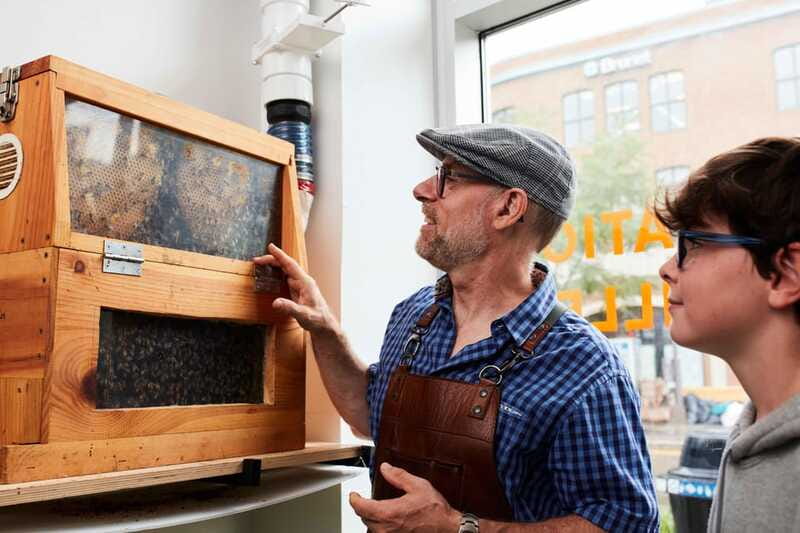
The heart of the tour is the bee viewing. You’ll spend time in an indoor observation area watching a live small all-season hive. The magic is that it’s not a static exhibit. You’re observing behavior in real time, which makes all the talk about bees actually make sense.
Your guide (often a co-owner who’s also a beekeeper and distiller) explains what you’re seeing. Expect explanations around how the hive functions and what beekeepers are looking for when they manage the colony. The vibe here is part science lesson, part storytelling, and part curiosity-fuel. In some guided experiences, it’s easy to tune out. Here, the bees keep pulling your attention back.
I’d also pay attention to the little human details the team shares. One review mentioned looking for a bee named Paulette—small personal touches like that are a sign this place isn’t just a business running on scripts. It’s run by people who genuinely work with their bees.
What to watch for (without needing bee-nerd homework)
You don’t need to know anything going in. Just use your eyes:
- Look for how bees move through their roles in the hive area you can observe.
- Notice feeding and activity patterns your guide points out.
- Ask questions if you’re unsure what you’re looking at—this tour is built for that.
From Honey Extraction to Fermentation: Turning a Sweet Ingredient into a Process
After the hive viewing, the tour moves into how honey becomes fermented beverages. This part matters because it’s where a lot of people’s mental model breaks. Many folks think mead and spirits are just honey plus time. The reality is more step-by-step than that, and that’s exactly what you’ll hear about.
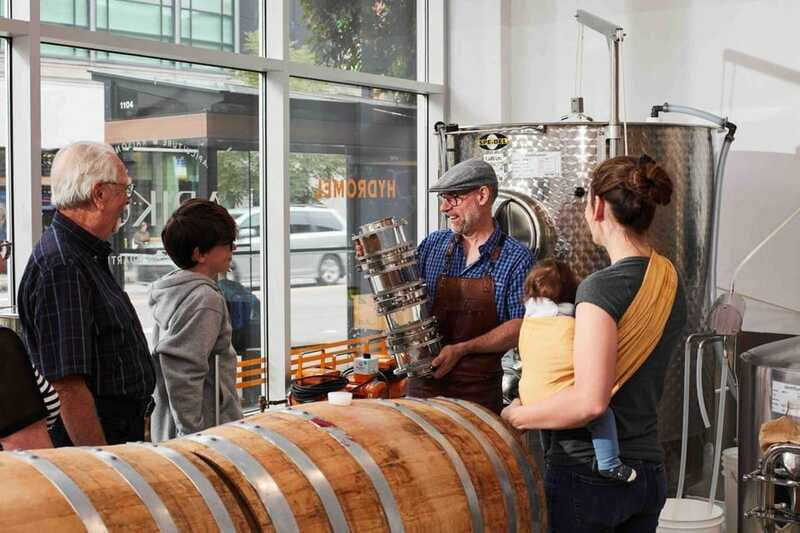
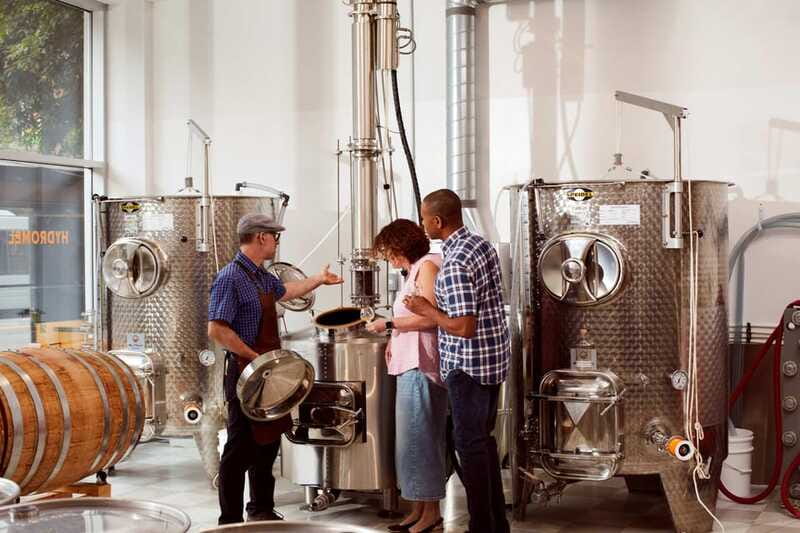
You’ll get a guided walkthrough that covers the chain from honey extraction to fermentation, and then forward into distillation. The guide explains the interpretation of the bee world too, but the production focus becomes the main story: the hive is where the ingredient starts, and the distillery is where the ingredient gets transformed.
Here’s what I found useful as a visitor: you’ll learn how artisanal production works at a scale that feels human. You’re not treated like a spectator watching a factory from behind glass. You’re taken through the logic of each stage—what it changes, and why it’s worth caring about.
A note on staying engaged
The bee portion and the production portion are both explained indoors. If you prefer constant movement, the tour might feel a bit “classroom-like” at moments, especially during the longer bee-hive interpretation segment (around 45 minutes). That’s not a deal-breaker, but if you hate sitting still, just plan for it.
Distillation, Ageing, Formulation, Bottling: Spirits With a Honey Root
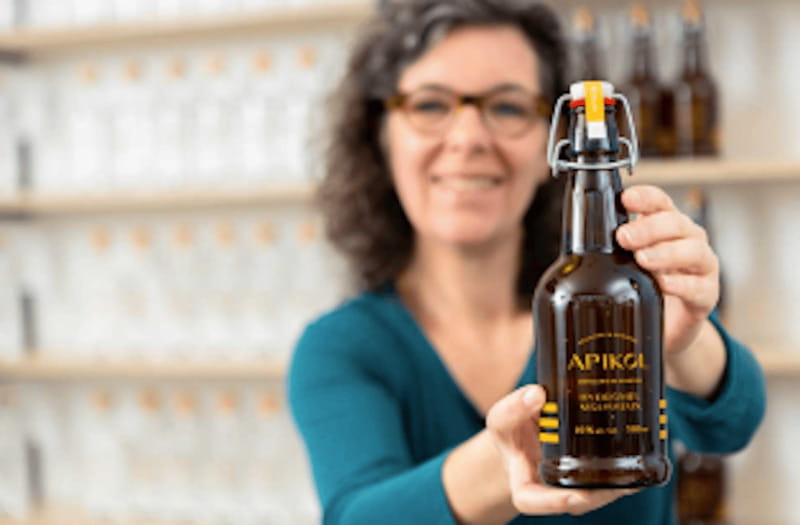
The next section focuses on how the distillery processes honey into spirits. In plain terms, you’ll hear about the path from fermentation to distillation, and how products then move through ageing, formulation, and bottling.
This is the part that makes Apikol more than a novelty honey stop. It connects two worlds you might not expect to mix:
- beekeeping (the living system)
- distilling (the controlled transformation)
During this phase, your guide will also point out the kinds of spirits and styles the operation produces. Reviews mention favorites such as gin, vodka, and eau-de-vie, along with mead. Even if your exact tasting list differs that day, the emphasis stays consistent: these are not random honey-flavored drinks. They’re made with honey at the center of the process.
If you’re the type who likes to bring home more than souvenirs, this portion gives you a vocabulary for what you’re tasting later. You’ll understand why a drink can feel light and floral, why something can taste more grainy or spirit-forward, and why honey’s role changes depending on production choices.
The Short Tasting: Three Honey Drinks and a Real Chance to Compare
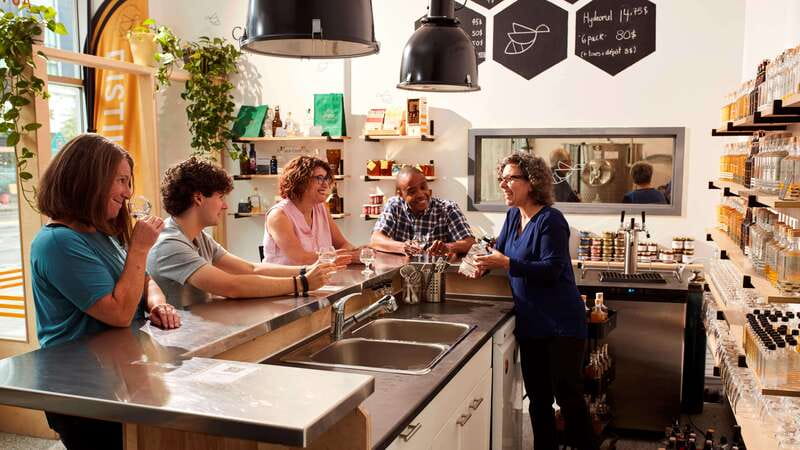
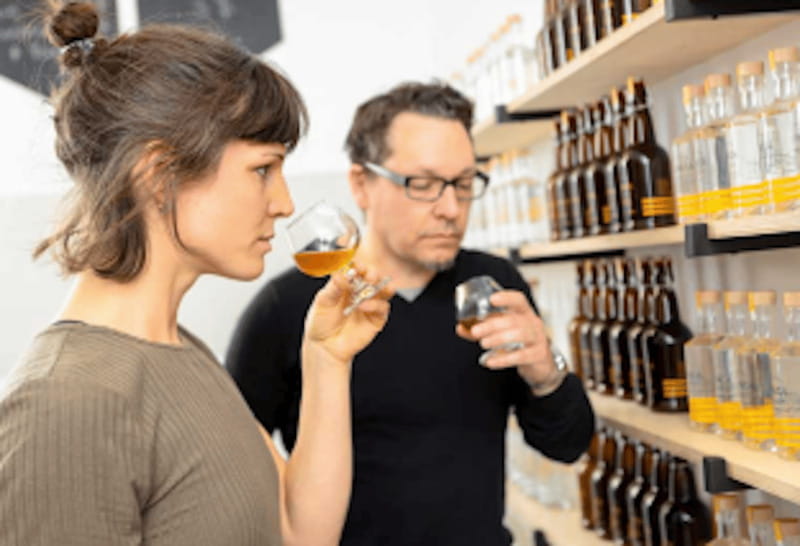
Tasting is where everything clicks. The tour ends with a guided tasting of three products—meads and spirits—with explanations from an in-house expert. One highlight is the effervescent mead, and there’s also mention of adding the other products for a small supplement if you want to sample more.
This tasting format is short by design. You’re not settling in for a long wine-class experience. Instead, you’re sampling, comparing, and learning the essentials quickly. For me, that’s a good fit for an hour-long experience: you get the story plus enough time to taste without feeling stuck.
How to taste smarter in just 15 minutes
You’ll have limited time, so here are simple moves that work:
- Start by noticing aroma first, before you sip. Honey-based drinks can shift a lot in scent.
- Take a sip, then ask yourself if it feels more honey-led or spirit-led.
- Use the guide’s explanations as a checklist: sweetness, fermentation character, and how the spirit carries the honey.
If you want a little extra sweetness at the end, there’s an optional angle here too: you can end your tasting with pure and fresh honey harvested from a hive in the city, if available and if you choose.
If you’re traveling with non-drinkers
Visitors under 18 get a non-alcoholic beverage. That’s helpful if you’re traveling as a family or have mixed-age travel buddies.
Eco-Friendly Urban Beekeeping: Small Footprint, Big Intention
A big part of the experience is the eco-friendly project and the emphasis on maintaining a small ecological footprint. The team frames their work as an urban agriculture effort: bees live in the city, honey becomes the raw material, and production is organized around reducing waste and making thoughtful use of what the bees provide.
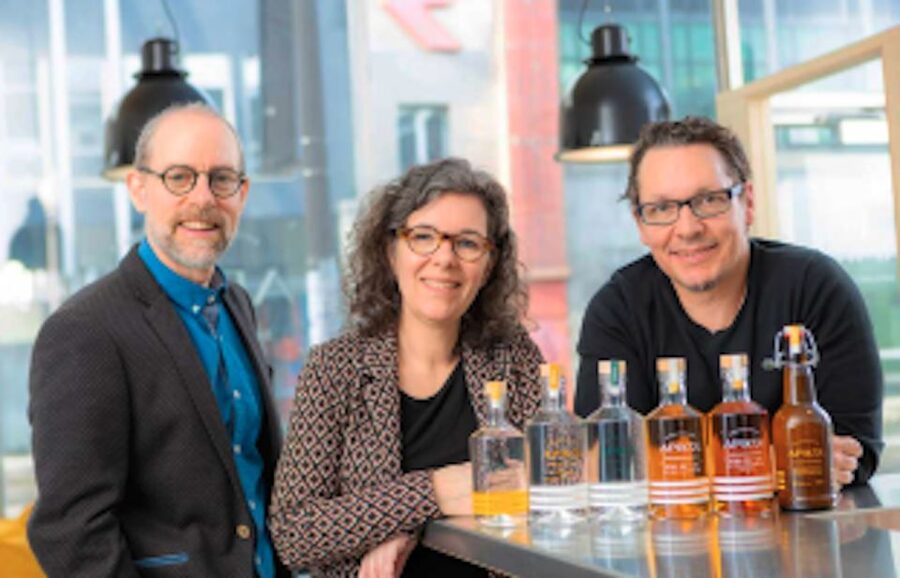
You also get to talk with the owners during the experience. In reviews, that friendly Q&A comes up again and again. People highlight how easy it is to ask questions and how willing the staff are to share. That makes the eco angle feel grounded instead of like a slogan.
This is the kind of tour that works especially well if you want something authentic in Quebec City that isn’t just a standard museum stop. You’re not only learning about sustainability. You’re seeing it in action—bees in the hive, honey in the workflow, and finished bottles at the end.
Who This Tour Is Best For (and Who Might Not Love It)
I’d say this tour fits best if you like:
- hands-on, explanation-heavy experiences
- food and drink made from a specific ingredient story
- small-group activities where you can ask questions
- Quebec City in cooler months, when indoor options are a relief
It’s also a good choice if you’re a curious traveler who wants to connect local production with a living system. The beehive portion makes that connection real.
Consider skipping if…
If you strongly prefer outdoor sightseeing and lots of walking, an indoor tour may feel too stationary. And if you get impatient with longer seated segments, the bee interpretation portion can feel like a “proper” tour rather than a quick stop (even though it stays under an hour).
Practical Tips Before You Go
- Go with a curious mindset. This tour rewards questions, not just listening.
- Plan for indoor time. It’s all under one roof, so dress for warmth if you’re coming in from cold weather.
- If you care about language, the tour is offered in French and English, so choose the slot that matches your comfort level.
- Bring a small sense of humor. Several guides come across as playful and engaging, and the vibe helps the learning stick.
Should You Book Apikol’s Honey and Distillery Tour?
I think you should book this tour if you want a unique Quebec City experience that’s small-group, owner-led, and built around something you can’t easily replicate elsewhere: watching bees live indoors and then tasting the honey-based products that come from that work.
It’s also good value for the basics you get: bees, the production walkthrough (extraction through distillation and bottling), and a guided tasting of three locally sourced beverages for $21. If you’re hoping for a long tasting session or lots of outdoor scenery, this isn’t that. But if you want an hour that mixes nature, craft, and drink you can actually compare, Apikol is a smart pick.
FAQ
How long is the tour?
The tour runs for about 1 hour.
What does the tour cost?
It costs $21 per person.
Where do I check in?
Check in at the distillery front desk and let them know you booked a distillery tour.
Is this tour indoors?
Yes, this is an indoor tour.
How large is the group?
It’s limited to a small group of up to 8 participants.
What do I taste during the tour?
You taste three products (meads and spirits). Effervescent mead is included, and there may be options to add the others for a small supplement.
What’s the policy for visitors under 18?
Visitors under 18 will receive a non-alcoholic beverage.