REVIEW · EDINBURGH
Private Highland whisky tour from Edinburgh- Build your own tour!
Book on Viator →Operated by Whiskywheels Tours · Bookable on Viator
Your whisky day gets built around you. I love the choose-your-own distillery mix, and I like traveling in a fully air-conditioned vehicle with pickup so the drive stays relaxed. One catch: distillery admission and lunch aren’t included, so you’ll want to budget ahead.
This is a private tour where you and your guide shape the route around what you actually want to taste and learn. Along the way, you get time to talk with distillery staff about how whisky gets made and why water, casks, and aging matter so much.
In the best versions of this day, the driver turns travel time into stories and context. I’ve seen how guides like Mark and Euan can make the day feel friendly even if you do not drink much, while a less talkative style like Steve’s polite-but-quiet approach may leave you wanting more commentary.
In This Review
- Key things to know before you go
- Building your own Highland whisky loop from Edinburgh
- Air-conditioned pickup and the reality of Highland roads
- How long is enough for distilleries, tastings, and a real lunch break
- Your distillery menu, stop by stop
- Singleton Distillery at Glen Ord: modern malt meets major competition
- Glenmorangie Distillery: craftsmanship with anniversary pride
- Blair Athol Distillery: a gateway malt and a Bell’s link
- Dalwhinnie Distillery: high-altitude whisky plus chocolate pairings
- Edradour Distillery: small scale, slow magic
- Dewar’s Aberfeldy: marketing history meets bottling culture
- Deanston Distillery & Visitor Centre: whisky born from textile power
- Oban Distillery: small, coastal, and quietly dramatic
- Glengoyne Distillery: calm, year-round operations near Glasgow and Stirling
- The Glenturret Distillery: Perthshire’s old working distillery feel
- Tomatin Distillery Visitor Centre: convenience plus cask-strength bottle filling
- Knockdhu Distillery: Haig’s roots and worldwide single malt respect
- Balblair Distillery: generations of pride in a gentle approach
- Ben Nevis Distillery: myth, audio-visual storytelling, and a guided tasting
- The Dalmore Distillery: rare casks and coastline vibes
- Glen Garioch Distillery: the home of Glen Garioch, far east on the whisky map
- The GlenDronach Distillery: traditional sherry maturation
- Royal Lochnagar Distillery: Balmoral proximity and Cairngorm water
- Tullibardine Distillery: one hour from Edinburgh and a Blackford base
- Lunch stop at a traditional pub: use it as a reset, not just a meal
- What the tastings really mean for your day
- Price and value: is $602.23 per person fair
- Common hiccups to avoid: pickup, vehicle mix-ups, and quiet guides
- Who should book this private whisky day
- Should you book this private Highland whisky tour?
- FAQ
- FAQ
- How long is the private Highland whisky tour from Edinburgh?
- Is pickup from Edinburgh included?
- What’s included in the price?
- Are distillery admission tickets included?
- Can I choose which distilleries to visit?
- Is the tour private?
- Does the tour depend on weather?
Key things to know before you go
- Build-your-own route means you can chase specific distilleries or keep it adventurous
- Comfort matters on narrow Highland roads, with an air-conditioned vehicle and bottled water included
- Each stop is short (about 30 minutes), so you should pick places you care about
- Tastings are part of the experience, but alcohol purchases aren’t listed as included
- Glenturret and smaller distilleries often feel the most personal when you have limited time
- Confirm the day-of details so you get the exact vehicle and pickup you expect
Building your own Highland whisky loop from Edinburgh
This is not a fixed “one-size-fits-all” tour. You pick your rhythm with your guide: keep the day focused on the distilleries you’re most curious about, or let them steer you toward a style you might not know yet. That flexibility is a big deal in the Highlands, because the distance between stops can feel longer than it looks on a map.
The tour starts at 7:30 am and runs about 7 to 10 hours. In that time window, you’re usually not going to hit every single distillery on the menu. The smart move is to choose a route where the different stops actually connect: Speyside style next to a sherried style, a coastal malt after something inland, and one smaller or distinctive producer for contrast.
Price is $602.23 per person, and it’s booked about a month in advance on average. That’s a serious chunk of money, so it helps to be clear on what you want from the day: comfort and expert guidance, plus guided time inside multiple distilleries.
You can also read our reviews of more tours and experiences in Edinburgh.


Air-conditioned pickup and the reality of Highland roads
Your ride is private and air-conditioned, with pickup offered. That’s a huge relief because Highlands driving is not the calm, straight kind you might expect. Country lanes and mountain passes can demand attention, and you’ll feel better when you’re not doing the work of steering and navigating.
Bottled water is included, which sounds small until you’re sitting in a vehicle for hours. You also get a mobile ticket, which is one less thing to manage on the morning of your tour.
Here’s the practical caution from real-world experience: make sure you confirm the exact vehicle you’ll be using and how pickup is handled. Some people have had the wrong type of vehicle show up when expectations didn’t line up, and that can turn a great day sour fast. A quick check with the operator the day before can prevent the most painful version of this problem.
How long is enough for distilleries, tastings, and a real lunch break
Most distillery visits here run about 30 minutes. That means you get a guided experience, but you do not get a long, slow afternoon of standing around and chatting at every single place.
This is where the choose-your-own format shines. If you care more about understanding production, you can prioritize distilleries that feel explanation-forward. If you want memorable tastings and small-scale character, you can lean toward the producers that give you a more personal feel.
Lunch is the other pacing tool. You can choose to stop for lunch at a traditional Scottish pub, but lunch isn’t included. The upside is you can time it when it makes sense for your group instead of forcing it into the same fixed slot every day.
Your distillery menu, stop by stop
Below is the distillery line-up you can build from. Since your guide sets the final order, think of these as your options: each one has a different personality and a different whisky style.
Singleton Distillery at Glen Ord: modern malt meets major competition
Singleton at Glen Ord has a strong “modern single malt” story. It’s tied to Diageo’s push for a distinctly 21st-century take on the classic Highland single malt, and it’s also framed as part of a brand’s effort to stand up to big names like Glenfiddich and The Glenlivet.
Why I’d consider it: it’s a good stop if you want to understand how the Scotch whisky world moved from tradition alone to modern branding and mass-market scale. Potential drawback: because it’s a major player in global terms, you may find it more corporate than small-batch experiences.



Glenmorangie Distillery: craftsmanship with anniversary pride
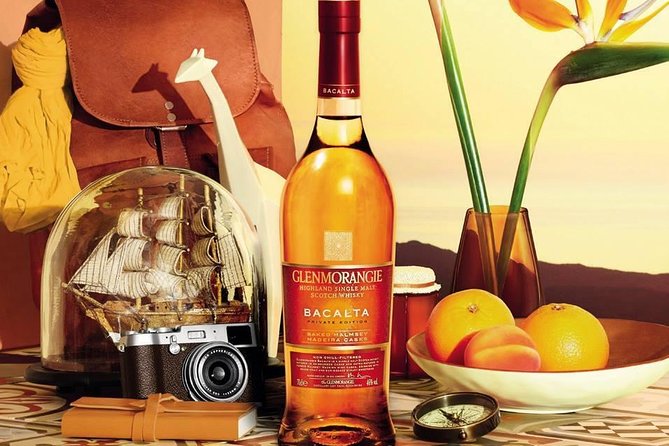
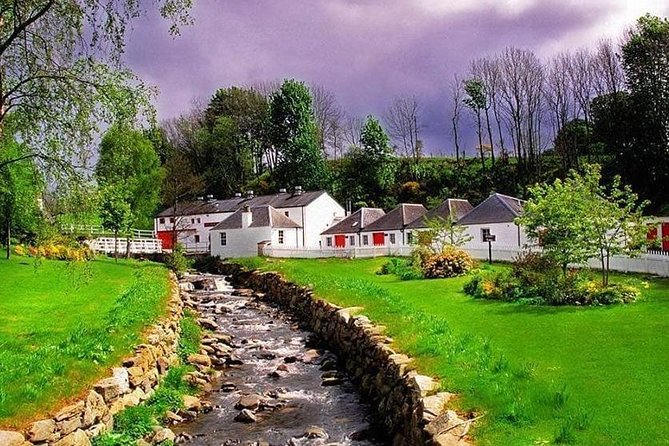
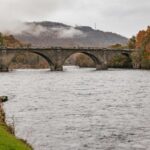
Glenmorangie is known for a standout setting and staff that do a good job of making the visit feel smooth. It’s also tied to the 175th anniversary of its founding in Tain, and it’s described as a pioneer of the modern malt boom—while still leaning into single malt identity even back in Victorian times.
Why I’d consider it: great if you like learning how history, branding, and production decisions evolve together. Potential drawback: you may want to balance it with at least one smaller distillery later so the day doesn’t feel only polished and high-volume.
Blair Athol Distillery: a gateway malt and a Bell’s link
In Pitlochry, Blair Athol sits at the gateway feel of the Highlands. A key detail is that this malt is used in Bell’s blend, alongside a smaller selection of single malt bottles.
Why I’d consider it: it’s a useful stop if you want to see how single malts feed into blended Scotch. Potential drawback: if you’re only interested in tasting the rarest single malts, the blend connection can feel like a detour—unless your guide frames it clearly.
Dalwhinnie Distillery: high-altitude whisky plus chocolate pairings
Dalwhinnie gets attention for an unusual tasting approach: you can taste not only Dalwhinnie’s own whisky, but also other whiskies paired with chocolate from the Scottish Highlands.
You also get a sense of place here. It’s described as being one of the highest distilleries in Scotland, with water coming from a branch of the River Spey—the whisky river.
Why I’d consider it: if you like sensory pairings and altitude as part of the story, this is a fun stop. Potential drawback: if chocolate pairing and multi-whisky tastings do not interest you, you might feel the time is less focused.
Edradour Distillery: small scale, slow magic
Edradour is described as the smallest traditional distillery in Scotland, producing about twelve casks a week. Tours (from April to October) are said to feel unique and very personal, and the distillery opened in 1825 as a farm distillery while still operating on that farm basis.
Why I’d consider it: this is the kind of stop that turns a whisky day into something memorable because it doesn’t feel mass-produced. Potential drawback: seasonality. If your dates are outside April to October, this may not match what you want.
Dewar’s Aberfeldy: marketing history meets bottling culture
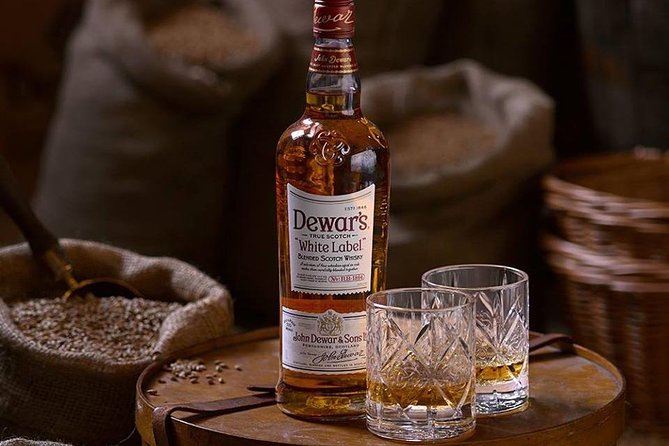
Dewar’s Aberfeldy is framed as a trip back in time, with emphasis on Thomas Dewar’s early marketing instincts. A standout detail is that Dewar enlisted Thomas Edison to direct a film commercial for White Label blend in the early 20th century.
Why I’d consider it: if you like whisky stories that include business, media, and global fame, this is a strong choice. Potential drawback: it can feel more brand-focused than purely production-focused, depending on how your guide steers the visit.
Deanston Distillery & Visitor Centre: whisky born from textile power
Deanston mixes industrial history with whisky. It used to be a textile manufacturing site designed along the ideas of a mill, then transformed into a distillery in 1966. The visit includes details about water power from the River Teith and even points to the ghostly remains of what was claimed to be the largest waterwheel in Europe, later replaced by turbines.
It’s also linked to film culture through Ken Loach’s The Angel’s Share.
Why I’d consider it: for something different from the usual “just barrels” story. Potential drawback: it can be a more visual history tour, so if you’re only chasing tastings, you might want to time it near other distilleries so you still get your whisky fix.
Oban Distillery: small, coastal, and quietly dramatic
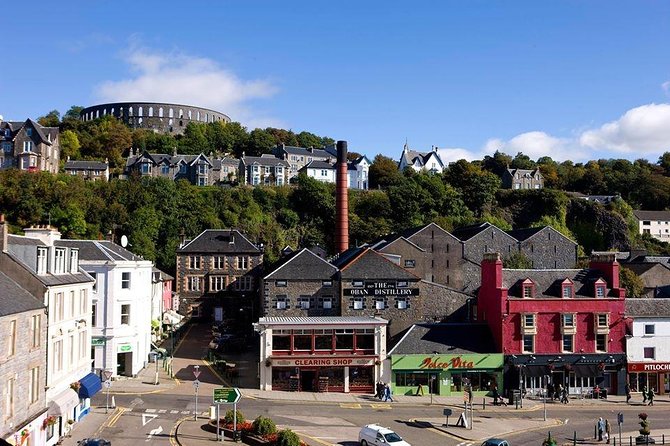
Oban sits between the coast and the cliff separating the harbour from higher suburbs. The buildings are described as a tight huddle of grey granite, and the area started as more herring storehouses before the port grew around the distillery.
Why I’d consider it: it gives you a west-coast style that sits somewhere between Speysider sweetness and the smokier island style. Potential drawback: coastal weather can affect your comfort outside the buildings, so dress for drizzle.
Glengoyne Distillery: calm, year-round operations near Glasgow and Stirling
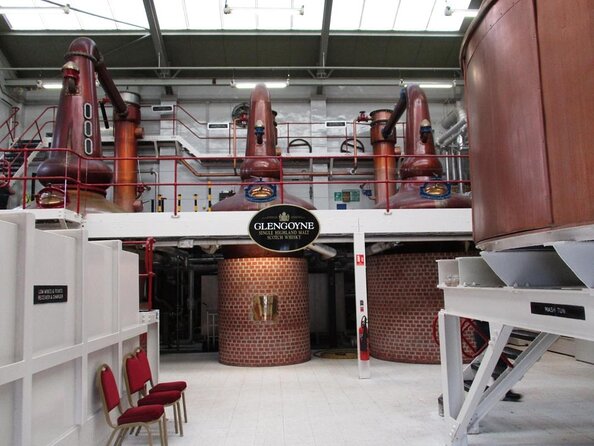
Glengoyne is often described as Scotland’s most beautiful distillery, and it’s open all year. It offers guided tours, tastings, and special events, and it’s framed as a traditional hard-working operation since 1833.
There’s also a standout experience element: a Master Blender option where guests create their own whisky to take home.
Why I’d consider it: if you want a year-round reliable stop with an interactive tasting element. Potential drawback: since it offers multiple formats, you may want your guide to keep the visit aligned with your priorities.
The Glenturret Distillery: Perthshire’s old working distillery feel
The Glenturret is described as Scotland’s Oldest Working Distillery based in Perthshire. It’s also noted for having facilities like a bar and restaurant, and it offers experiences that suit everyone.
Why I’d consider it: if you want the day’s standout “this feels historic and human” moment, Glenturret often hits that note. Potential drawback: it can become a busy stop—plan to treat it as a highlight rather than a quick in-and-out.
Tomatin Distillery Visitor Centre: convenience plus cask-strength bottle filling
Tomatin is a distillery visitor centre with a range of tours and award-winning whiskies. It’s also a shop-heavy stop in a good way: you can buy Tomatin merchandise and expressions, including the chance to fill your own bottle from a cask strength distillery exclusive whisky.
It’s located about 16 miles south of Inverness and 15 miles north of Aviemore, right on the A9, and it’s open seven days a week all year.
Why I’d consider it: if you want easy logistics plus a souvenir option that feels connected to the distillery. Potential drawback: the bottle-filling part means you should give yourself time and not treat it like an afterthought.
Knockdhu Distillery: Haig’s roots and worldwide single malt respect
Knockdhu is described as being in Knock, Banffshire, owned by Inver House Distillers. It was founded in 1893 by John Morrison, who bought land from the Duke of Fife to produce whisky for Haig’s.
Why I’d consider it: it’s a meaningful stop if you like production history that ties into bigger Scotch brands. Potential drawback: if you’ve already got a lot of “major brand” context elsewhere on your route, you might want to balance it with a smaller, more hands-on feeling distillery.
Balblair Distillery: generations of pride in a gentle approach
Balblair is framed as a must stop when you’re near Inverness. The whisky reflects the people and generations behind it, and the process is described as a gentle, hands-on approach that shapes the character of the whisky.
Why I’d consider it: if you want a less aggressive tasting style and a distillery vibe that feels careful. Potential drawback: with short time slots, you’ll want to make sure your tasting portion is not rushed.
Ben Nevis Distillery: myth, audio-visual storytelling, and a guided tasting
Inside Ben Nevis Distillery is The Legend of the Dew of Ben Nevis Visitor Centre, built into an old warehouse dating from 1862 and former bottling hall. You’ll meet the mythical Hector McDram, presented through a commissioned audio-visual show, then get a conducted tour of production areas and a complementary tasting.
Why I’d consider it: if you enjoy quirky storytelling and want the visitor centre experience as part of the day. Potential drawback: if you prefer strictly production talk and less myth, you may not love the ratio.
The Dalmore Distillery: rare casks and coastline vibes
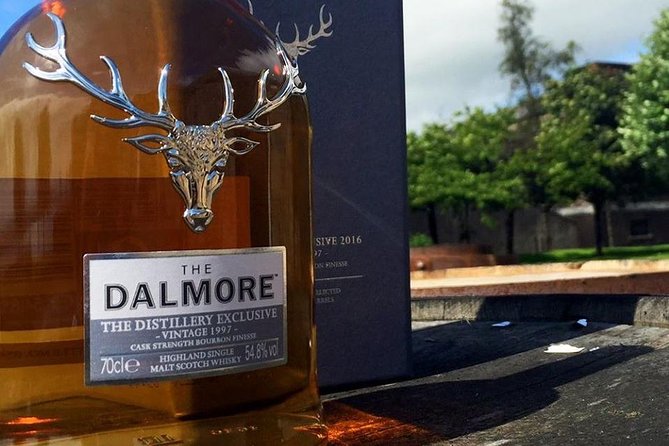
Dalmore is described as the luxury malt of the north Highlands, located along the Cromarty Firth coastline. On tours, you learn about the single malt made since 1839, and it’s tied to rare casks sourced from the world’s finest bodegas and wineries.
Why I’d consider it: it’s a good pick if you like the sherry-style influence angle and the idea of unusual cask sourcing. Potential drawback: “luxury” can mean a more curated experience, so if you want something ultra rustic or bare-bones, pick another stop too.
Glen Garioch Distillery: the home of Glen Garioch, far east on the whisky map
Glen Garioch is described as home of Glen Garioch and as being in the sheltered heart of the Valley of the Garioch. It’s about 17 miles from Aberdeen, and it’s described as the most easterly Scotch whisky distillery in Scotland and the world.
Why I’d consider it: if you like geographic variety and you want to feel like your day went beyond the usual Highland loop. Potential drawback: if your route is time-tight, this “further out” stop may cut into other must-sees.
The GlenDronach Distillery: traditional sherry maturation
GlenDronach is described as having nearly 200 years of tradition and using sherry casks to mature whisky. The methods may be old-fashioned, and the payoff is a richly sherried style that it’s famous for.
Why I’d consider it: if you’re chasing deeper, darker, sherry-driven whisky flavors. Potential drawback: if you already picked multiple sherry-forward stops, it could turn into flavor overlap.
Royal Lochnagar Distillery: Balmoral proximity and Cairngorm water
Royal Lochnagar is noted as having possibly the most beautiful surroundings of any Scottish distillery. It sits one mile from Balmoral Castle, at the foot of the Cairngorm mountains, and it’s fed by crystal-clear water of the Scarnock springs.
Why I’d consider it: if you want the day to feel tied to Royal Deeside and mountain water stories. Potential drawback: the scenery part depends on weather, so layer up.
Tullibardine Distillery: one hour from Edinburgh and a Blackford base
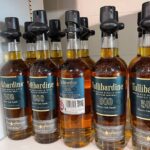
Tullibardine is described as one of the best Highland distilleries only about an hour from Edinburgh. It has been producing single malt since 1949, and it’s located in Blackford near the Ochil Hills, with the Danny Burn as a water source.
Why I’d consider it: if you want a more efficient “near home” stop that still feels like a true Highland whisky experience. Potential drawback: if your day goal is to get far north or far west, you may prefer more remote distilleries.
Lunch stop at a traditional pub: use it as a reset, not just a meal
A traditional pub lunch can make the day feel like a proper Highland trip, not just a checklist of tastings. Since lunch isn’t included, treat it as part of your planning and pick a pub stop when your group is ready for a break from whisky conversations.
My advice: when you build your route, decide whether lunch is a simple stop or a key part of your day. If it’s important to you, tell your guide early so they can place it when you’re not rushing.
What the tastings really mean for your day
The highlights promise whisky fresh from the distillery, plus time to learn about whisky making and Scottish whisky heritage. Also, some stops include pairing or extra experiences, like Dalwhinnie’s chocolate pairing or the Master Blender concept at Glengoyne.
One thing to watch: alcoholic beverages aren’t listed as included, even if tastings happen as part of distillery visits. So if you want to order extra drams, plan for that cost on top of admissions.
The good news is that this kind of tour still works for people who do not drink heavily. I love that the day is structured around history, process, and craft talk. You can come away with real understanding even if you keep your samples small.
Price and value: is $602.23 per person fair
At $602.23 per person, you are paying for privacy, air-conditioned vehicle time, pickup, and the guide who turns a long day of driving into something coherent. Bottled water is included, and mobile tickets plus group discounts add convenience.
The main value variable is this: you still pay for distillery admissions (not included) and lunch (not included). So the total cost can grow quickly if you want extras like bottle purchases or multiple paid experiences at bigger visitor centres.
Some people feel the price is steep if they end up with fewer meaningful stops or if the day doesn’t match the vehicle and communication they expected. So my advice is simple: choose a route that hits distilleries you genuinely want, and confirm pickup and the vehicle type before you leave.
Common hiccups to avoid: pickup, vehicle mix-ups, and quiet guides
Most days run smoothly, but the few problem cases tend to share a pattern: mismatched expectations. One experience reported a pickup arranged via taxi rather than the expected vehicle, plus discomfort and very limited conversation. Another problem involved a pickup that did not happen, with no notice.
You can reduce risk with a quick checklist:
- Confirm the meeting details the day before your start time of 7:30 am
- Ask for the exact pickup vehicle description
- If you have must-see priorities, send them to the guide ahead of time so the day doesn’t become vague
If the driver is less talkative, you can still steer the day by asking direct questions: about water sources, cask types, and why this distillery’s style differs from the next one.
Who should book this private whisky day
This tour is a strong fit if you:
- Want to avoid driving and still see multiple distilleries in one day
- Like having a guide translate whisky from science to plain language
- Want flexibility to swap distilleries based on your taste (modern malts, sherry styles, or something coastal and different)
- Are traveling with a small group who wants the day to feel personal
If you are only interested in one or two distilleries and you like to do things at your own pace, you might find a lower-cost option makes more sense. But if you want a full guided day where you can make the route yours, this is built for that.
Should you book this private Highland whisky tour?
Book it if you want a tailored distillery day from Edinburgh with comfort, pickup, and a guide who can shape the experience around your priorities. It’s especially worth considering if you love variety: a classic Speyside profile, a sherried style, and at least one smaller or distinctive stop.
Hold off or tighten your plan if you’re price-sensitive or if you hate adding up extra costs like admissions and bottle purchases. And take a minute to confirm pickup and vehicle details so your morning goes the way it’s supposed to.
FAQ
FAQ
How long is the private Highland whisky tour from Edinburgh?
It runs about 7 to 10 hours, starting at 7:30 am.
Is pickup from Edinburgh included?
Pickup is offered, and the tour ends back at the meeting point.
What’s included in the price?
You get a private, air-conditioned vehicle, private transportation, and bottled water. You also receive a mobile ticket.
Are distillery admission tickets included?
No. Admission tickets are not included for the distillery stops.
Can I choose which distilleries to visit?
Yes. This is a build-your-own adventure, and you work with your guide to create your ideal route.
Is the tour private?
Yes. It’s a private tour/activity, so only your group participates.
Does the tour depend on weather?
Yes. It requires good weather. If canceled due to poor weather, you’ll be offered a different date or a full refund.