REVIEW · EDINBURGH
Edinburgh: Scotch Whisky Tasting – Scotland’s True Spirit
Book on GetYourGuide →Operated by WdeWhisky · Bookable on GetYourGuide
Three pours. One great education.
This Edinburgh Scotch whisky tasting pairs a guided flight of whiskies with a short walk through old-school drinking history, starting near The Pear Tree and finishing at Tipsy Midgie. In about 1.5 hours, you’ll learn how whisky is made and why Scotch can taste so different from one bottle to the next. I like that it’s not just about drinking. It’s about understanding what you’re tasting and where that flavor comes from.
What I really like is the range: 3 single malt Scotch whiskies plus a sample of new make spirit (unaged whisky). That last pour is a quick reality check. You taste whisky before it has spent years taking on color and flavor from casks, then you’ll compare it to matured single malts. The third great thing is the guide-led pace and the Q&A. You’re encouraged to ask questions and steer your own preferences, whether you’re into smoky Islay styles or smoother Speyside drams.
One consideration: this is a focused tasting experience for adults only. There’s a minimum age of 18, and you’ll need passport or ID. Also, while whisky alternatives are available on request, the core experience is built around Scotch, so come ready for a whisky-forward night.
In This Review
- Key highlights you’ll care about
- Starting at The Pear Tree, then heading to Tipsy Midgie
- What you actually drink: 3 single malts plus new make spirit
- How the expert turns flavor into real understanding
- How to taste the lineup like you mean it
- Regions and style differences: why Scotch can feel personal
- Price and logistics: is $51 good value?
- Languages and guide experience: you’ll still follow the story
- Who this Edinburgh whisky tasting suits best
- Should you book this Scotch whisky tasting?
- FAQ
- What is included in the Edinburgh Scotch whisky tasting?
- How long is the tasting experience?
- Where do I meet the guide?
- Do I need an ID?
- Is there an age limit?
- Are whisky alternatives available?
Key highlights you’ll care about

- A tight 1.5-hour format that still teaches the basics clearly: production, maturation, and flavor differences
- 3 single malts + one new make spirit, so you can compare matured Scotch with unaged whisky
- A guided stroll in central Edinburgh, starting near The Pear Tree and ending at Tipsy Midgie
- A guided tasting designed for questions, not just passive listening
- Potential standouts like peaty styles, with examples such as Bowmore 12 mentioned in past sessions
- Language options (Italian, English, Spanish) so you can actually follow the explanations
Starting at The Pear Tree, then heading to Tipsy Midgie
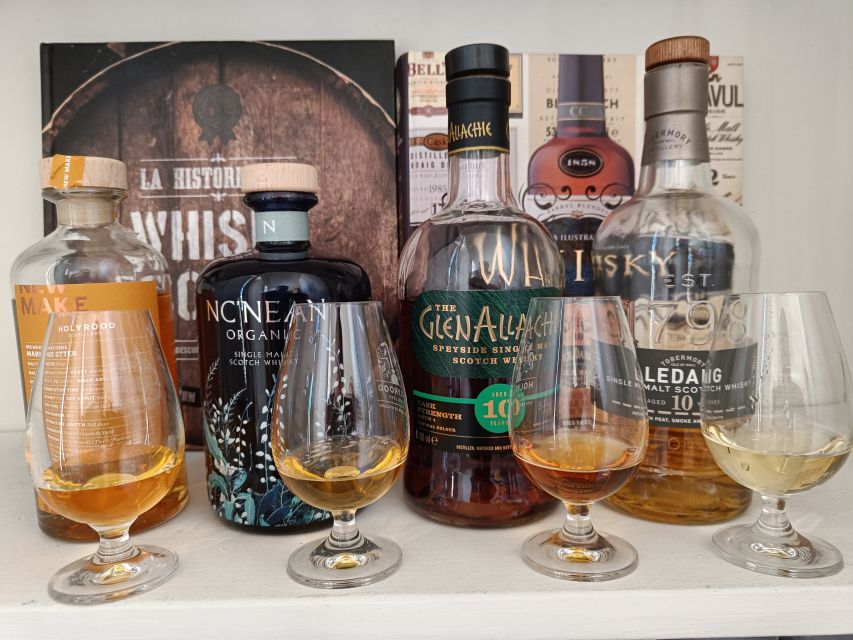
Good Scotch tastings do two things at once: they pour great drams and they give you context fast. This one starts around The Pear Tree, a historic pub tied to the birth of the world’s first blended whisky. That detail matters, even if your tasting is all about single malts. It’s a reminder that Scotch’s story is bigger than one distillery. The industry evolved through blending, trade, and changing tastes—then single malts became a different kind of pride point.
From there, you walk toward Tipsy Midgie, where the tasting takes place. I like that the route is part of the experience. You get a sense of place in Edinburgh instead of being herded in and out of a building with no atmosphere.
The meeting point is John Knox House. Look for the BLACK UMBRELLA. If you’re the type who likes to arrive slightly early (smart), plan on doing so. It’s a small detail, but it saves time and stress when you’re navigating central streets.
You can also read our reviews of more tours and experiences in Edinburgh.
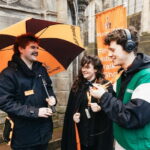


What you actually drink: 3 single malts plus new make spirit
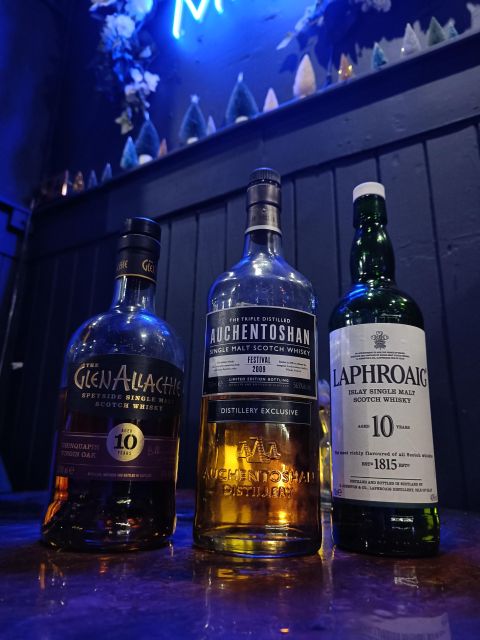
The tasting is built around a classic lesson plan: compare styles, then compare stages of maturation.
You’ll receive:
- 3 single malt Scotch whiskies
- 1 new make spirit (unaged whisky)
- A whisky expert to guide you through the differences
The unaged pour is the secret weapon here. New make spirit is whisky right after distillation, before casks do their work. That means it tends to feel sharper, more spirit-forward, and less rounded than matured Scotch. When you taste that, you start to understand maturation isn’t a minor step. It’s the difference between raw spirit and the finished character people chase.
Then the single malts bring in that matured complexity. Single malt Scotch also comes with a built-in contrast challenge: even within the “single malt” category, bottles can differ a lot based on distillery style, region, and maturation choices. The guide is there to help you notice those differences without forcing a single “correct” way to taste.
In past sessions, people have mentioned ending on a peaty dram such as Bowmore 12. You don’t have to be a diehard smoke fan, but it’s a great example of how the lineup might move toward a more distinctive profile by the end.
How the expert turns flavor into real understanding

This is where the experience earns its price. A good tasting guide doesn’t just tell you facts. They help you connect what’s in your glass to what’s happening behind the scenes.
During the session, the whisky expert covers:
- how whisky is made
- why maturation changes the spirit
- what makes each single malt different
- how Scotch has become one of the world’s celebrated spirits
You’re also free to ask questions as you go, which is huge if you’re curious about something specific—like what “region” means in practice, or why two whiskies can both be “single malt” yet taste nothing alike.
One theme that comes up is the role of maturation and what happens in the cask over time. People often mention learning about the angel’s cut, a concept tied to the natural evaporation that happens during aging. Even if you’re brand-new to whisky, it’s a satisfying way to understand why older Scotch is never just a longer version of younger Scotch. Time changes the balance.
And you’ll get some Edinburgh history along the way too. That blend of place + spirit is what makes the night feel like a real local activity rather than a generic tasting in a quiet room.
How to taste the lineup like you mean it
You don’t need fancy equipment to taste whisky well. You just need a method—and this guide’s approach helps you stick to one.
Here’s what I’d do in your shoes during the pours:
- Take a first nose that’s quick, then a second nose after a few seconds of sitting in the glass. The second sniff often reveals more.
- Sip small. Let it spread over your tongue before deciding if you like it.
- Pay attention to changes across the flight. The unaged spirit is often sharper and more direct; the single malts should feel more rounded and integrated.
As you move through the lineup, try to connect each dram to a few “signals,” such as:
- smoke/peat character (if the lineup includes it)
- sweetness or fruitiness
- dryness or bitterness
- warmth in the finish
The guide also points out why each whisky differs. That’s the real value. Without that explanation, a tasting can feel like a fun sampling. With it, you start building a mental map you can use when you shop in Edinburgh’s whisky shops or browse online later.
Regions and style differences: why Scotch can feel personal
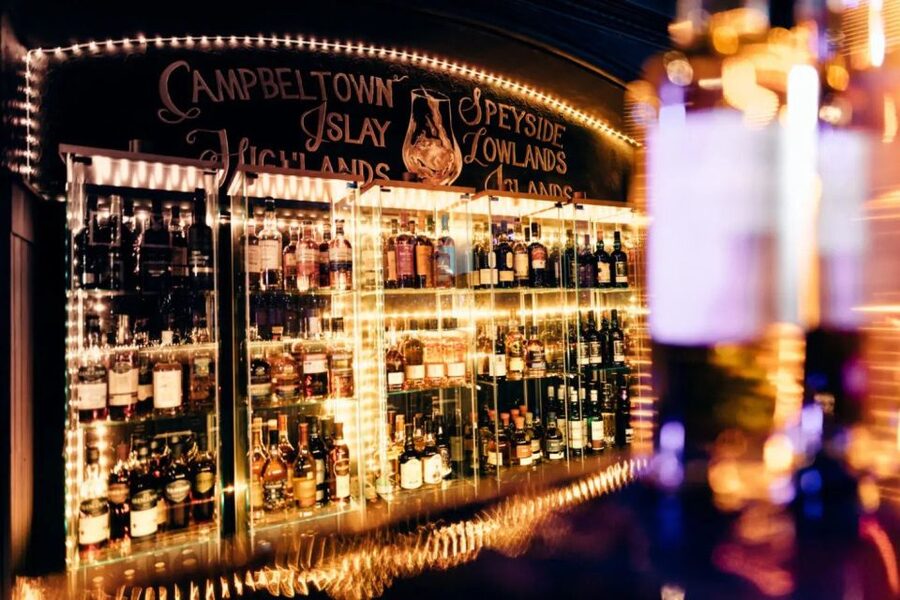
Scotch is often marketed as if it’s one flavor. In reality, it’s a family of styles. This tasting helps you hear that difference in your glass.
You’ll sample whiskies from different distilleries and regions, so you can start recognizing patterns. Even if you don’t walk away naming every region confidently, you’ll get the essential idea: geography and production choices shape the spirit.
For example, if one of your pours leans peaty, smoky, or sea-air salty in character, that’s the kind of profile that makes Islay styles stand out to many people. If you get something smoother and fruit-leaning, that can point you toward other common regional tendencies. You don’t have to force labels. The point is learning how to connect what you taste to what you might be buying next.
This is also a confidence boost. A lot of visitors feel intimidated by whisky talk. A good guide makes it approachable, and you’re encouraged to share what you like. If you’re hoping for a fun evening that still teaches you something useful, this format hits that sweet spot.






Price and logistics: is $51 good value?
At $51 per person for about 1.5 hours, you’re paying for more than the liquid. You’re paying for:
- three single malts (not just watered-down samples)
- one new make spirit so you can understand maturation from the start
- a dedicated whisky expert who explains what you’re tasting
- a central Edinburgh experience built around two key locations (near The Pear Tree, then Tipsy Midgie)
Whether it’s a great deal depends on your goal. If you want a purely social drink night, you might find cheaper ways to drink in Edinburgh. If you want to leave with actual tasting knowledge—how to compare whiskies and how to choose your next bottle—this is one of the more straightforward, teach-you-as-you-go options.
Also, the tour supports flexibility: you can reserve and pay later, and cancellation is available up to 24 hours in advance for a full refund. That matters if your Edinburgh schedule is still shifting.
One more practical note: the tasting is adult-only, so plan it for your evening after 18. If you need an alternative to whisky, you can request one, but the session is still structured around Scotch.
Languages and guide experience: you’ll still follow the story
Language can make or break a tasting. This one runs with a live guide in Italian, English, and Spanish. That means you can understand the production and maturation explanations without relying on guessing.
Past guide names mentioned in sessions include Valeria and Nick, and the common thread is clear: people loved the explanations and the friendly, competent delivery. If you’re the type who learns best by asking follow-up questions, you’re likely to feel comfortable here.
Who this Edinburgh whisky tasting suits best
I’d point you to this experience if:
- you’re new to Scotch and want a clear, structured start
- you enjoy guided learning but still want it to feel like a pub experience
- you want a tasting that includes the big concept of maturation via new make spirit
- you like Edinburgh activities that connect local history with what you’re doing
It may be less ideal if:
- you only want a short drink stop with zero explanation
- you don’t want to taste multiple samples back-to-back
- you’re visiting with anyone under 18 (the minimum age is 18)
If you’re already a whisky person, don’t worry. The guided framework helps you refine your own preferences and gives you better vocabulary for what you like.
Should you book this Scotch whisky tasting?
Yes—if your goal is to learn while you drink and leave with a better sense of how single malts differ. The combination of three single malts plus new make spirit is the big reason to book. It turns a nice night out into a real learning experience, and it’s a format you can use again the next time you’re choosing a bottle.
Book it when you want something practical and satisfying: a guided flight, friendly teaching, and a short walk through Edinburgh’s whisky-connected history. If you’re unsure where to start with Scotch, this is one of the cleaner, more educational entry points you can make.
FAQ
What is included in the Edinburgh Scotch whisky tasting?
You’ll get 3 single malt Scotch whiskies, 1 new make spirit (unaged whisky), and a whisky expert tour guide.
How long is the tasting experience?
The duration is 1.5 hours.
Where do I meet the guide?
Meet in front of John Knox House. Look for the BLACK UMBRELLA.
Do I need an ID?
Yes. You should bring a passport or ID card.
Is there an age limit?
Yes. The minimum age for this experience is 18.
Are whisky alternatives available?
Whisky alternatives are available upon request.