REVIEW · BUNDABERG
Bundaberg; Bundaberg Rum Distillery Tour and Tasting
Book on GetYourGuide →Operated by Bundaberg Distilling Company · Bookable on GetYourGuide
Rum fans get a real behind-the-scenes look. This one-hour guided stop at the working Bundaberg Rum Distillery starts in the museum and quickly gets hands-on with the molasses well and the production line. I like how the tour is built for first-timers, not just spirit geeks.
What I really like is the human side: guides such as Shaz and Skye explain the process clearly, with enough banter to keep it from feeling like a lecture. The other standout is the payoff at the end: a tasting of two pours (one rum and one liqueur), served right after you’ve seen how those flavors are created.
One thing to factor in: the tour runs outdoors and you’re in a fully-operational, flammable workplace, so phones and other electronics aren’t allowed. Bring patience for the rules, and you’ll enjoy it more.
In This Review
- Key things to know before you go
- Entering the Bundaberg Rum Distillery with the museum already working for you
- Finding the meeting point: the Big Bottle
- Museum first: learning the Bundaberg Rum story in your own pace
- From molasses to fermentation: what you’ll actually see on the working floor
- Double distillation and the Barrel House: where aging becomes more than a marketing word
- The Tasting Bar payoff: two pours, one rum and one liqueur
- Outdoor tour reality: what to expect day-of
- Working-site rules that affect your gear (and your photos)
- Value check: is $21 per person worth it?
- Who this tour suits best (and who might skip it)
- What guides add (the part you can’t print on a brochure)
- Food and drinks nearby: plan a bite before or after
- Should you book the Bundaberg Rum Distillery Tour?
- FAQ
- How long is the Bundaberg Rum Distillery tour?
- What tastings are included?
- Where do I meet for the tour?
- Is the tour inside or outside?
- Can I take photos or use my phone during the tour?
- Is the tour wheelchair accessible?
Key things to know before you go
- Molasses well scale: the distillery’s molasses tank holds up to 5 million liters.
- You’ll see fermentation and the “double distillation” idea: the guide connects the steps to flavor.
- The Barrel House is where aging becomes real: you learn how aging works for a minimum of two years.
- Tasting is timed as a finish line: you end with two samples (one rum and one liqueur).
- Guides make the difference: people repeatedly praise hosts like Shaz, Skye, and Bobbi.
- Photography and devices are restricted: you’ll use lockers for items like phones and other battery devices.
Entering the Bundaberg Rum Distillery with the museum already working for you
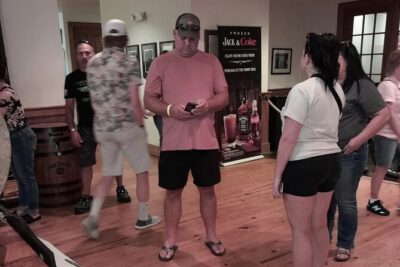
This tour is smartly paced. You don’t jump straight onto the factory floor. You start with a self-guided museum that sets the scene, so when the tour guide starts pointing out tanks and barrels, you actually know what you’re looking at.
The museum part matters more than you might think, especially if you’re not a rum specialist. Bundaberg Rum isn’t just a brand name here. It’s a local story, and the museum helps you understand how the product became part of everyday Queensland life.
If you’re short on time, you still have a full tour experience. If you’re curious and tend to linger in exhibits, arriving a bit early helps you get your bearings without feeling rushed.
Finding the meeting point: the Big Bottle
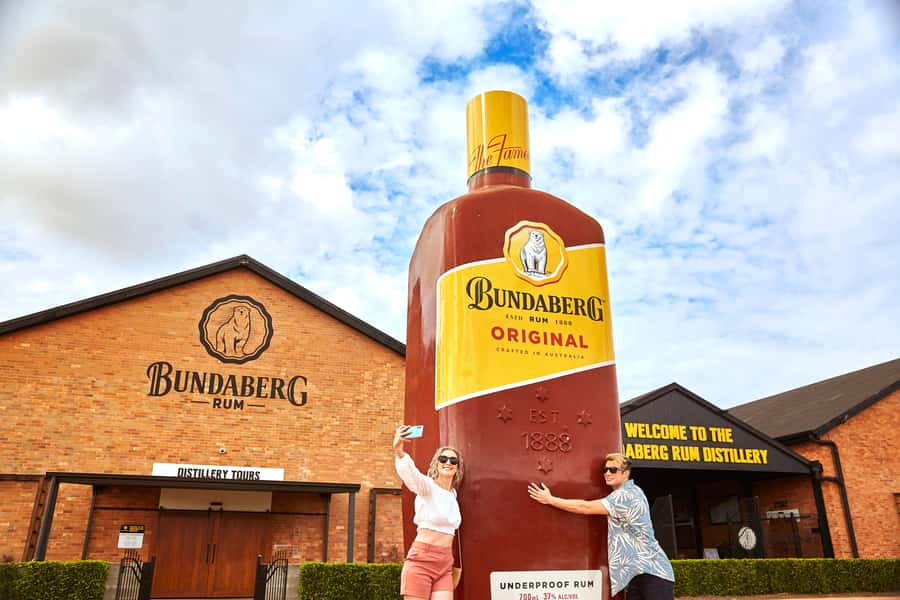
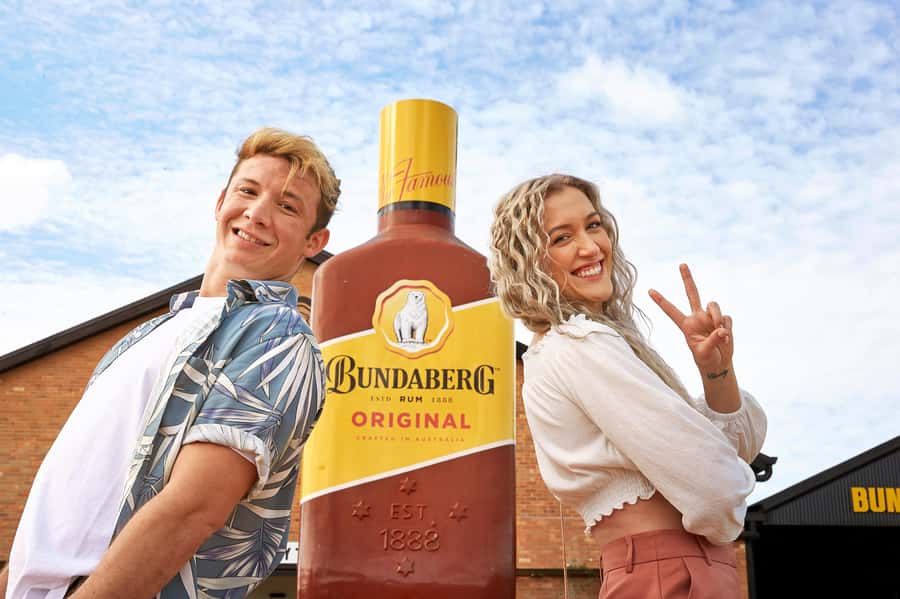
Your meeting point is simple: look for the Big Bottle. That’s a big deal when you’re arriving at a working site. It reduces the annoying guessing game of where to line up and who to ask.
The experience starts with the museum. You’re asked to arrive about 30 minutes before your tour departs, so you can settle in and enjoy the self-guided section before the guided part starts.
This is one of those tours where timing makes it smoother. If you show up late, you’ll feel it right away, because the tour moves from story to production on a set schedule.
Museum first: learning the Bundaberg Rum story in your own pace
I like museum starts because you control the pace. One person can focus on history. Another person can spend time on process diagrams. Then the guide picks up where you left off.
In this case, the museum covers the history of Bundaberg Rum and the rum-making process at a visitor-friendly level. That’s valuable because it gives you context before you hit the more technical parts of the distillery tour.
And if you’re the type who hates missing details, there’s a bonus option to consider: you can buy a self-guided museum walk-through on arrival for $20 per adult. That version shows the history and the rum-making process, includes two tastings (one rum and one liqueur), but it does not access the actual distillery.
So the guided tour is for people who want the full working-site view. The self-guided option is for people who want the learning and tasting without going into the operational areas.
From molasses to fermentation: what you’ll actually see on the working floor
After the museum, the guided portion takes you into a fully-operational working site. That word is important. This isn’t a staged “theme park” production set. It’s a real facility with real safety boundaries.
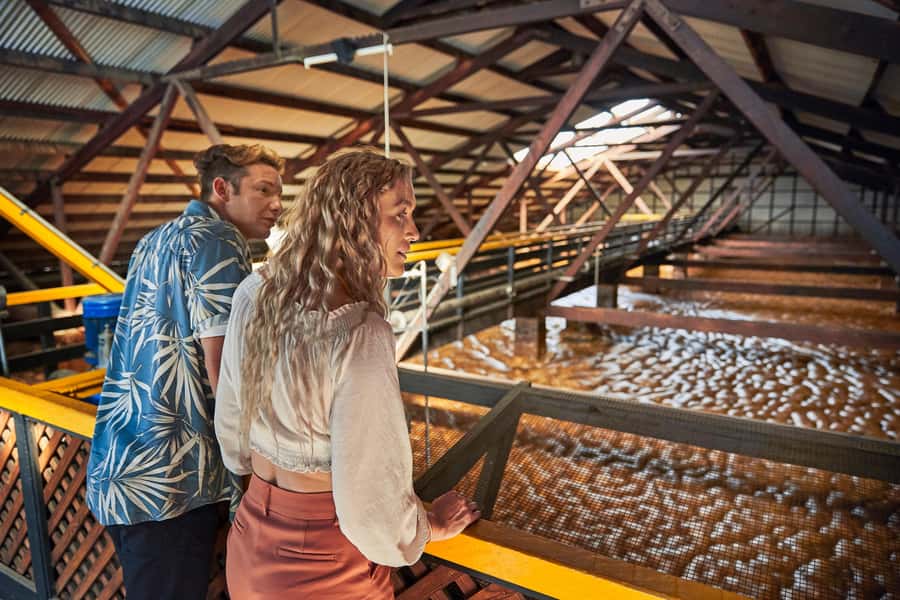
You’ll begin with the molasses well, which holds up to 5 million liters of molasses sourced fresh from the sugar mill across the road. Seeing a volume like that helps you understand that rum isn’t made from tiny kitchen quantities. It’s an industrial process.
Next comes a peek into the fermentation tanks. You won’t just hear “fermentation happens.” The guide shows you where it happens and gives you a simple explanation of why this step matters for the final spirit.
I like how the tour doesn’t overload you with chemistry. Instead, it connects each step to a next step in the chain. That approach makes it easier to remember, even if you only have a single hour.
Double distillation and the Barrel House: where aging becomes more than a marketing word
Then the tour shifts into the most “rum-lab” part of the visit: double distillation. The guide explains the process, and you get a sense of how distilling twice helps shape what ends up in the final product.
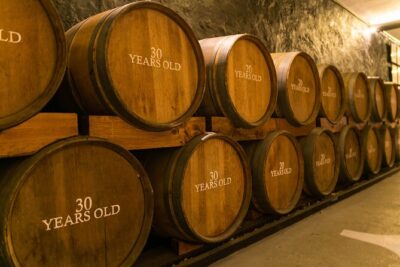
Finally, you head to the Barrel House, which is where the tour earns its keep for anyone who’s ever wondered what aging actually does. You’re told how rum is aged and matured for a minimum of two years before it’s bottled.
This is one of those moments where the story turns tangible. Barrels aren’t just props. They’re the physical step that turns a freshly made spirit into something with depth and character.
Even if you’re only mildly interested in rum today, you’ll leave understanding the difference between a spirit that’s been made and a spirit that’s been aged.
The Tasting Bar payoff: two pours, one rum and one liqueur
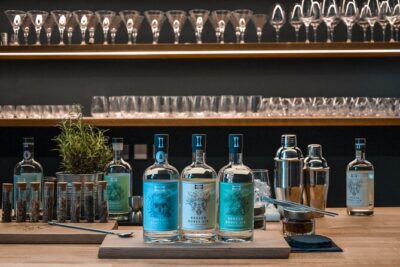
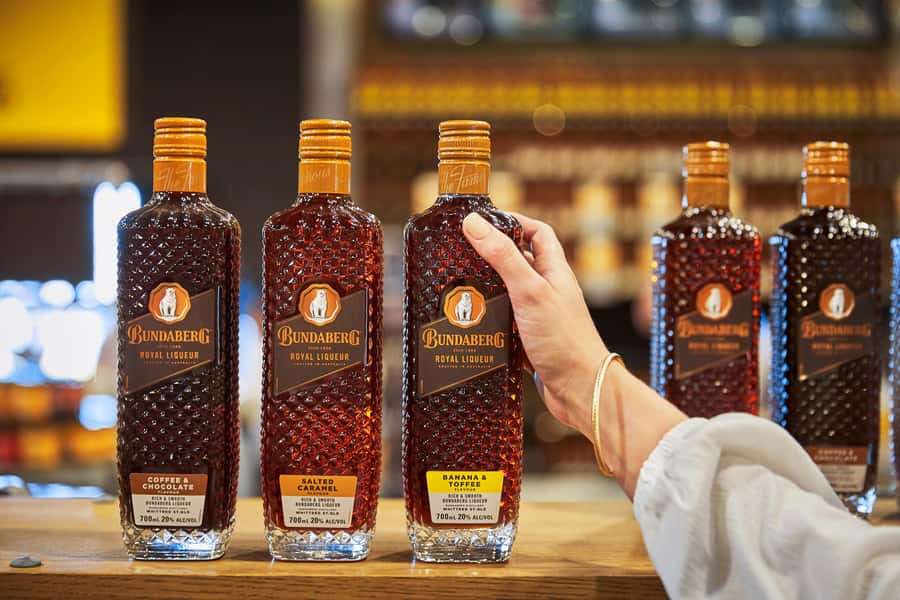
The tour ends at the Bundaberg Rum Tasting Bar, and the tasting is structured. You’ll get two samples from the range: one rum and one liqueur.
That pairing is smart. Rum tends to be the headline spirit, but liqueurs show a different side of flavor—often sweeter, sometimes spiced, and usually a bit more “dessert-friendly.” Sampling one of each helps you get a broader picture of the brand in a short time.
I also like that the tasting comes after you’ve seen the process. You’re not tasting in a vacuum. You’ve just been taught about distillation and aging, so the flavors make more sense.
One practical tip: take small sips first. Smell the aromas. Then decide which notes you like—vanilla-like warmth, caramel tones, or smoother, lighter profiles. With two tastings, you don’t need to rush.
Outdoor tour reality: what to expect day-of
The guided tour takes place outdoors. That means weather matters. Bring a hat or sunscreen if it’s sunny, and bring a layer if the evening feels cooler.
Comfort is also linked to how the tour runs. You’re walking through a working production area, so wear shoes you’re happy to keep on your feet.
Good news: the tour is described as wheelchair and pram friendly. If you’re traveling with mobility needs, the site planning is built for access, and you won’t feel like you’re fighting the route.
Working-site rules that affect your gear (and your photos)
The distillery is a fully-operational working site with highly flammable areas present, so there are strict visitor rules. This is not the place for casual gadget use.
A few restrictions matter most:
- Smoking is prohibited inside, with safe smoking areas marked outside.
- Flash photography, video recording, and electronic devices are not allowed on the tour.
- Cellphones, tablets/iPads, and anything with a battery are not allowed on tour with you (including cameras and car keys).
Instead of bringing nothing, use the facility’s free lockers before you start the guided part. That way you can still take care of your essentials without breaking the rules.
Also note the “bare feet” rule and the general no-explosives / no-fireworks type of safety wording. It all ties back to the working-site environment.
If you really want photos, plan for it carefully. With phones and devices off-limits during the tour, your best bets are to take what you can in areas where devices are permitted, and accept that some parts will be photo-free.
Value check: is $21 per person worth it?
At around $21 per person for about an hour, you’re paying for three things: access to the guided production tour, structured learning from a guide, and two tastings at the end.
That’s good value because tastings aren’t just a freebie. They’re part of the learning experience, tied to the distillation and aging steps you just saw.
You also get the self-guided museum, so you’re not paying only for the walk through the facility. You’re paying for context plus access.
If you’re comparing options, there’s an interesting contrast. The self-guided museum option is $20 per adult, includes two tastings, but doesn’t access the actual distillery. The extra dollar (on paper) is what buys you the guided, working-site view. For most people, that’s the right trade.
Who this tour suits best (and who might skip it)
I think this tour is perfect for:
- First-time visitors to Bundaberg who want a quick, complete rum introduction
- People who enjoy learning by seeing real steps, not just reading signage
- Anyone who likes guided explanations and then wants to taste with context
It might be less ideal if:
- You want lots of photo time and don’t want to deal with device restrictions
- You hate outdoor tours, since the guided part is outdoors
- You want a very long experience; this one is designed around one hour
If you’re traveling in a small group, this format can be especially fun. You get guide attention, and the tasting at the end feels like a natural reward.
What guides add (the part you can’t print on a brochure)
The quality of the guide shows up in the details. In the stories I was given, people praised hosts like Shaz, Skye, and Bobbi for being engaging and clear. I also saw comments about guides mixing explanation with personality—some with light jokes and puns, others with a more straightforward teaching style.
That matters because rum-making has several steps. Without a good guide, you can end up remembering facts, but not the “why” behind them. With the right guide, you remember what each step changes.
So if you’re picky about tours being genuinely worth your time, this is one where the guide role comes through.
Food and drinks nearby: plan a bite before or after
The tour itself doesn’t include meals, and merchandise and food and beverages are not included. But there’s an easy add-on on site.
You’re welcome to use the Bear Garden Alfresco Dining area, where you can purchase signature Bundy Banger hotdogs, snacks, and hot and cold beverages. So if you’re hungry, you can eat before you start or right after the tasting.
That’s a smart move because the tour lasts around one hour. You don’t want to make it a long, empty stretch in the middle of your day.
Should you book the Bundaberg Rum Distillery Tour?
Book it if you want a compact, high-value rum experience: museum learning, a guided look at real production steps, and a proper tasting finish. The format fits well when you’re passing through Bundaberg and don’t want to build a whole day around one activity.
Skip the guided tour and consider the self-guided museum option only if you’re short on time, don’t want distillery access, and mainly want the story plus two samples.
Either way, go in expecting rules and an outdoor walk, then you’ll get what you came for: a real look at rum-making and two tastes you can actually connect to what you saw.
FAQ
How long is the Bundaberg Rum Distillery tour?
The guided distillery tour takes about 1 hour. You’re also encouraged to arrive around 30 minutes early so you can enjoy the self-guided museum before the tour departs.
What tastings are included?
At the end of the tour, you receive two tastings at the Bundaberg Rum Tasting Bar: one rum and one liqueur.
Where do I meet for the tour?
Meet at the Big Bottle. That’s the stated meeting point for the experience.
Is the tour inside or outside?
The guided tour takes place outdoors.
Can I take photos or use my phone during the tour?
Flash photography, video recording, and electronic devices are not allowed during the tour. The rules specifically mention cellphones and other battery-powered items, which are why you’ll need to use the free lockers.
Is the tour wheelchair accessible?
Yes. The experience is listed as wheelchair accessible and pram friendly, and it’s designed to be navigable at the site.