REVIEW · EDINBURGH
4 Day Speyside & Highlands Whisky Tour from Edinburgh
Book on Viator →Operated by Scottish Routes Limited · Bookable on Viator
Whisky country teaches your palate fast. This small-group Speyside and Highlands tour strings together distillery tours, guided tastings, and even the craft behind the casks. I love the hands-on tastings (including a five-dram identification challenge) and the small group size, which makes it easier to ask questions and compare notes. One thing to consider: it starts early and involves lots of time on the coach, so it is not the calmest vacation you can take.
For the price ($1,410.50 per person), you are not just paying for drinks. You also get 3 nights of accommodation with breakfast and admission into the key stops, which cuts down on planning stress when you want to hit multiple distilleries in a short window. And the route is built to teach you how Scotch style shifts across regions, from Lowland and Speyside personalities to Highland character.
The day-to-day experience is heavily shaped by your guide and driver, and names like Rory, Jamie, Nick, and Moray have shown up as the people leading groups on this route. Expect guide-led storytelling with plenty of practical tips for tasting and understanding what you are seeing.
In This Review
- Key things I’d pin on a sticky note
- Why this route feels built for real whisky learning
- Edinburgh to Speyside: the 8:15 start and the “coach time” truth
- Price and value: what you’re really paying for
- The distillery lineup: what each stop teaches your palate
- Scottish Routes start: quick orientation before the whisky miles
- Lindores Abbey Distillery: production basics plus Aqua Vitae
- Arbikie Distillery: farm-based whisky and a sustainability lens
- The Glendronach Distillery: sherry-cask style you can taste right away
- Strathisla Distillery (Home of Chivas): blending experience, not just drinking
- Speyside Cooperage Visitor Centre: the cask makers you usually ignore
- GlenAllachie Distillery: unusual expressions for curious drinkers
- Cardhu Distillery: tour plus the five-dram tasting challenge
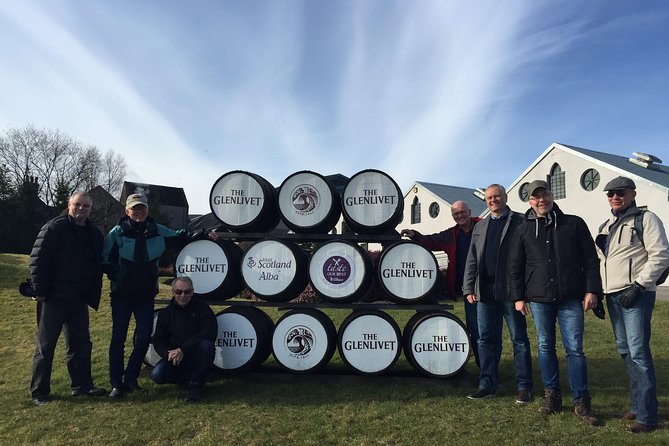
- Glenlivet Distillery: private tour and exclusives tasting
- Blair Athol Distillery: brief tour and tasting to round out the Highlands angle
- The brewery factor: a scheduled break from whisky-only rhythm
- Where you sleep: 3 nights with breakfast in the Speyside orbit
- How the tastings feel in real life (and how to handle them)
- Group size and guide style: why it matters more than you think
- Who should book this whisky tour (and who should skip it)
- Should you book the 4 Day Speyside & Highlands Whisky Tour from Edinburgh?
- FAQ
- How long is the Speyside & Highlands whisky tour?
- Where do you meet in Edinburgh?
- What time does the tour start?
- How many people are in the group?
- What’s included in the price?
- Which distilleries and stops are included?
- Is the tour appropriate for whisky beginners?
- Is there a cancellation/refund option?
Key things I’d pin on a sticky note
- A distillery lineup that covers styles, not just one house or one region
- Tasting challenges like the Cardhu five-dram identification game
- The cooperage stop so you learn why barrels matter as much as mash bills
- Blending time at Strathisla, a hands-on way to understand what “style” means
- Sustainability and craft at places like Arbikie, with a farm-based approach
- A small max group size (16) that keeps the vibe friendly and questions easy
Why this route feels built for real whisky learning
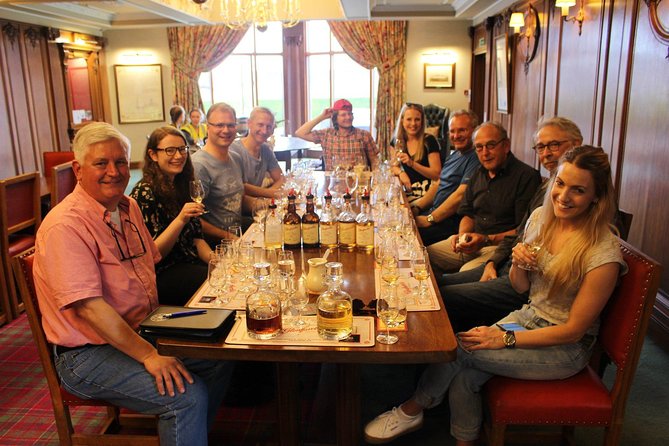
If you think whisky tours are only for standing in gift shops and buying bottles, this route will surprise you—in a good way. The best part is the pacing: each stop is paired with a tasting moment that connects to what you just learned about production, maturation, or cask influence.
I like that the itinerary mixes big-name familiarity with smaller, more “how is this made?” experiences. You get to compare different cask influences at Glendronach, understand the thinking behind blending at Strathisla, and then connect the dots at the Speyside Cooperage Visitor Centre, where you learn how the casks themselves are made.
A possible drawback is that you will taste a lot. If you prefer slow, one-distillery-per-day travel, this tour may feel like it moves fast. The tradeoff is that you leave with a sharper sense of style differences—Lowland vs Speyside vs Highland—and what to look for next time you buy a dram.
You can also read our reviews of more tours and experiences in Edinburgh.


Edinburgh to Speyside: the 8:15 start and the “coach time” truth
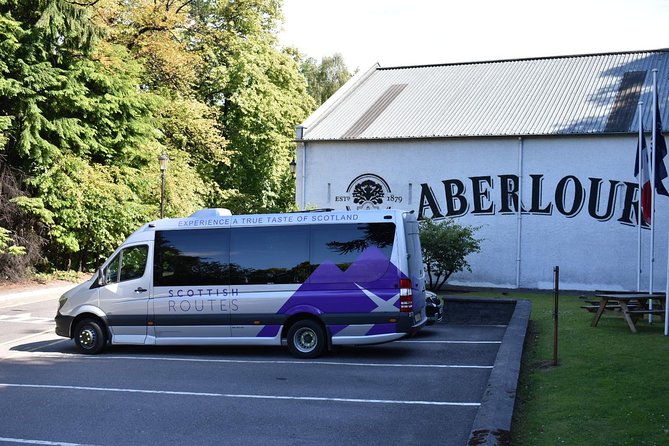
The meet-up is at the Loch Ness Discovery Centre, 192 High St, Edinburgh EH1 1RW, and the start time is 8:15 am. You also get dropped back at the same meeting point at the end, which is convenient when you do not want to plan trains or taxis on tight timing.
This is a “road trip with purpose” format. Published duration is about 3 days 11 hours even though it is marketed as a 4-day tour—so do not schedule anything tight right after you get back to Edinburgh. Bring layers for the van ride and expect weather swings; even in April, conditions have ranged from snow to bright sun, with some people ending up sunburned despite the colder start.
The tour includes a mobile ticket and is offered in English. Service animals are allowed, and it is described as being near public transportation, which helps if you want a stress-free way to get to the meeting point.
Price and value: what you’re really paying for
At $1,410.50 per person, it is not cheap. But value comes from what is bundled together: 3 nights of accommodation with breakfast, admission into the distillery and cooperage stops, guided tastings, and meals and time structure that keep you from juggling reservations.
It also helps that the group is capped at 16 travelers. That small size usually means less time waiting around, more direct attention during tastings, and a better chance to get your questions answered without feeling rushed.
What you do not get, based on the info provided, is an all-you-can-eat food plan. You’ll want to plan for meals on your own as scheduled by the tour flow, and keep an eye on tasting-day pace. Think of this as a whisky education with lodging and logistics handled, not a resort package.
The distillery lineup: what each stop teaches your palate
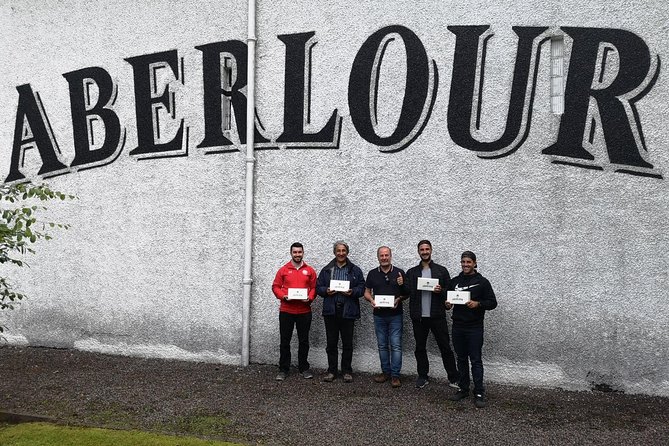
Here’s how this route “teaches” more than it “tours,” stop by stop. Time slots are listed on the tour schedule, and most stops include a tour plus tasting component.
Scottish Routes start: quick orientation before the whisky miles
You begin with a short check-in with Scottish Routes. It is only a small block of time, but it sets expectations so the bigger days run smoothly.




Lindores Abbey Distillery: production basics plus Aqua Vitae
At Lindores Abbey Distillery, you learn the whisky making process and try their Aqua Vitae while their whisky matures. One reason this stop is useful is that it gives you a baseline for how the process leads to flavor later, so the tasting at other distilleries feels less random.
The “Aqua Vitae” component also changes the rhythm. Instead of only waiting for time and maturation to explain flavor, you get an immediate taste while being shown what happens in the workflow.
Arbikie Distillery: farm-based whisky and a sustainability lens
Arbikie is known for being independent and farm-based, with a sustainable approach to distilling. This is a strong contrast if you’re used to corporate-scale operations.
Why I think it matters: sustainability affects inputs and mindset, and that often shows up in the choices distilleries make. Even if you never become a policy nerd, you learn how production philosophy connects to the end product.
The Glendronach Distillery: sherry-cask style you can taste right away
At Glendronach, you get a tour of this historic distillery and then sample GlenDronach expressions matured in sherry casks. If you want to understand why sherry-influenced Scotch tastes the way it does, this stop gives you the sensory proof fast.
A quick consideration: sherry casks can be intense. If you’re trying multiple drams back-to-back, pace yourself and keep water nearby. The goal is to notice shifts, not to rush to conclusions.
Strathisla Distillery (Home of Chivas): blending experience, not just drinking
Strathisla includes a blending experience, plus a longer 2-hour block that gives you time to learn how blending affects style. This is one of the most practical parts of the tour because it trains your brain to think like a blender.
Even if you have no background, blending helps you understand that whisky is often shaped by decisions and tradeoffs. It’s not just “this barrel tastes like this,” but “how do we aim for a consistent profile?”
Speyside Cooperage Visitor Centre: the cask makers you usually ignore
This stop is a big deal if you care about flavor mechanics. At the Speyside Cooperage Visitor Centre, you learn the art of the cooper—the people responsible for the barrels used by distilleries.
It’s easy to miss the cooperage on ordinary day trips, and that’s exactly why it’s valuable here. When you taste after learning about cask construction and handling, you’ll have a clearer reason for what you’re detecting.
GlenAllachie Distillery: unusual expressions for curious drinkers
GlenAllachie is where you join a tasting of unusual expressions. This suits you if you want to go beyond the standard “safe picks” and see how the same region can still produce different personality lines.
This stop can also refresh your palate after earlier sherry and blending moments. If you are keeping notes, this is a good place to start labeling what you like and why.
Cardhu Distillery: tour plus the five-dram tasting challenge
Cardhu pairs a tour with a tasting challenge where you try to identify five different drams. This is fun, but it is also educational because it forces focus.
Do this one with a mindset of learning, not winning. You are practicing sensory comparison: sweetness vs spice, dryness vs fruitiness, and how cask influence changes the finish.
If you’re new to tasting, you’ll still get value. The challenge format pushes you to slow down for a few minutes and pay attention.
Glenlivet Distillery: private tour and exclusives tasting
At Glenlivet, you get a private tour and then sample distillery exclusives. A private format matters because it usually means less crowd pressure and more room for questions, especially if you’re curious about specific production details.
This stop often works as a “capstone” tasting because by now you’ve already learned about cask influence, regional differences, and production basics. The exclusives make it feel like a reward for paying attention.
Blair Athol Distillery: brief tour and tasting to round out the Highlands angle
Blair Athol closes the distillery sequence with a brief tour and tasting. This is a useful pivot into the Highlands perspective after the Speyside-heavy focus.
If you want your “big tasting day” to end with a clear shift in character, Blair Athol is a good place to do that. It also keeps energy in the system when the days are already long.
The brewery factor: a scheduled break from whisky-only rhythm
The tour summary also notes a brewery component in the overall program. Even if whisky is your primary goal, that kind of scheduled change can be smart. It gives you a mental reset, and it may help you keep tasting clarity without going into full burnout.
Where you sleep: 3 nights with breakfast in the Speyside orbit
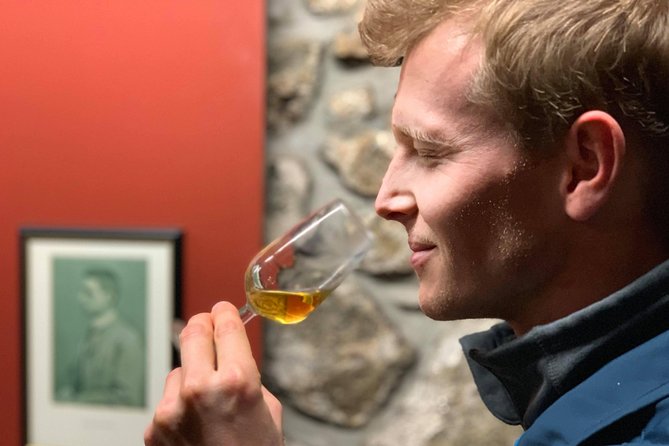
This tour includes 3 nights of accommodation with breakfast. That matters because you are not commuting every evening back to Edinburgh, and mornings are easier when breakfast is handled.
In at least one recent run, the group base was a B&B-style stay in Grantown on Spey area. Clean, welcoming rooms and breakfast as a proper start to the day are a big part of what makes the route feel relaxing rather than exhausting.
Pack for variable weather. Even if forecasts look gentle, Scotland can flip the script. Layers beat bulky coats, and a hat or sunscreen can be worth it if the day breaks sunny after a cold start.
How the tastings feel in real life (and how to handle them)
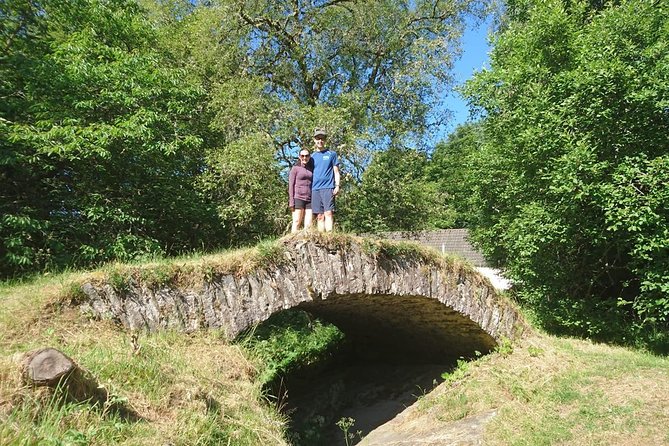
Across the route, expect tours and tastings as part of multiple stops, plus extra formats like blending and the Cardhu five-dram challenge. You’re likely to go home with a clearer sense of how whisky changes across regions and maturation choices.
Here’s how to enjoy it instead of just surviving it:
- Start each tasting with water and a few bites of food if you can. It improves clarity.
- Write quick notes right after each stop (even a few words). Your brain forgets fast.
- Take breaks when you feel your palate dulling. No one awards points for finishing everything.
Also, do not plan a night of heavy drinking after the tour day ends. The tastings are part of the experience, but the goal is to learn, not to wipe yourself out.
Group size and guide style: why it matters more than you think
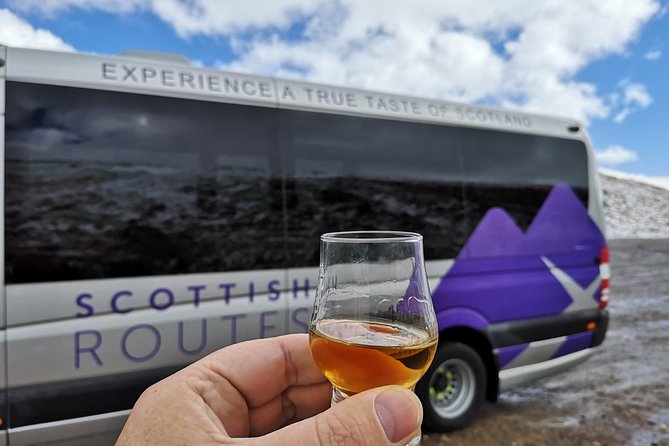
This tour keeps the group small, up to 16 travelers. That size helps with logistics, but it also changes the atmosphere during tastings. You’re more likely to hear the guide’s explanations without struggling through loud noise, and you can ask follow-up questions.
The guide-driver role seems to be a centerpiece. On recent departures, the humor and storytelling angle has included names like Rory (including the Rory the Bruce nickname), Jamie, Nick, and Moray. That kind of guide energy can turn a long coach day into something you look forward to.
One neat plus: some guides have also found ways to add extra distillery stops during the route. That is not guaranteed, but it’s a sign you’re in a tour setup where the guide is paying attention and trying to maximize time.
Who should book this whisky tour (and who should skip it)
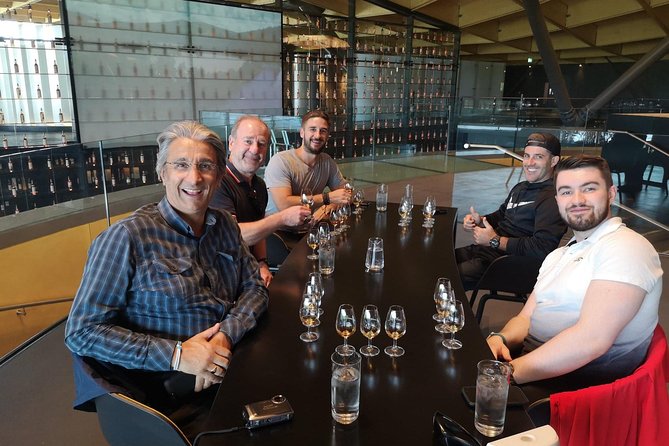
You’ll get the most out of this if:
- you want to learn whisky by tasting and comparing
- you’re okay with a packed schedule and coach time
- you like both classic distilleries and more craft-forward stops like cooperage and blending
You might want a different option if:
- you prefer very slow travel with just one or two visits per day
- you dislike structured tasting formats like a multi-dram challenge
- you want a trip that is more about scenery and less about production details
Should you book the 4 Day Speyside & Highlands Whisky Tour from Edinburgh?
I think it’s a strong choice if you want a guided whisky education with lodging and admissions handled. The value comes from bundling 3 nights with breakfast, multiple distillery tours, and hands-on learning moments like the cooperage and blending.
Book it if you’re excited to compare styles across Speyside and into the Highlands, and you like the idea of a group that stays small enough for real conversation.
Skip it if you hate tasting-heavy days or you want downtime that is truly unstructured. Otherwise, this is one of the more satisfying ways to build whisky knowledge quickly while still getting the fun of travel between towns and distilleries.
FAQ
How long is the Speyside & Highlands whisky tour?
It is listed as approximately 3 days 11 hours, even though it is marketed as a 4-day tour.
Where do you meet in Edinburgh?
The start point is the Loch Ness Discovery Centre, 192 High St, Edinburgh EH1 1RW, UK.
What time does the tour start?
The start time is 8:15 am, and the tour ends back at the meeting point.
How many people are in the group?
The tour has a maximum of 16 travelers.
What’s included in the price?
The tour includes distillery and tasting experiences (with admission tickets included), plus 3 nights’ accommodation with breakfast.
Which distilleries and stops are included?
Stops include Lindores Abbey, Arbikie, The Glendronach, Strathisla, Speyside Cooperage Visitor Centre, GlenAllachie, Cardhu, Glenlivet, and Blair Athol, along with the tour start/check-in.
Is the tour appropriate for whisky beginners?
Most travelers can participate, and the experience includes structured tastings and guided learning (including activities like the Cardhu tasting challenge).
Is there a cancellation/refund option?
This experience is non-refundable and cannot be changed for any reason. If the minimum number of travelers is not met and the tour is canceled, you’ll be offered a different date or a full refund.
If you want, tell me when you’re going and what styles you like (sherry-cask, lighter Speyside, peaty Highands, etc.). I can suggest what to pay the most attention to during the tastings on this route.